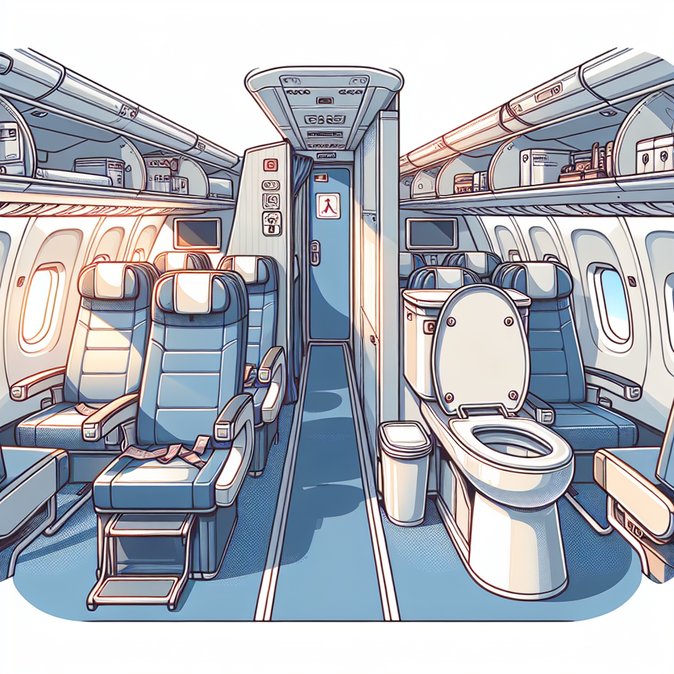
Qantas has delivered its fourth Airbus A321XLR—christened “Bibbulmun Track”—with a crucial cabin modification: a third economy-class toilet. The change improves the economy passenger-to-lavatory ratio from 1:90 on the first three jets to a more industry-standard 1:59. Those earlier aircraft will be retrofitted during heavy maintenance, the airline confirmed. (theaustralian.com.au)
The toilet saga had become a lightning-rod for customer frustration and crew-workload complaints as the long-range narrow-body began operating five-hour transcontinental sectors. By addressing it, CEO Vanessa Hudson signals a willingness to reverse design decisions made under former CEO Alan Joyce in order to protect the brand ahead of Project Sunrise ultra-long-haul launches.
For Australians booking new routes or re-routed services, keeping travel documents in order is just as critical as snagging the right seat. VisaHQ can help by simplifying visa applications for more than 200 countries, providing digital forms, expert review and express processing from its Australia portal (https://www.visahq.com/australia/). Having that administrative side sorted means travellers can focus on enjoying Qantas’s upgraded cabins instead of wrestling with consulate queues.
![Qantas fixes infamous A321XLR ‘loo ratio’ as fleet renewal gathers pace]()
“Bibbulmun Track” enters service in February and is the first of three additional A321XLRs due before mid-2026. In parallel, Qantas will refurbish 42 of its youngest Boeing 737-800s and several A330-200s in Brisbane, installing new economy seats modelled on Sunrise A350s. Jetstar’s 787-8s are also getting larger business-class cabins and crew-rest modules to support flights up to 17 hours.
For travel-programme managers the message is twofold: capacity on key domestic trunk routes will increase, but seat maps—and therefore preferred-seat algorithms—will shift as retrofits roll through. Meanwhile the incremental A321XLR deliveries open possibilities for thinner international services out of secondary airports once Western Sydney International opens in 2027.
Operational reliability, however, will depend on how quickly Qantas can replace older airframes rather than merely refresh interiors—a point industry analysts continue to flag for contingency planners.
The toilet saga had become a lightning-rod for customer frustration and crew-workload complaints as the long-range narrow-body began operating five-hour transcontinental sectors. By addressing it, CEO Vanessa Hudson signals a willingness to reverse design decisions made under former CEO Alan Joyce in order to protect the brand ahead of Project Sunrise ultra-long-haul launches.
For Australians booking new routes or re-routed services, keeping travel documents in order is just as critical as snagging the right seat. VisaHQ can help by simplifying visa applications for more than 200 countries, providing digital forms, expert review and express processing from its Australia portal (https://www.visahq.com/australia/). Having that administrative side sorted means travellers can focus on enjoying Qantas’s upgraded cabins instead of wrestling with consulate queues.

“Bibbulmun Track” enters service in February and is the first of three additional A321XLRs due before mid-2026. In parallel, Qantas will refurbish 42 of its youngest Boeing 737-800s and several A330-200s in Brisbane, installing new economy seats modelled on Sunrise A350s. Jetstar’s 787-8s are also getting larger business-class cabins and crew-rest modules to support flights up to 17 hours.
For travel-programme managers the message is twofold: capacity on key domestic trunk routes will increase, but seat maps—and therefore preferred-seat algorithms—will shift as retrofits roll through. Meanwhile the incremental A321XLR deliveries open possibilities for thinner international services out of secondary airports once Western Sydney International opens in 2027.
Operational reliability, however, will depend on how quickly Qantas can replace older airframes rather than merely refresh interiors—a point industry analysts continue to flag for contingency planners.