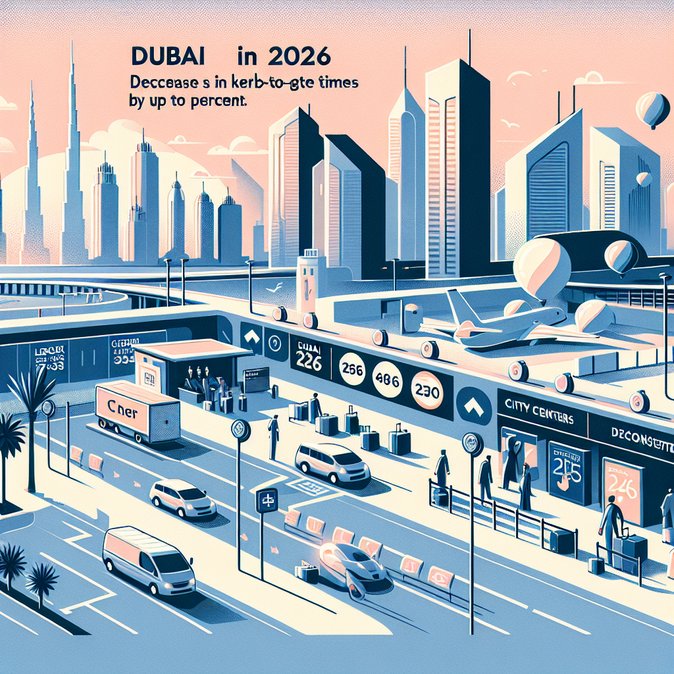
Following air-traffic disruptions over parts of Iran and Iraq earlier this week, Dubai Airports and leading carriers have reassured travellers that both Dubai International (DXB) and Al Maktoum International (DWC) are operating normally. As of 28 January 2026, some airlines are flying longer southern corridors to avoid restricted zones, leading to minor schedule adjustments but no widespread cancellations.
Emirates, flydubai and Etihad say average block times on Europe-bound services have increased by 10–15 minutes, and they are proactively re-timing inbound crews to keep connections within legal rest limits. Travellers are urged to monitor airline apps and allow extra transit buffers, especially if connecting to onward Gulf Cooperation Council flights.
Dutch carrier KLM temporarily paused DXB services on 24 January but is expected to resume operations once risk assessments align with EU directives. Insurance advisors note that most corporate travel policies treat the reroutes as ‘operational delays’, meaning standard duty-of-care protocols apply without triggering force-majeure clauses.
![Dubai Airspace Remains Open Amid Regional Reroutes; Authorities Advise Extra Flight-Time Buffer]()
Whether you’re rescheduling a business trip or extending a stopover to accommodate the new flight paths, VisaHQ can streamline any last-minute visa needs. Their online platform (https://www.visahq.com/united-arab-emirates/) covers applications for the UAE and dozens of onward destinations, letting travellers file forms, upload documents and track approvals in real time—an easy way to avoid paperwork headaches while airlines fine-tune timetables.
Mobility managers with tight relocation schedules—such as visa-renewal runs or end-of-service exits—should build contingency windows into ticketing. The General Directorate of Residency and Foreigners Affairs (GDRFA) has clarified that exit-visa validity will be honoured if travellers miss flights due to airline-initiated rebooking.
Dubai’s smart-gate border system continues to process arriving passengers in under six minutes, limiting knock-on queues despite shifted arrival waves.
Emirates, flydubai and Etihad say average block times on Europe-bound services have increased by 10–15 minutes, and they are proactively re-timing inbound crews to keep connections within legal rest limits. Travellers are urged to monitor airline apps and allow extra transit buffers, especially if connecting to onward Gulf Cooperation Council flights.
Dutch carrier KLM temporarily paused DXB services on 24 January but is expected to resume operations once risk assessments align with EU directives. Insurance advisors note that most corporate travel policies treat the reroutes as ‘operational delays’, meaning standard duty-of-care protocols apply without triggering force-majeure clauses.
Whether you’re rescheduling a business trip or extending a stopover to accommodate the new flight paths, VisaHQ can streamline any last-minute visa needs. Their online platform (https://www.visahq.com/united-arab-emirates/) covers applications for the UAE and dozens of onward destinations, letting travellers file forms, upload documents and track approvals in real time—an easy way to avoid paperwork headaches while airlines fine-tune timetables.
Mobility managers with tight relocation schedules—such as visa-renewal runs or end-of-service exits—should build contingency windows into ticketing. The General Directorate of Residency and Foreigners Affairs (GDRFA) has clarified that exit-visa validity will be honoured if travellers miss flights due to airline-initiated rebooking.
Dubai’s smart-gate border system continues to process arriving passengers in under six minutes, limiting knock-on queues despite shifted arrival waves.