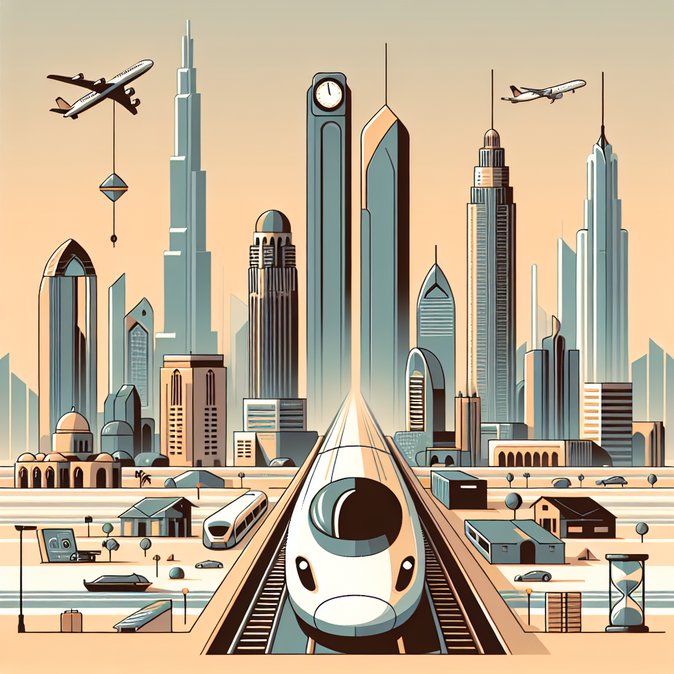
Etihad Rail—the 900-km national railway billed as the Gulf’s answer to Europe’s high-speed networks—has entered its final pre-launch phase. Senior executives told Condé Nast Traveler yesterday that passenger operations linking Abu Dhabi, Dubai and Fujairah will begin “later this year”, with full inter-emirate coverage to follow in stages through 2026. (cntraveler.com)
The initial spine will connect Mohammed bin Zayed City in the capital to Jumeirah Golf Estates in Dubai before continuing east to Fujairah’s Al Hilal district. Standard trains will run at 200 km/h and cut the Abu Dhabi–Dubai journey to 57 minutes—half today’s typical drive time. A separate high-speed line capable of 350 km/h is still in development and promises a 30-minute dash between the two cities once commissioned. (cntraveler.com)
For international staff heading to site visits or longer assignments along the new corridor, entry formalities remain a key planning step. VisaHQ’s UAE portal (https://www.visahq.com/united-arab-emirates/) streamlines everything from single-entry tourist visas for quick route-recce trips to multi-year residency permits for rail project secondees, letting mobility teams file, track, and amend applications in one place—crucial as Etihad Rail shrinks travel times between emirates but not the paperwork.
![Countdown to Etihad Rail: UAE confirms first passenger services will roll out in 2026]()
For global mobility managers, the rail project is more than an infrastructure headline. Multinationals with offices scattered across different emirates will be able to treat the country as a single labour market: daily commuting between Abu Dhabi, Dubai and Sharjah becomes realistic, reducing reliance on costly corporate shuttle services and housing allowances tied to one city. (cntraveler.com)
Cargo operations have been running since 2023, but adding passenger capacity should relieve pressure on the UAE’s busy motorway network and DXB’s short-haul air shuttles. Officials estimate annual CO₂ savings of 8.2 million t once the network is fully functional—an increasingly important metric for ESG-conscious companies tracking business-travel emissions. (cntraveler.com)
Ticketing will be digital-first and is expected to integrate with Dubai’s nol smart-card system, meaning visiting executives could tap the same wallet across metro, tram, bus and inter-city rail. Class segmentation (First, Business, Economy) mirrors airline cabins, with a luxury rail-cruise product in partnership with Italy’s Arsenale catering to MICE groups and high-net-worth tourists. Companies planning conferences for late 2026 should monitor the phased opening schedule when locking venues and delegate logistics. (cntraveler.com)
The initial spine will connect Mohammed bin Zayed City in the capital to Jumeirah Golf Estates in Dubai before continuing east to Fujairah’s Al Hilal district. Standard trains will run at 200 km/h and cut the Abu Dhabi–Dubai journey to 57 minutes—half today’s typical drive time. A separate high-speed line capable of 350 km/h is still in development and promises a 30-minute dash between the two cities once commissioned. (cntraveler.com)
For international staff heading to site visits or longer assignments along the new corridor, entry formalities remain a key planning step. VisaHQ’s UAE portal (https://www.visahq.com/united-arab-emirates/) streamlines everything from single-entry tourist visas for quick route-recce trips to multi-year residency permits for rail project secondees, letting mobility teams file, track, and amend applications in one place—crucial as Etihad Rail shrinks travel times between emirates but not the paperwork.
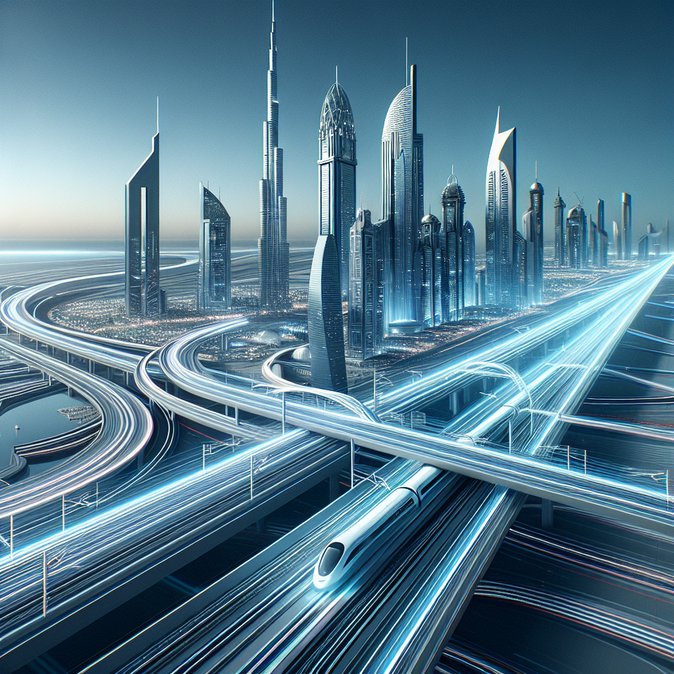
For global mobility managers, the rail project is more than an infrastructure headline. Multinationals with offices scattered across different emirates will be able to treat the country as a single labour market: daily commuting between Abu Dhabi, Dubai and Sharjah becomes realistic, reducing reliance on costly corporate shuttle services and housing allowances tied to one city. (cntraveler.com)
Cargo operations have been running since 2023, but adding passenger capacity should relieve pressure on the UAE’s busy motorway network and DXB’s short-haul air shuttles. Officials estimate annual CO₂ savings of 8.2 million t once the network is fully functional—an increasingly important metric for ESG-conscious companies tracking business-travel emissions. (cntraveler.com)
Ticketing will be digital-first and is expected to integrate with Dubai’s nol smart-card system, meaning visiting executives could tap the same wallet across metro, tram, bus and inter-city rail. Class segmentation (First, Business, Economy) mirrors airline cabins, with a luxury rail-cruise product in partnership with Italy’s Arsenale catering to MICE groups and high-net-worth tourists. Companies planning conferences for late 2026 should monitor the phased opening schedule when locking venues and delegate logistics. (cntraveler.com)