The Federal Department of Defence, Civil Protection and Sport (DDPS) quietly published a notice on 26 January 2026 announcing that the national customs tariff—known as “Tares”—will be revised with effect from 1 February. Although the change mainly concerns goods classification, it carries practical implications for corporate relocation shipments, hand-carried professional equipment and travellers importing high-value items.
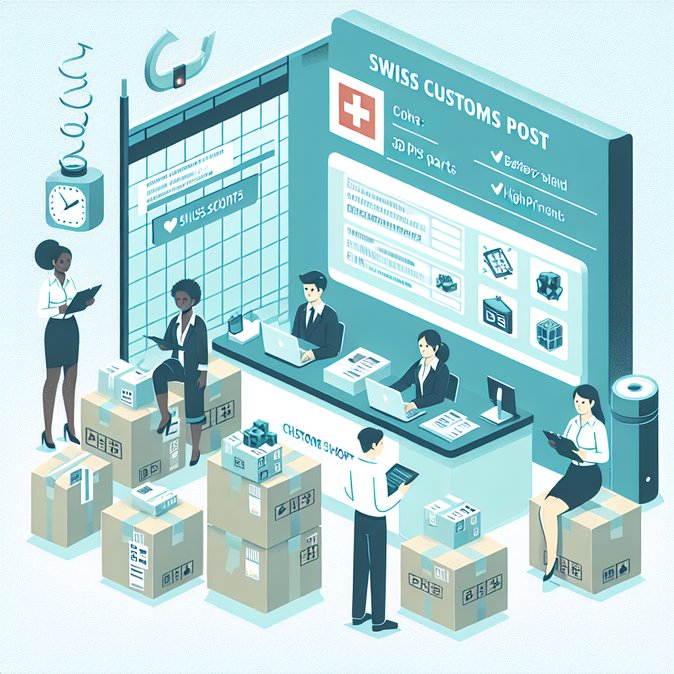
The update aligns Swiss tariff codes with the 2026 edition of the World Customs Organization’s Harmonised System and the EU’s Combined Nomenclature amendments that entered force on 1 January. Key modifications include new sub-headings for lithium-ion battery packs, 3-D-printed metal parts and smart-textile components—common contents of R&D consignments and personal effects for tech employees moving to Switzerland.
Beyond changes in customs classification, assignees still need to secure the right to enter and stay in Switzerland. VisaHQ’s Switzerland portal (https://www.visahq.com/switzerland/) streamlines visa and residence-permit applications by offering step-by-step guidance, document checks and courier options, easing the administrative load on HR teams that are simultaneously adapting to the new tariff codes.
![Swiss Customs Tariff (Tares) to Be Updated on 1 February 2026]()
Mobility managers should ensure that freight forwarders, relocation partners and assignees use the revised codes to avoid clearance delays or post-entry penalties. For household goods valued below CHF 5 000 the impact is minimal, but commercial samples and dual-use equipment may face extra documentary checks until customs officers familiarise themselves with the new numbering.
The Federal Office for Customs and Border Security (FOCBS) will update its eTares declaration platform this weekend. Brokers have been advised to submit advance filings before 30 January where possible and to download the 700-page correlation table that maps old to new codes. Cantonal customs posts report no staffing changes; however, short-term queues at the main road crossings around Basel-Weil and Chiasso are possible on 1–2 February while systems synchronise.
Although less headline-grabbing than visa caps or asylum statistics, tariff renewals form part of the broader compliance landscape for internationally mobile businesses. Companies relocating laboratory assets or demo equipment should revisit cost estimates, as duty exemptions tied to specific HS codes may shift. FOCBS will host a webinar for trade-compliance and mobility professionals on 5 February to walk through the principal alterations.
The update aligns Swiss tariff codes with the 2026 edition of the World Customs Organization’s Harmonised System and the EU’s Combined Nomenclature amendments that entered force on 1 January. Key modifications include new sub-headings for lithium-ion battery packs, 3-D-printed metal parts and smart-textile components—common contents of R&D consignments and personal effects for tech employees moving to Switzerland.
Beyond changes in customs classification, assignees still need to secure the right to enter and stay in Switzerland. VisaHQ’s Switzerland portal (https://www.visahq.com/switzerland/) streamlines visa and residence-permit applications by offering step-by-step guidance, document checks and courier options, easing the administrative load on HR teams that are simultaneously adapting to the new tariff codes.
Mobility managers should ensure that freight forwarders, relocation partners and assignees use the revised codes to avoid clearance delays or post-entry penalties. For household goods valued below CHF 5 000 the impact is minimal, but commercial samples and dual-use equipment may face extra documentary checks until customs officers familiarise themselves with the new numbering.
The Federal Office for Customs and Border Security (FOCBS) will update its eTares declaration platform this weekend. Brokers have been advised to submit advance filings before 30 January where possible and to download the 700-page correlation table that maps old to new codes. Cantonal customs posts report no staffing changes; however, short-term queues at the main road crossings around Basel-Weil and Chiasso are possible on 1–2 February while systems synchronise.
Although less headline-grabbing than visa caps or asylum statistics, tariff renewals form part of the broader compliance landscape for internationally mobile businesses. Companies relocating laboratory assets or demo equipment should revisit cost estimates, as duty exemptions tied to specific HS codes may shift. FOCBS will host a webinar for trade-compliance and mobility professionals on 5 February to walk through the principal alterations.