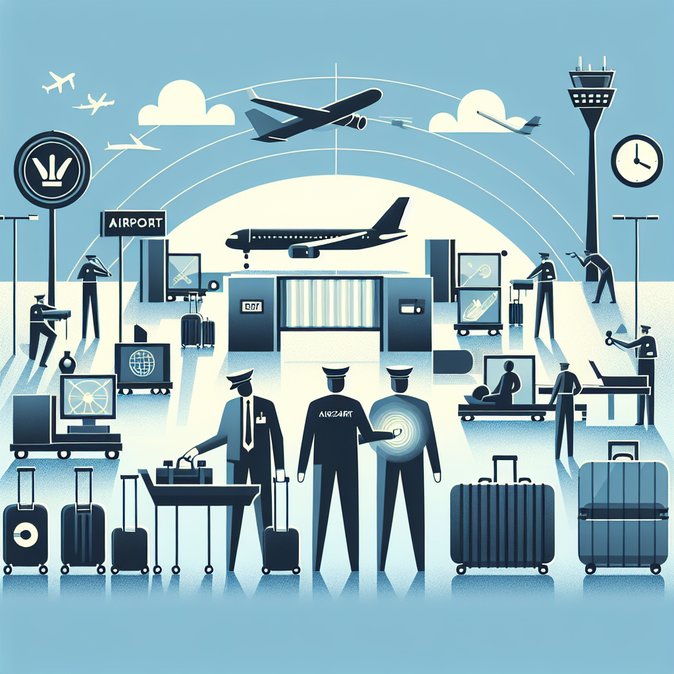
Australian Border Force officers have seized 96 kilograms of high-grade heroin hidden in the luggage of two Sydney men who arrived on a China-Southern flight from Guangzhou late on 26 January. The interception—worth an estimated AUD 32 million—came after a routine X-ray flagged anomalies in laptop bags and pencil cases.
The bust highlights ABF’s increasingly data-driven approach at international airports. Passenger Advance Information flagged the travellers for secondary inspection because of their short itinerary, minimal checked baggage and recent trips to a known drug-transit hub. The two men, aged 27 and 25, were charged with importing a commercial quantity of a border-controlled drug and faced Brisbane Magistrates Court this morning.
Why it matters for mobility teams: 1) Heightened baggage screening can lengthen arrivals processing times for all passengers on flights from high-risk ports; managers should allow extra layover buffers for crew changes and tight domestic connections. 2) Corporate travellers may see more random checks of electronic items—ABF has reminded passengers that tampering with baggage tamper-evident seals is an offence.
![$32 Million Heroin Haul Stopped at Brisbane Airport After ABF Screening]()
Wider context: The seizure follows January’s joint AFP/ABF directive prioritising inbound flights from East Asia after a 40 % jump in drug-courier interceptions in 2025. Canberra has allocated an extra AUD 48 million for airport scanners and canine units in the 2026–27 Budget, with Brisbane the first to receive upgraded CT scanners.
How VisaHQ can help: Mobility managers juggling Australia’s tightening border controls can streamline visa applications, ETA requests and real-time compliance alerts through VisaHQ’s dedicated portal (https://www.visahq.com/australia/). A central dashboard lets teams track traveller status and receive automatic rule-change notifications, reducing itinerary disruptions when enhanced screening measures produce unforeseen delays.
Next steps: The case will test new proceeds-of-crime amendments allowing authorities to freeze crypto assets linked to narcotics imports. Mobility compliance teams should brief assignees transiting Brisbane or Sydney on potential delays and ensure they carry employer letters explaining any specialised tools or samples in checked baggage.
The bust highlights ABF’s increasingly data-driven approach at international airports. Passenger Advance Information flagged the travellers for secondary inspection because of their short itinerary, minimal checked baggage and recent trips to a known drug-transit hub. The two men, aged 27 and 25, were charged with importing a commercial quantity of a border-controlled drug and faced Brisbane Magistrates Court this morning.
Why it matters for mobility teams: 1) Heightened baggage screening can lengthen arrivals processing times for all passengers on flights from high-risk ports; managers should allow extra layover buffers for crew changes and tight domestic connections. 2) Corporate travellers may see more random checks of electronic items—ABF has reminded passengers that tampering with baggage tamper-evident seals is an offence.
Wider context: The seizure follows January’s joint AFP/ABF directive prioritising inbound flights from East Asia after a 40 % jump in drug-courier interceptions in 2025. Canberra has allocated an extra AUD 48 million for airport scanners and canine units in the 2026–27 Budget, with Brisbane the first to receive upgraded CT scanners.
How VisaHQ can help: Mobility managers juggling Australia’s tightening border controls can streamline visa applications, ETA requests and real-time compliance alerts through VisaHQ’s dedicated portal (https://www.visahq.com/australia/). A central dashboard lets teams track traveller status and receive automatic rule-change notifications, reducing itinerary disruptions when enhanced screening measures produce unforeseen delays.
Next steps: The case will test new proceeds-of-crime amendments allowing authorities to freeze crypto assets linked to narcotics imports. Mobility compliance teams should brief assignees transiting Brisbane or Sydney on potential delays and ensure they carry employer letters explaining any specialised tools or samples in checked baggage.