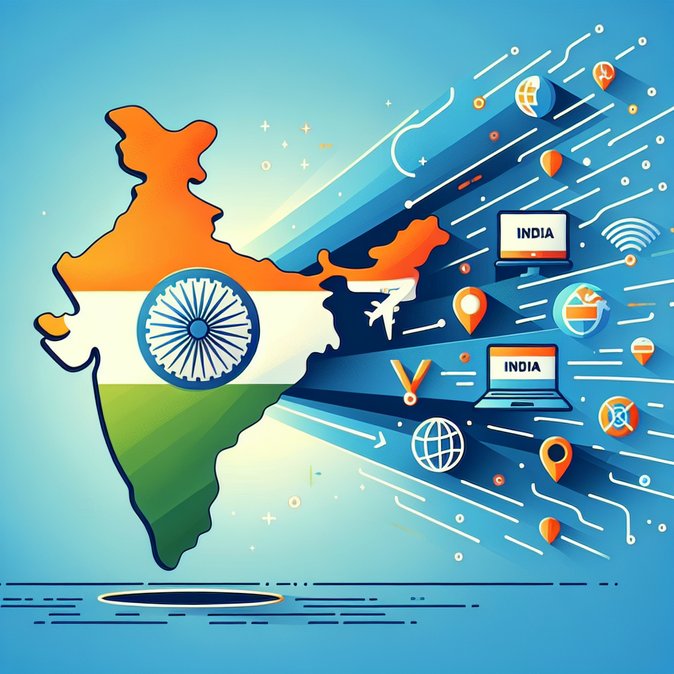
In a quiet update posted late on 25 January and confirmed on 26 January 2026, India’s Ministry of Tourism widened the e-Tourist Visa (e-TV) programme to 166 nationalities, up from 157 last year. New entrants include Kenya, Algeria, Fiji, Uruguay, Armenia and North Macedonia, all of which are important sourcing, energy-sector or emerging-market partners for Indian companies.
The e-TV remains a fully online process: travellers apply on the government portal, upload a passport scan and photograph, pay the fee by card and, in most cases, receive an electronic travel authorisation within 72 hours. The permit allows double entry and a stay of up to 30 days for tourism, conferences and short business meetings. Holders can upgrade to a 90-day validity under business or medical sub-categories after arrival by visiting a Foreigners Regional Registration Office (FRRO).
For travellers or corporates that prefer a single window for documentation checks and status tracking, VisaHQ can take over the entire application workflow. Its India portal (https://www.visahq.com/india/) aggregates the latest eligibility list, fee structures and photo guidelines, and its team reviews every file before submission—cutting down on rejections and freeing HR or travel managers to focus on trip planning instead of paperwork.
![India Expands e-Tourist Visa Scheme to 166 Countries, Bolstering Business Travel]()
For multinationals headquartered in India—as well as overseas firms sending staff to India for brief assignments—the expansion is more than symbolic. It eliminates the need for paper applications at Indian missions in nine additional countries and reduces lead time for last-minute trips, a longstanding pain point for procurement and sales teams. Companies that rely on African or Latin American suppliers will now be able to fly in quality-control engineers or negotiate contracts without navigating a consular backlog.
The move also signals India’s intention to use digital tools to compete with rival hubs in Southeast Asia and the Gulf that already offer streamlined e-visa regimes. According to Tourism Ministry data, e-TV arrivals grew 34 percent year-on-year in 2025, with 28 percent of users entering on a “business” or “conference” purpose code—evidence that the scheme has quietly become a business-mobility facilitator as well as a tourist draw.
Companies should update travel policies to reflect the new list and remind assignees that the e-TV cannot be converted into a work visa or extended beyond 30 days unless the trip falls under the specific 90-day business upgrade. Frequent travellers who need longer stays must still apply for a regular Business (B) visa at an Indian mission.
The e-TV remains a fully online process: travellers apply on the government portal, upload a passport scan and photograph, pay the fee by card and, in most cases, receive an electronic travel authorisation within 72 hours. The permit allows double entry and a stay of up to 30 days for tourism, conferences and short business meetings. Holders can upgrade to a 90-day validity under business or medical sub-categories after arrival by visiting a Foreigners Regional Registration Office (FRRO).
For travellers or corporates that prefer a single window for documentation checks and status tracking, VisaHQ can take over the entire application workflow. Its India portal (https://www.visahq.com/india/) aggregates the latest eligibility list, fee structures and photo guidelines, and its team reviews every file before submission—cutting down on rejections and freeing HR or travel managers to focus on trip planning instead of paperwork.

For multinationals headquartered in India—as well as overseas firms sending staff to India for brief assignments—the expansion is more than symbolic. It eliminates the need for paper applications at Indian missions in nine additional countries and reduces lead time for last-minute trips, a longstanding pain point for procurement and sales teams. Companies that rely on African or Latin American suppliers will now be able to fly in quality-control engineers or negotiate contracts without navigating a consular backlog.
The move also signals India’s intention to use digital tools to compete with rival hubs in Southeast Asia and the Gulf that already offer streamlined e-visa regimes. According to Tourism Ministry data, e-TV arrivals grew 34 percent year-on-year in 2025, with 28 percent of users entering on a “business” or “conference” purpose code—evidence that the scheme has quietly become a business-mobility facilitator as well as a tourist draw.
Companies should update travel policies to reflect the new list and remind assignees that the e-TV cannot be converted into a work visa or extended beyond 30 days unless the trip falls under the specific 90-day business upgrade. Frequent travellers who need longer stays must still apply for a regular Business (B) visa at an Indian mission.