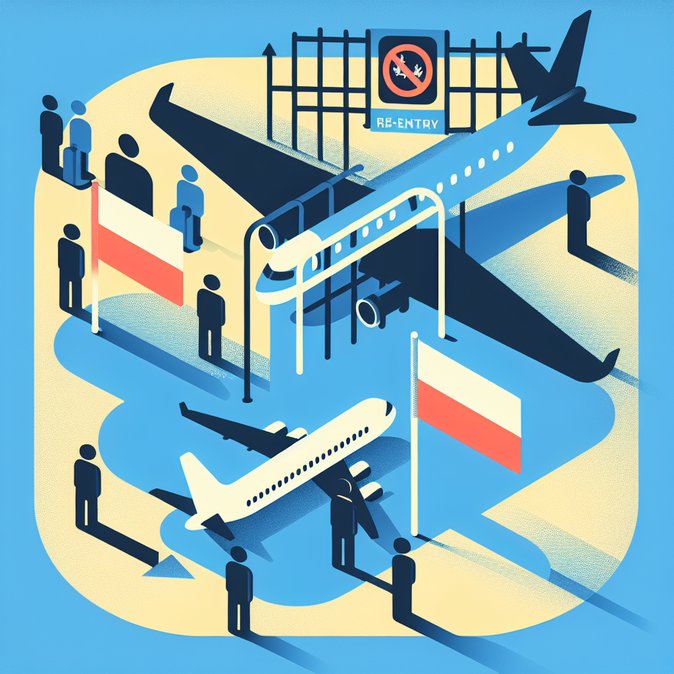
The Department of Justice confirmed late on 25 January that a specially chartered aircraft has repatriated 33 EU citizens—17 Poles and 16 Lithuanians—who had all served custodial sentences in Ireland. The removals were carried out under Article 27 of Directive 2004/38/EC (the Free Movement Directive), which allows EU nationals to be expelled on public-security grounds. Re-entry bans of up to ten years have been imposed.
The group, comprising 31 men and two women aged between 22 and 62, had been convicted of offences ranging from aggravated burglary to serious assault. Garda National Immigration Bureau (GNIB) officers escorted the deportees to a secure airfield before departure. Justice Minister Jim O’Callaghan said the operation shows that “EU free movement is not a licence for criminality” and pledged to step up enforcement resources in 2026.
For multinational companies the message is that compliance monitoring remains critical even for EU staff who do not require employment permits. HR teams are advised to run periodic right-to-work audits and to track the status of employees with criminal convictions, as an expulsion order automatically invalidates any Stamp 4 or residence permission.
![Ireland removes 33 Polish and Lithuanian nationals in charter deportation flight]()
The Charter Removal Flight also provides a glimpse of Ireland’s increasing use of collective expulsions—56 people were returned in all of 2025, so the 2026 programme is on track for higher volumes. GNIB sources indicate that further flights targeting serious offenders from Romania and Latvia are planned for Q2.
Companies or individuals looking for guidance on how these developments might affect future travel and residence rights can turn to VisaHQ for practical assistance. From pre-arrival background checks to managing appeal timelines and replacement permissions, VisaHQ’s Irish service team offers streamlined online support and real-time status tracking: https://www.visahq.com/ireland/
Employers sponsoring intra-EU moves should build in pre-arrival background checks and ensure that any convictions are disclosed early; failure to do so can trigger a visa refusal for non-EEA dependants and complicate future rota assignments.
The group, comprising 31 men and two women aged between 22 and 62, had been convicted of offences ranging from aggravated burglary to serious assault. Garda National Immigration Bureau (GNIB) officers escorted the deportees to a secure airfield before departure. Justice Minister Jim O’Callaghan said the operation shows that “EU free movement is not a licence for criminality” and pledged to step up enforcement resources in 2026.
For multinational companies the message is that compliance monitoring remains critical even for EU staff who do not require employment permits. HR teams are advised to run periodic right-to-work audits and to track the status of employees with criminal convictions, as an expulsion order automatically invalidates any Stamp 4 or residence permission.

The Charter Removal Flight also provides a glimpse of Ireland’s increasing use of collective expulsions—56 people were returned in all of 2025, so the 2026 programme is on track for higher volumes. GNIB sources indicate that further flights targeting serious offenders from Romania and Latvia are planned for Q2.
Companies or individuals looking for guidance on how these developments might affect future travel and residence rights can turn to VisaHQ for practical assistance. From pre-arrival background checks to managing appeal timelines and replacement permissions, VisaHQ’s Irish service team offers streamlined online support and real-time status tracking: https://www.visahq.com/ireland/
Employers sponsoring intra-EU moves should build in pre-arrival background checks and ensure that any convictions are disclosed early; failure to do so can trigger a visa refusal for non-EEA dependants and complicate future rota assignments.