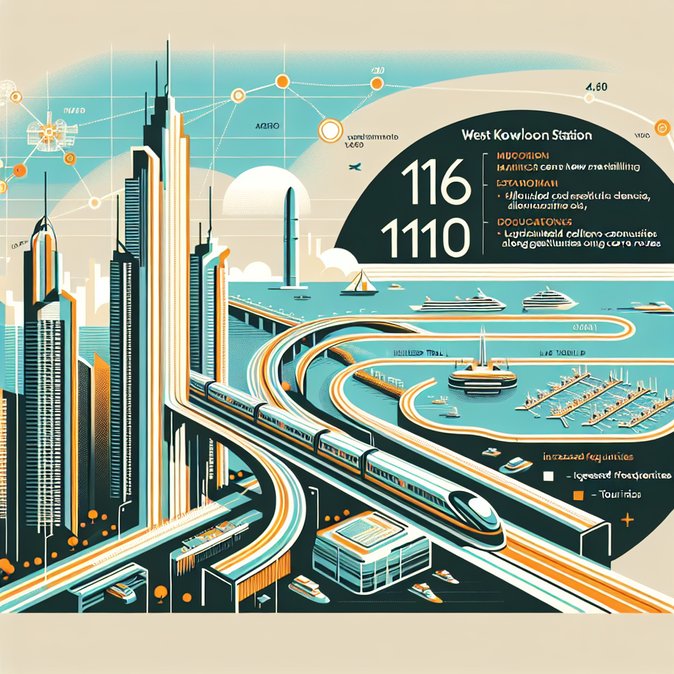
Hong Kong’s West Kowloon Station was in celebratory mood on Monday as the city’s high-speed rail link added 16 new mainland destinations – the largest single expansion since the line opened in 2018. Passengers boarded inaugural trains to Nanjing, Wuxi, Hefei, Xiamen, Fuzhou and a dozen other cities, bringing the network’s direct reach to 110 stations across 19 provinces.
MTR Corporation, which operates the Hong Kong section, said the timetable upgrade was timed to capture the impending Spring Festival peak. It also upgrades the Shanghai Hongqiao sleeper service from weekends to a nightly departure, while frequencies on the core Guangzhou South and Chaoshan corridors are being lifted. To mark the launch MTR partnered with tour operator Big Line International to run a 400-seat ‘discovery’ charter; demand was so strong that additional packages were released within hours. Travel agencies report a surge in enquiries from corporate teams keen to combine factory visits in the Yangtze River Delta with leisure stops in neighbouring heritage cities.
For travellers keen to take advantage of these new rail links, VisaHQ can help streamline the necessary visa arrangements. The online platform (https://www.visahq.com/china/) offers step-by-step application guidance, real-time status updates, and expedited processing options for China visas as well as Hong Kong travel documents—making it easier to hop on a high-speed train at short notice.
![Hong Kong high-speed rail connects to 16 new mainland cities as services start]()
Transport Secretary Mable Chan called the milestone a “double 100 million moment” – a nod to the fact that both the high-speed rail and the HZMB have now each carried more than 100 million passengers. She said the broader network would “unlock service-led growth” by giving Hong Kong professionals day-return access to more mainland markets. Analysts expect the new links to divert some short-haul air traffic and long-distance coach services, lowering door-to-door travel times by up to four hours in some cases.
For businesses the implications are tangible: easier recruitment of mainland talent willing to commute weekly, faster field-service dispatch to satellite plants, and fresh weekend-away options that aid expatriate retention. MTR sweetened the deal with time-limited promotions – including buy-one-get-one-free Futian tickets – that can bring a Shenzhen meeting down to the price of a coffee. Digital ticketing, long hampered by cross-border payment issues, now supports Alipay+, WeChat Pay HK and most major credit cards, removing another barrier for foreign visitors.
Tourism officials hope the extended network will help disperse visitors beyond traditional hotspots, taking pressure off Hong Kong’s urban core while injecting spending into second-tier mainland cities. With sleeper trains poised for an upgrade later in the year, the city is increasingly positioning itself as the southern gateway to China’s 45,000-kilometre high-speed rail grid.
MTR Corporation, which operates the Hong Kong section, said the timetable upgrade was timed to capture the impending Spring Festival peak. It also upgrades the Shanghai Hongqiao sleeper service from weekends to a nightly departure, while frequencies on the core Guangzhou South and Chaoshan corridors are being lifted. To mark the launch MTR partnered with tour operator Big Line International to run a 400-seat ‘discovery’ charter; demand was so strong that additional packages were released within hours. Travel agencies report a surge in enquiries from corporate teams keen to combine factory visits in the Yangtze River Delta with leisure stops in neighbouring heritage cities.
For travellers keen to take advantage of these new rail links, VisaHQ can help streamline the necessary visa arrangements. The online platform (https://www.visahq.com/china/) offers step-by-step application guidance, real-time status updates, and expedited processing options for China visas as well as Hong Kong travel documents—making it easier to hop on a high-speed train at short notice.

Transport Secretary Mable Chan called the milestone a “double 100 million moment” – a nod to the fact that both the high-speed rail and the HZMB have now each carried more than 100 million passengers. She said the broader network would “unlock service-led growth” by giving Hong Kong professionals day-return access to more mainland markets. Analysts expect the new links to divert some short-haul air traffic and long-distance coach services, lowering door-to-door travel times by up to four hours in some cases.
For businesses the implications are tangible: easier recruitment of mainland talent willing to commute weekly, faster field-service dispatch to satellite plants, and fresh weekend-away options that aid expatriate retention. MTR sweetened the deal with time-limited promotions – including buy-one-get-one-free Futian tickets – that can bring a Shenzhen meeting down to the price of a coffee. Digital ticketing, long hampered by cross-border payment issues, now supports Alipay+, WeChat Pay HK and most major credit cards, removing another barrier for foreign visitors.
Tourism officials hope the extended network will help disperse visitors beyond traditional hotspots, taking pressure off Hong Kong’s urban core while injecting spending into second-tier mainland cities. With sleeper trains poised for an upgrade later in the year, the city is increasingly positioning itself as the southern gateway to China’s 45,000-kilometre high-speed rail grid.