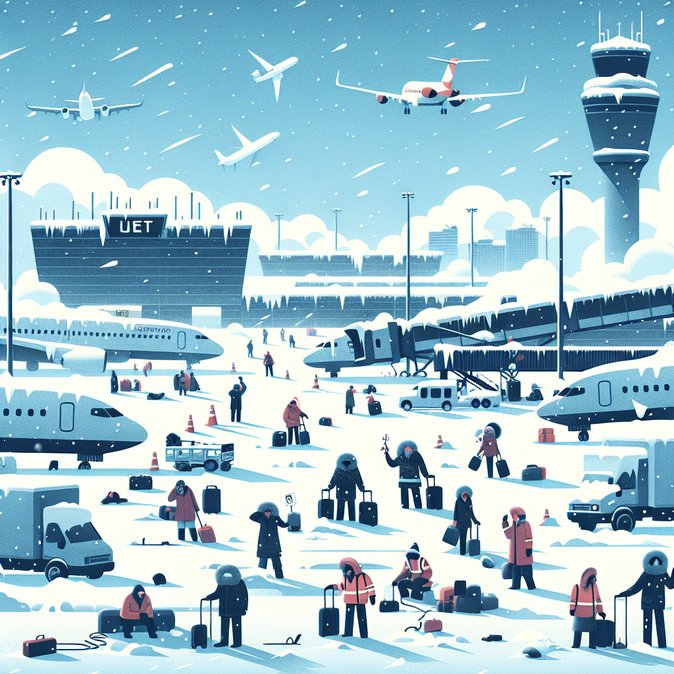
A brutal Arctic system dubbed Winter Storm Fern paralysed large swathes of the United States on 26 January, forcing airlines to cancel more than 4,800 flights and delay a further 13,200. Dallas–Fort Worth, Houston, and Austin airports bore the brunt, but knock-on effects quickly spread to West Coast hubs used by Qantas, United and Delta for Australia services. By late afternoon Sydney time, FlightAware data showed Qantas had proactively scrapped its QF11 Los Angeles–New York sector and retimed QF12’s return leg to avoid missed crew-duty windows. United cancelled its Houston–Sydney connection for 27 January, rerouting passengers through San Francisco.
Corporate travel managers with employees heading to CES spin-off conferences and Australia-linked mining roadshows in Denver reported widespread rebooking challenges as premium cabins sold out. Fare rules permitting free changes on affected dates have been extended through 30 January on most carriers, but some lowest-bucket N-class tickets still attract fare-difference surcharges once re-routed via Asia.
![US winter storm triggers 4,800 flight cancellations, rippling onto Australia–US itineraries]()
Should itinerary changes push travellers outside their visa validity—or force an unexpected stop in another country—VisaHQ’s online portal (https://www.visahq.com/australia/) can quickly check entry requirements and arrange expedited processing for Australian passport holders and foreign nationals alike. The service offers a valuable safety net when weather-related disruptions demand last-minute route changes.
Australian Border Force confirmed it will waive the usual 90-minute baggage-recheck cut-off for incoming transit passengers who miss domestic onward connections, provided airlines lodge manifests in advance. Mobility teams are urged to monitor crew-duty restrictions, which may cause last-minute cancellations even after flights are re-confirmed.
Travellers already in the US should also watch local weather alerts: the National Weather Service warns of further icing in Atlanta and Charlotte—key transit points for Qantas partner American Airlines—through Tuesday. Travel insurers such as Cover-More and Chubb have declared the storm a “known event”, meaning policies taken out after 24 January may not cover delays.
Corporate travel managers with employees heading to CES spin-off conferences and Australia-linked mining roadshows in Denver reported widespread rebooking challenges as premium cabins sold out. Fare rules permitting free changes on affected dates have been extended through 30 January on most carriers, but some lowest-bucket N-class tickets still attract fare-difference surcharges once re-routed via Asia.

Should itinerary changes push travellers outside their visa validity—or force an unexpected stop in another country—VisaHQ’s online portal (https://www.visahq.com/australia/) can quickly check entry requirements and arrange expedited processing for Australian passport holders and foreign nationals alike. The service offers a valuable safety net when weather-related disruptions demand last-minute route changes.
Australian Border Force confirmed it will waive the usual 90-minute baggage-recheck cut-off for incoming transit passengers who miss domestic onward connections, provided airlines lodge manifests in advance. Mobility teams are urged to monitor crew-duty restrictions, which may cause last-minute cancellations even after flights are re-confirmed.
Travellers already in the US should also watch local weather alerts: the National Weather Service warns of further icing in Atlanta and Charlotte—key transit points for Qantas partner American Airlines—through Tuesday. Travel insurers such as Cover-More and Chubb have declared the storm a “known event”, meaning policies taken out after 24 January may not cover delays.