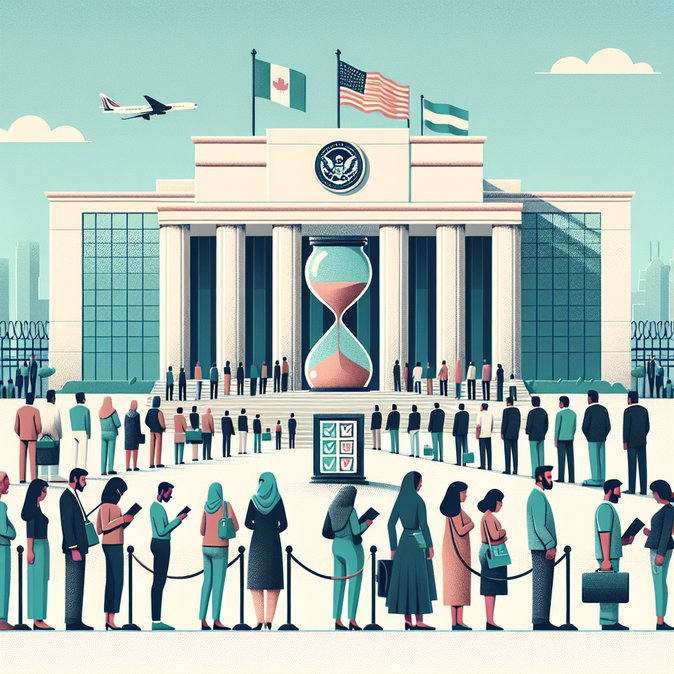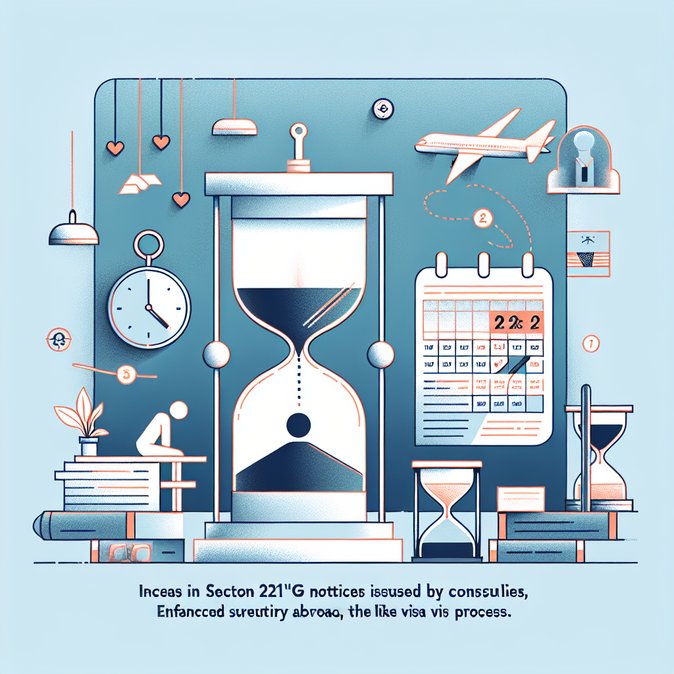
Indian professionals and tourists hoping to travel to the United States face a new—and often opaque—hurdle: enhanced social-media vetting. According to attorneys and visa-facilitation firms interviewed by the Times of India, consular officers have dramatically increased the use of section 221(g) “temporary refusal” notices since May 2025, when the State Department quietly expanded mandatory reviews of applicants’ online activity. On January 25 the paper reported that 221(g) issuance rates at U.S. missions in India have surged to their highest level in a decade, with some H-1B workers and B-1/B-2 visitors waiting months for additional background checks to clear. (timesofindia.indiatimes.com)
Under section 221(g) a case is neither approved nor denied; instead, it is put into “administrative processing” so officers can request police certificates, toxicology reports or detailed explanations of past social-media posts. Immigration lawyers say even applicants with multiple previous visas are being flagged if algorithms detect keywords deemed security-sensitive. Anecdotal evidence points to higher refusal rates for those who have ever been arrested—even for expunged offences—or who belong to large WhatsApp or Telegram groups.
For travelers who prefer professional help navigating these new complexities, VisaHQ offers end-to-end U.S. visa assistance: its specialists can pre-screen social-media disclosures, assemble supporting evidence and track 221(g) cases daily to minimize delays. Get started or learn more at https://www.visahq.com/united-states/
![Stricter Social-Media Screening Drives Spike in U.S. Visa Refusals for Indian Applicants]()
The delays have real business impact. India supplies more than 70 percent of H-1B talent, and many employees travel home annually for stamping. Prolonged processing traps workers abroad, derails client projects and triggers costly re-scheduling of flights and accommodation. Some U.S. firms now discourage non-essential travel or arrange “third-country” visa appointments—though those options are narrowing as interview-waiver policies tighten.
Employers should brief travellers to cleanse public social-media profiles of controversial content, gather documentary evidence (e.g., court dispositions, employment letters) in advance and allow at least eight weeks between a visa appointment and planned U.S. return dates. From a policy standpoint, the episode illustrates the growing tension between national-security screening and America’s need for high-skilled talent; unless processing times stabilise, companies may accelerate off-shoring to competing markets such as Canada and the U.K.
In the meantime, affected travellers can track their case status via the CEAC website, respond promptly to consular document requests and enlist congressional assistance if delays exceed 180 days.
Under section 221(g) a case is neither approved nor denied; instead, it is put into “administrative processing” so officers can request police certificates, toxicology reports or detailed explanations of past social-media posts. Immigration lawyers say even applicants with multiple previous visas are being flagged if algorithms detect keywords deemed security-sensitive. Anecdotal evidence points to higher refusal rates for those who have ever been arrested—even for expunged offences—or who belong to large WhatsApp or Telegram groups.
For travelers who prefer professional help navigating these new complexities, VisaHQ offers end-to-end U.S. visa assistance: its specialists can pre-screen social-media disclosures, assemble supporting evidence and track 221(g) cases daily to minimize delays. Get started or learn more at https://www.visahq.com/united-states/

The delays have real business impact. India supplies more than 70 percent of H-1B talent, and many employees travel home annually for stamping. Prolonged processing traps workers abroad, derails client projects and triggers costly re-scheduling of flights and accommodation. Some U.S. firms now discourage non-essential travel or arrange “third-country” visa appointments—though those options are narrowing as interview-waiver policies tighten.
Employers should brief travellers to cleanse public social-media profiles of controversial content, gather documentary evidence (e.g., court dispositions, employment letters) in advance and allow at least eight weeks between a visa appointment and planned U.S. return dates. From a policy standpoint, the episode illustrates the growing tension between national-security screening and America’s need for high-skilled talent; unless processing times stabilise, companies may accelerate off-shoring to competing markets such as Canada and the U.K.
In the meantime, affected travellers can track their case status via the CEAC website, respond promptly to consular document requests and enlist congressional assistance if delays exceed 180 days.