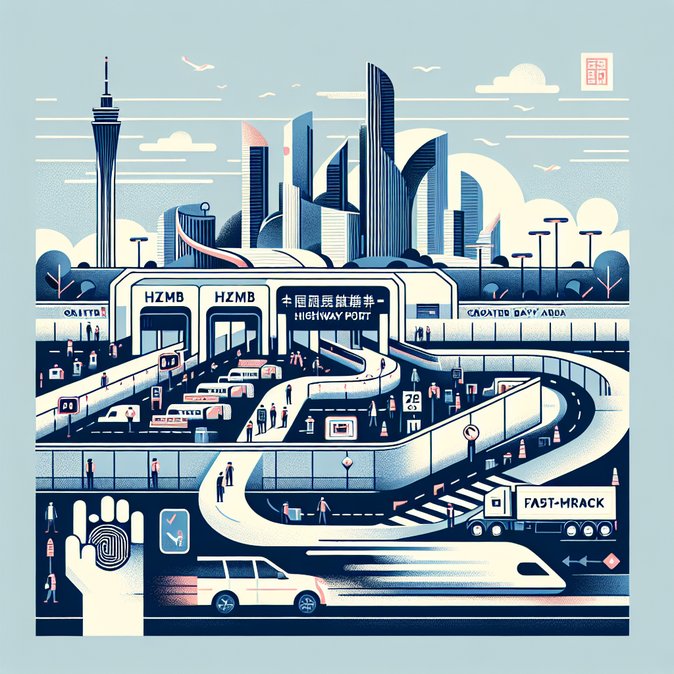
A series of process and infrastructure upgrades at Xinjiang’s land, rail and air gateways propelled cross-border traffic to multi-year highs in 2025, according to a feature published by Legal Daily on 24 January. Immigration officials credited reforms that combine “one-stop” inspections, expanded e-declarations and multilingual traveller assistance for slashing average vehicle and passenger processing time by more than 60 percent.
The numbers are striking:
• 443.5 million people (+36.4 % y/y) cleared Xinjiang’s 19 outward-facing ports.
• Vehicle, rail and aircraft checks reached 172.4 million movements (+26.6 %).
• Urumqi’s new T4 terminal handled 5,900 international cargo flights (+170 %).
Travelers eager to leverage these faster land and air corridors can simplify their paperwork too: VisaHQ’s online platform (https://www.visahq.com/china/) guides individuals and corporate mobility teams through Chinese transit, business and tourist visa requirements, offering document checks, courier pickup and real-time status updates so that entry permits are ready well before reaching Xinjiang’s upgraded checkpoints.
![Xinjiang Ports Post Record Throughput After Customs Modernisation Drive]()
Particular beneficiaries include China’s booming electric-vehicle exporters—more than 80 percent of outbound finished cars now exit via the Horgos road port—and Central Asian tour operators who rely on expedited coach and train charters through the Khorgos International Border Cooperation Center.
For corporates, the improvements translate into shorter dwell times for just-in-time shipments and smoother crew rotations on Belt and Road construction sites. Forwarders are urged to make full use of the “parallel, arrival-while-clearing” mechanism for China–Europe block trains, which caps inspection to 20 minutes per consist.
The Xinjiang model is expected to inform nationwide port-digitalisation guidelines that the National Immigration Administration plans to release later this year.
The numbers are striking:
• 443.5 million people (+36.4 % y/y) cleared Xinjiang’s 19 outward-facing ports.
• Vehicle, rail and aircraft checks reached 172.4 million movements (+26.6 %).
• Urumqi’s new T4 terminal handled 5,900 international cargo flights (+170 %).
Travelers eager to leverage these faster land and air corridors can simplify their paperwork too: VisaHQ’s online platform (https://www.visahq.com/china/) guides individuals and corporate mobility teams through Chinese transit, business and tourist visa requirements, offering document checks, courier pickup and real-time status updates so that entry permits are ready well before reaching Xinjiang’s upgraded checkpoints.
Particular beneficiaries include China’s booming electric-vehicle exporters—more than 80 percent of outbound finished cars now exit via the Horgos road port—and Central Asian tour operators who rely on expedited coach and train charters through the Khorgos International Border Cooperation Center.
For corporates, the improvements translate into shorter dwell times for just-in-time shipments and smoother crew rotations on Belt and Road construction sites. Forwarders are urged to make full use of the “parallel, arrival-while-clearing” mechanism for China–Europe block trains, which caps inspection to 20 minutes per consist.
The Xinjiang model is expected to inform nationwide port-digitalisation guidelines that the National Immigration Administration plans to release later this year.