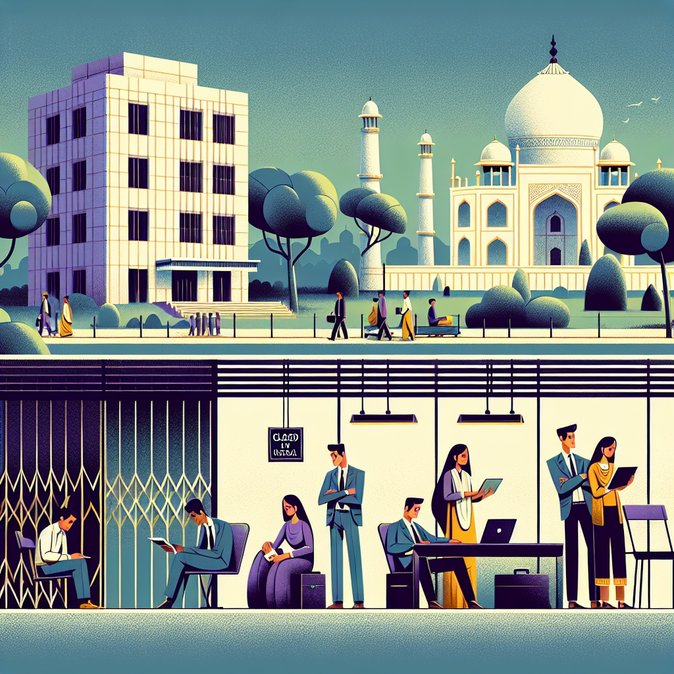
Indian professionals hoping to renew or obtain H-1B visas at U.S. consulates are facing unprecedented delays after Mission India quietly rescheduled thousands of interview slots to 2027. Applicants who had secured January–March 2026 appointments began receiving e-mails late on 22 January stating that their biometric and consular interviews had been deferred—some by more than 14 months.
Amid this uncertainty, third-party facilitation services can provide a crucial buffer. VisaHQ’s India portal (https://www.visahq.com/india/) offers real-time appointment tracking, document pre-screening and dedicated case managers who liaise with U.S. consulates on your behalf, helping applicants identify earlier interview slots that sometimes open up due to cancellations and ensuring that paperwork, including the new social-media disclosures, is fully compliant.
![U.S. H-1B Visa Stamping in India Now Pushed to 2027 as Appointment Backlog Deepens]()
Immigration attorneys say the logjam stems from new social-media-vetting rules that took effect on 15 December 2025. Consular officers must now review applicants’ public posts for potential national-security concerns, adding an estimated 20 minutes to each case file. Staffing levels, however, have not increased, leading to a cascading reschedule of calendars that were already oversubscribed.
The ripple effects are severe for Indian tech workers on home leave. Under U.S. regulations, they cannot re-enter without a valid visa stamp; many are now marooned, unable to resume work on client projects. NASDAQ-listed IT majors have activated emergency remote-work policies and are lobbying Washington for off-shore visa stamping or parole-in-place alternatives.
For global-mobility managers, the advice is blunt: cancel non-essential trips and defer all voluntary H-1B stamping until at least Q3 2026. Travellers caught in the deferral loop should preserve employment status by coordinating with U.S. counsel on leave-of-absence letters and payroll compliance.
Amid this uncertainty, third-party facilitation services can provide a crucial buffer. VisaHQ’s India portal (https://www.visahq.com/india/) offers real-time appointment tracking, document pre-screening and dedicated case managers who liaise with U.S. consulates on your behalf, helping applicants identify earlier interview slots that sometimes open up due to cancellations and ensuring that paperwork, including the new social-media disclosures, is fully compliant.
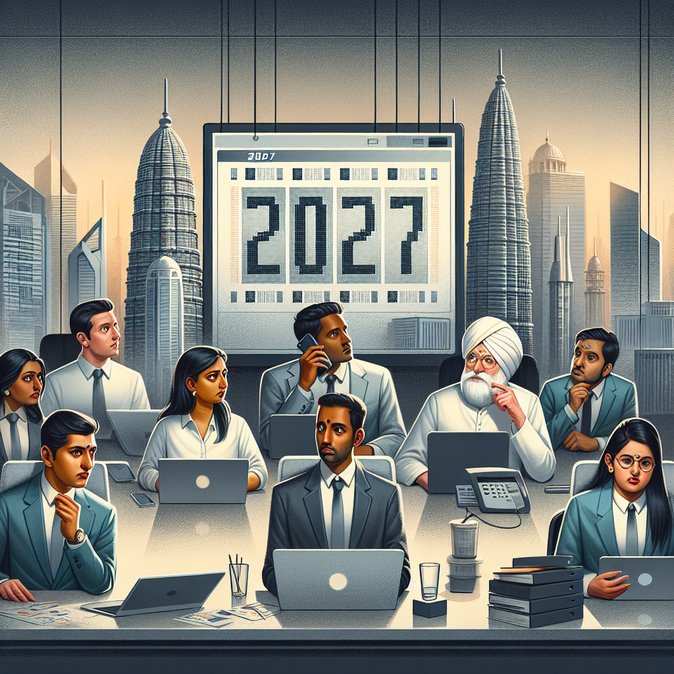
Immigration attorneys say the logjam stems from new social-media-vetting rules that took effect on 15 December 2025. Consular officers must now review applicants’ public posts for potential national-security concerns, adding an estimated 20 minutes to each case file. Staffing levels, however, have not increased, leading to a cascading reschedule of calendars that were already oversubscribed.
The ripple effects are severe for Indian tech workers on home leave. Under U.S. regulations, they cannot re-enter without a valid visa stamp; many are now marooned, unable to resume work on client projects. NASDAQ-listed IT majors have activated emergency remote-work policies and are lobbying Washington for off-shore visa stamping or parole-in-place alternatives.
For global-mobility managers, the advice is blunt: cancel non-essential trips and defer all voluntary H-1B stamping until at least Q3 2026. Travellers caught in the deferral loop should preserve employment status by coordinating with U.S. counsel on leave-of-absence letters and payroll compliance.