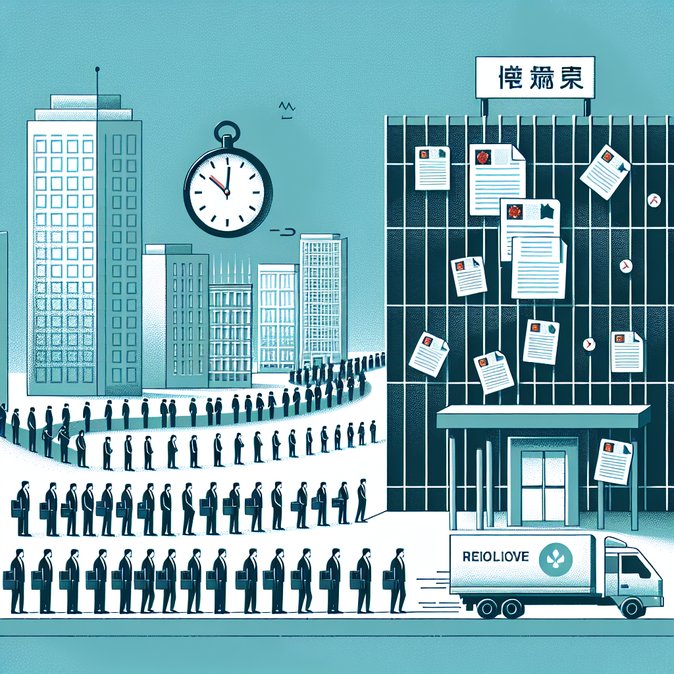
China’s consular posts across India have quietly introduced a series of additional checks that are already lengthening processing times and pushing refusal rates for tourist and short-term business visas close to 40 %. According to Indian travel companies that handle large corporate volumes, the Chinese embassies and consulates in New Delhi, Mumbai, Kolkata and Chennai now require all applicants to complete a detailed online form and upload supporting documents—bank statements, proof of employment and confirmed flights—before an in-person biometrics appointment can even be booked. (timesofindia.indiatimes.com)
The extra layer replaces the paper application that could previously be lodged through visa agents and has effectively doubled the lead-time, with appointments sometimes available only three to four weeks out. “For corporate road-shows we are advising clients to start paperwork at least six weeks before departure,” said the head of a Bengaluru-based mobility firm that manages China programmes for several IT majors. “Even then, rejections are rising because any inconsistency—an old passport number, a typo, a missing hotel night—triggers an automatic refusal.”
Industry insiders link the clamp-down to Beijing’s efforts to better track visitor flows after last year’s surge in inbound travel under expanded flight capacity and aggressive hotel discounts. Indian tourists were a key part of that rebound, but officials fear overstays and undocumented work. By forcing applicants onto the official e-platform, authorities gain advance access to data and can cross-check against security and public-health watch lists.
![China Tightens Visa Requirements for Indian Travellers, Rejection Rates Near 40 %]()
Amid these new hurdles, many travellers are turning to VisaHQ, whose China-focused experts pre-review documents, correct common errors and help secure the earliest available slots—saving valuable time and reducing the risk of refusal. Indian applicants can start the process online and track every stage through VisaHQ’s digital dashboard at https://www.visahq.com/china/ a service that has become increasingly popular with corporations facing tight project deadlines.
For business travellers the implications are immediate: project timelines are stretching, last-minute troubleshooting trips are becoming harder, and firms must budget for repeat submissions. Larger multinationals are responding by moving some meetings to Hong Kong or Singapore, where visa-free entry or easy e-visas allow flexibility. Travel analysts warn that the tougher stance undermines China’s broader objective of rebuilding inbound commerce; if Indian executives cannot obtain visas quickly, supply-chain visits and procurement negotiations may shift elsewhere.
In the short term, Indian companies are exploring China’s new 240-hour visa-free transit option—available at 60-plus ports—as a work-around for urgent site visits. Mobility managers, however, caution that the transit scheme cannot be used for activities beyond meetings and plant tours, and travellers must exit to a third country within 10 days. Until a more predictable process returns, experts expect demand for China trips from India to stall, even as other source markets benefit from Beijing’s headline-grabbing visa waivers.
The extra layer replaces the paper application that could previously be lodged through visa agents and has effectively doubled the lead-time, with appointments sometimes available only three to four weeks out. “For corporate road-shows we are advising clients to start paperwork at least six weeks before departure,” said the head of a Bengaluru-based mobility firm that manages China programmes for several IT majors. “Even then, rejections are rising because any inconsistency—an old passport number, a typo, a missing hotel night—triggers an automatic refusal.”
Industry insiders link the clamp-down to Beijing’s efforts to better track visitor flows after last year’s surge in inbound travel under expanded flight capacity and aggressive hotel discounts. Indian tourists were a key part of that rebound, but officials fear overstays and undocumented work. By forcing applicants onto the official e-platform, authorities gain advance access to data and can cross-check against security and public-health watch lists.

Amid these new hurdles, many travellers are turning to VisaHQ, whose China-focused experts pre-review documents, correct common errors and help secure the earliest available slots—saving valuable time and reducing the risk of refusal. Indian applicants can start the process online and track every stage through VisaHQ’s digital dashboard at https://www.visahq.com/china/ a service that has become increasingly popular with corporations facing tight project deadlines.
For business travellers the implications are immediate: project timelines are stretching, last-minute troubleshooting trips are becoming harder, and firms must budget for repeat submissions. Larger multinationals are responding by moving some meetings to Hong Kong or Singapore, where visa-free entry or easy e-visas allow flexibility. Travel analysts warn that the tougher stance undermines China’s broader objective of rebuilding inbound commerce; if Indian executives cannot obtain visas quickly, supply-chain visits and procurement negotiations may shift elsewhere.
In the short term, Indian companies are exploring China’s new 240-hour visa-free transit option—available at 60-plus ports—as a work-around for urgent site visits. Mobility managers, however, caution that the transit scheme cannot be used for activities beyond meetings and plant tours, and travellers must exit to a third country within 10 days. Until a more predictable process returns, experts expect demand for China trips from India to stall, even as other source markets benefit from Beijing’s headline-grabbing visa waivers.