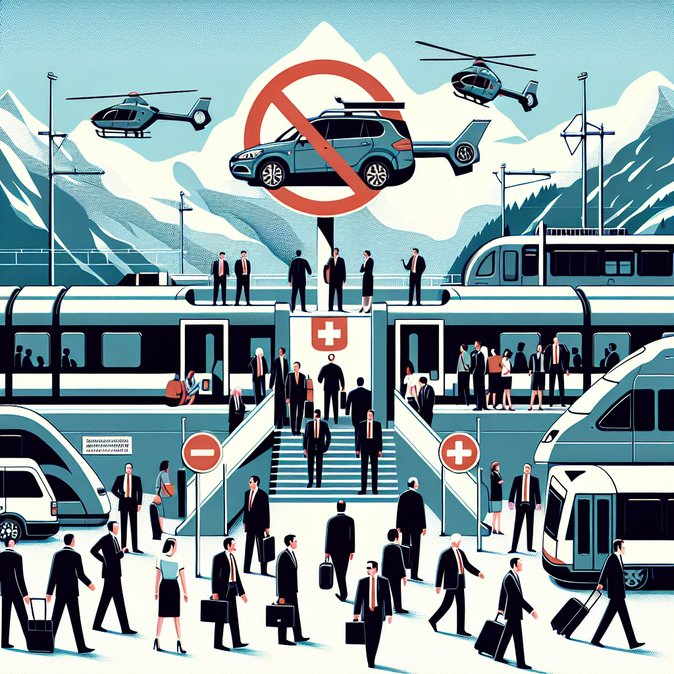
Switzerland’s federal authorities and the canton of Graubünden are already planning the 2027 edition of the World Economic Forum (WEF) even as the 2026 meeting wraps up today. Behind closed doors in Bern this week, ministers acknowledged what local residents, delegates and security planners have known for years: the picturesque Alpine resort of Davos has reached its logistical limits. According to Swiss media reports, ideas on the table range from capping delegate numbers to banning most private vehicles from entering the valley during WEF week, forcing all visitors who are not permanent residents or VIP-accredited to park in secure lots near Klosters and continue by shuttle bus or train.(swissinfo.ch)
Pressure has been building since record-high attendance in 2025 pushed hotel beds, road capacity and police manpower to breaking point. Larry Fink, the Forum’s U.S. co-chair, publicly floated alternative host cities—including Detroit, Dublin and Jakarta—if Davos cannot expand or modernise its infrastructure. Swiss Foreign Minister Ignazio Cassis responded that the WEF is “of enormous strategic importance” and vowed that the Federal Council “will do everything in its power” to keep the summit in Switzerland.(swissinfo.ch)
For organisations dispatching delegates, securing visas and other travel documents will be just as critical as booking trains or helicopters. VisaHQ’s Switzerland portal (https://www.visahq.com/switzerland/) simplifies the process with real-time entry requirement updates, group-application tools and courier options—helping WEF participants avoid last-minute paperwork snags if accreditation windows tighten or the venue changes.
![Switzerland fights to keep the WEF in Davos as capacity crunch sparks talk of traffic bans]()
For global-mobility and corporate-travel managers the prospect of a partial vehicle ban is significant. More than 60 percent of WEF participants rely on chauffeured cars to shuttle between Zurich Airport and meetings in Davos. If private traffic is curtailed, demand for rail and helicopter transfers will spike, and companies will need to book ground transport windows and security escorts even earlier than they do today. Event suppliers warn that restricting trucks could complicate stand-building and catering logistics, potentially driving up costs for side events and hospitality suites.
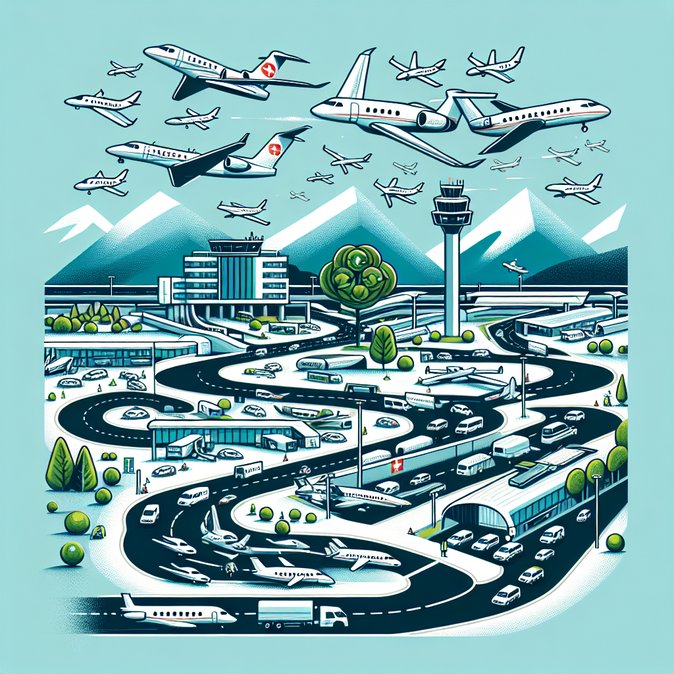
The debate is also reviving a long-running question: should Switzerland invest in a dedicated conference rail spur into Davos or expand Samedan regional airport to handle more executive jets? Environmental groups, meanwhile, argue that reducing road traffic—and ideally private aviation—would cut the meeting’s carbon footprint. A decision on the 2027 host venue is expected before the summer recess, giving businesses only a few months to adjust their mobility playbooks if the Forum decamps elsewhere.
Until then, mobility planners should prepare for stricter accreditation, earlier shipment deadlines and a likely shift from private cars to shared shuttles and scheduled rail for next January’s summit.
Pressure has been building since record-high attendance in 2025 pushed hotel beds, road capacity and police manpower to breaking point. Larry Fink, the Forum’s U.S. co-chair, publicly floated alternative host cities—including Detroit, Dublin and Jakarta—if Davos cannot expand or modernise its infrastructure. Swiss Foreign Minister Ignazio Cassis responded that the WEF is “of enormous strategic importance” and vowed that the Federal Council “will do everything in its power” to keep the summit in Switzerland.(swissinfo.ch)
For organisations dispatching delegates, securing visas and other travel documents will be just as critical as booking trains or helicopters. VisaHQ’s Switzerland portal (https://www.visahq.com/switzerland/) simplifies the process with real-time entry requirement updates, group-application tools and courier options—helping WEF participants avoid last-minute paperwork snags if accreditation windows tighten or the venue changes.

For global-mobility and corporate-travel managers the prospect of a partial vehicle ban is significant. More than 60 percent of WEF participants rely on chauffeured cars to shuttle between Zurich Airport and meetings in Davos. If private traffic is curtailed, demand for rail and helicopter transfers will spike, and companies will need to book ground transport windows and security escorts even earlier than they do today. Event suppliers warn that restricting trucks could complicate stand-building and catering logistics, potentially driving up costs for side events and hospitality suites.
The debate is also reviving a long-running question: should Switzerland invest in a dedicated conference rail spur into Davos or expand Samedan regional airport to handle more executive jets? Environmental groups, meanwhile, argue that reducing road traffic—and ideally private aviation—would cut the meeting’s carbon footprint. A decision on the 2027 host venue is expected before the summer recess, giving businesses only a few months to adjust their mobility playbooks if the Forum decamps elsewhere.
Until then, mobility planners should prepare for stricter accreditation, earlier shipment deadlines and a likely shift from private cars to shared shuttles and scheduled rail for next January’s summit.