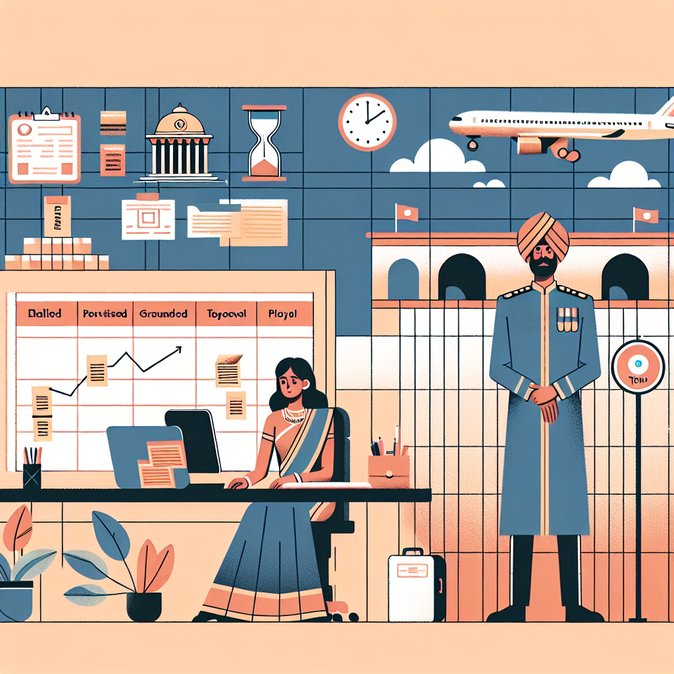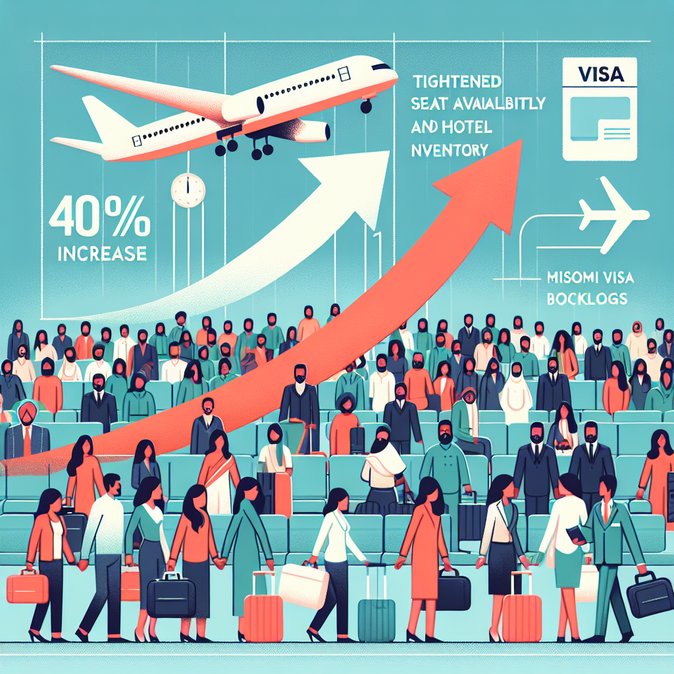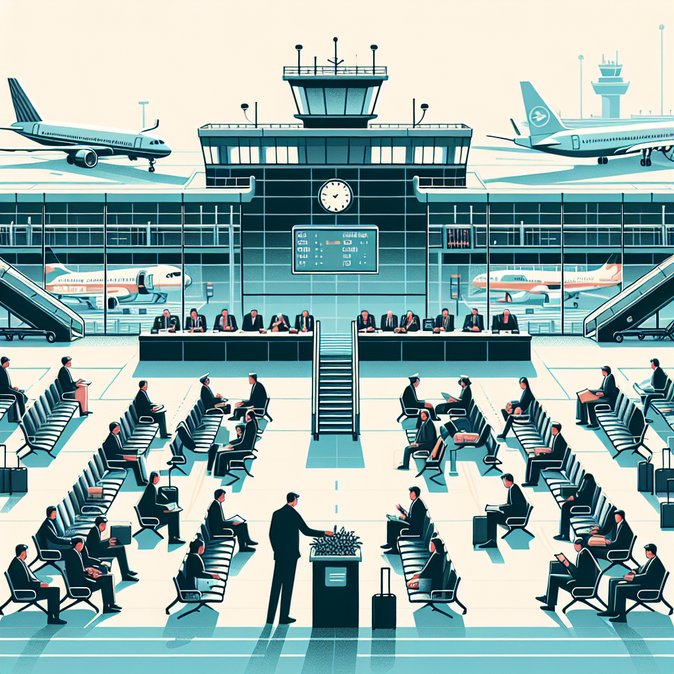
The Civil Aviation Ministry on 22 January issued an order creating a slot-coordination committee to reallocate the airport slots vacated after IndiGo was forced to slash 10 percent of its winter schedule in December 2025 (hindustantimes.com). The panel, chaired by Joint Secretary (Airports) Rubina Ali, convened its first meeting on 13 January and set criteria for airlines seeking the freed-up capacity.
A parallel circular sent to carriers—seen by Business Standard—makes clear that only operators able to deploy “additional aircraft, pilots, cabin crew and ground support” will be preferred; shuffling existing flights will not suffice (business-standard.com). Airlines must provide evidence of crew rosters and maintenance resources or risk losing any newly allotted slots.
The move follows IndiGo’s mass cancellations when new Flight Duty Time Limitation (FDTL) rules exposed pilot shortages. Regulators are keen to avoid a repeat ahead of the busy summer 2026 season, when international connections hinge on punctual domestic feeders. By reallocating slots to capacity-ready rivals such as Air India, Vistara and Akasa Air, officials hope to restore network resilience before the G20 trade ministers’ summit in Bengaluru this March.
![India forms high-level panel to redistribute IndiGo’s curtailed airport slots]()
While airlines rapidly rejig their schedules, travellers still need to make sure their paperwork keeps pace. VisaHQ’s digital platform (https://www.visahq.com/india/) streamlines visa and e-permit applications for business and leisure visitors alike, offering real-time tracking and expert support so that last-minute itinerary shifts don’t translate into border-control headaches.
For mobility managers arranging in-country itineraries for expatriates and visiting executives, the short-term picture is mixed. Route options could actually expand as competitors step in, but timetable volatility will persist until crew training pipelines stabilise. Travel policies should therefore build in longer domestic layovers and allow the use of rail alternatives on metro-pair sectors like Delhi–Jaipur or Mumbai–Pune.
Longer term, the episode signals a harder regulatory stance on operational reliability. Experts predict that the DGCA may make slot ownership conditional on compliance with FDTL and on-time-performance metrics, aligning India with IATA’s Worldwide Airport Slot Guidelines. Corporations should track published slot lists, as new early-morning and late-evening pairs could open useful same-day international connections.
A parallel circular sent to carriers—seen by Business Standard—makes clear that only operators able to deploy “additional aircraft, pilots, cabin crew and ground support” will be preferred; shuffling existing flights will not suffice (business-standard.com). Airlines must provide evidence of crew rosters and maintenance resources or risk losing any newly allotted slots.
The move follows IndiGo’s mass cancellations when new Flight Duty Time Limitation (FDTL) rules exposed pilot shortages. Regulators are keen to avoid a repeat ahead of the busy summer 2026 season, when international connections hinge on punctual domestic feeders. By reallocating slots to capacity-ready rivals such as Air India, Vistara and Akasa Air, officials hope to restore network resilience before the G20 trade ministers’ summit in Bengaluru this March.

While airlines rapidly rejig their schedules, travellers still need to make sure their paperwork keeps pace. VisaHQ’s digital platform (https://www.visahq.com/india/) streamlines visa and e-permit applications for business and leisure visitors alike, offering real-time tracking and expert support so that last-minute itinerary shifts don’t translate into border-control headaches.
For mobility managers arranging in-country itineraries for expatriates and visiting executives, the short-term picture is mixed. Route options could actually expand as competitors step in, but timetable volatility will persist until crew training pipelines stabilise. Travel policies should therefore build in longer domestic layovers and allow the use of rail alternatives on metro-pair sectors like Delhi–Jaipur or Mumbai–Pune.
Longer term, the episode signals a harder regulatory stance on operational reliability. Experts predict that the DGCA may make slot ownership conditional on compliance with FDTL and on-time-performance metrics, aligning India with IATA’s Worldwide Airport Slot Guidelines. Corporations should track published slot lists, as new early-morning and late-evening pairs could open useful same-day international connections.