Poland has prolonged the extraordinary measure that blocks most third-country nationals from filing applications for international protection at its land border with Belarus. A Council of Ministers regulation dated 16 January 2026 extends the prohibition—first imposed in March 2025—by a further 60 days from 21 January 2026.
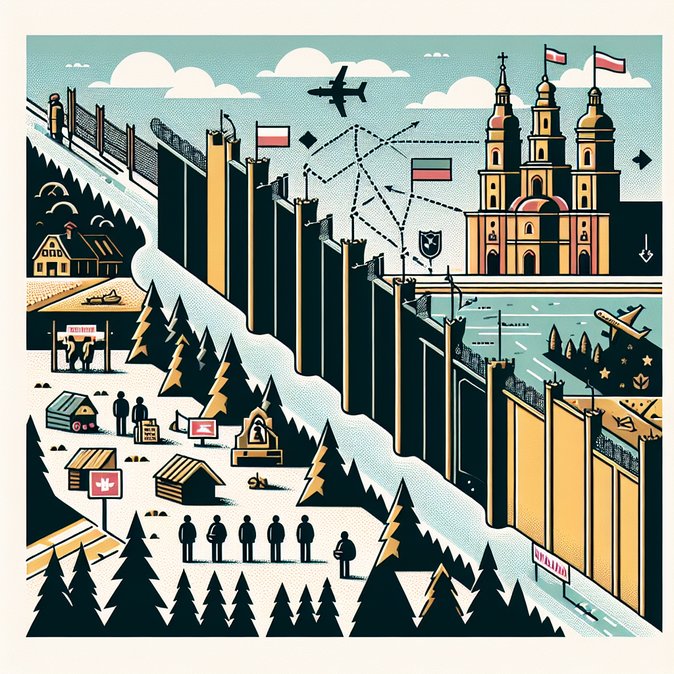
The ban is rooted in Article 33a of Poland’s 2003 Asylum Act, which allows the government to restrict access to the asylum procedure when “instrumentalisation of migration” is deemed a serious threat to national security. Warsaw argues that Belarus continues to facilitate irregular crossings in retaliation for EU sanctions, forcing Poland’s Border Guard to process thousands of attempted entries each month. According to government data, more than 45,000 attempts were prevented in 2025, compared with fewer than 8,000 in 2020.
![Poland extends 60-day ban on lodging asylum claims at Belarus frontier]()
For travellers who now need to secure visas or alternative entry documentation in advance, VisaHQ can streamline the process. The company’s Poland portal (https://www.visahq.com/poland/) offers step-by-step guidance on Schengen visa requirements, document checklists and appointment scheduling, helping applicants avoid last-minute complications at the border.
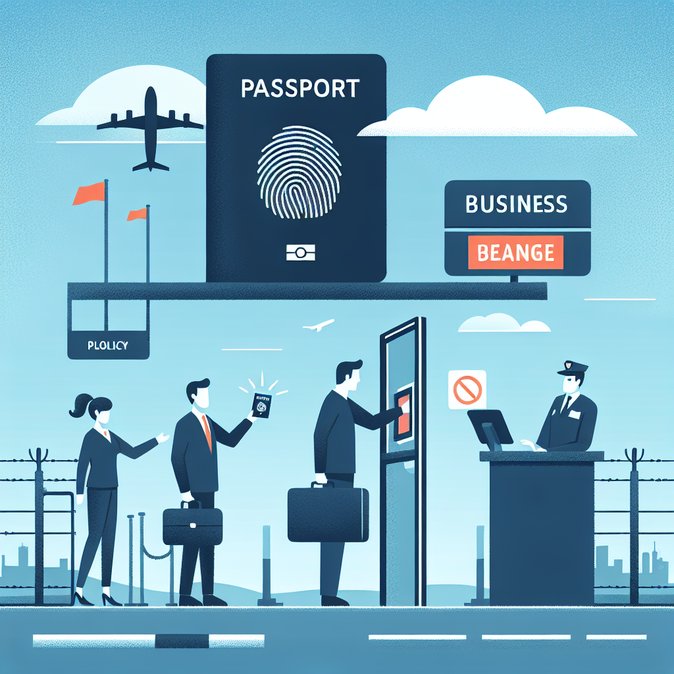
For mobility and compliance managers the extension means that employees or family members who attempt to enter the EU via Belarus cannot lodge protection claims on the spot. Instead, they must seek visas or humanitarian entry in advance, or apply for protection once they have legally reached Polish territory through another external Schengen frontier. Companies with Belarus-based staff transiting through Poland should therefore reroute travel via officially open checkpoints with Lithuania or Latvia, or arrange air travel directly to Warsaw or Kraków.
Human-rights NGOs have criticised the policy, arguing that it violates the non-refoulement principle by denying access to a fair asylum procedure. The Polish government counters that the restriction is temporary, proportionate and renewed only with parliamentary consent. With the new 60-day period running until at least 21 March 2026, businesses should assume that the ban could remain in force well into the second quarter and plan mobility programmes accordingly.
The ban is rooted in Article 33a of Poland’s 2003 Asylum Act, which allows the government to restrict access to the asylum procedure when “instrumentalisation of migration” is deemed a serious threat to national security. Warsaw argues that Belarus continues to facilitate irregular crossings in retaliation for EU sanctions, forcing Poland’s Border Guard to process thousands of attempted entries each month. According to government data, more than 45,000 attempts were prevented in 2025, compared with fewer than 8,000 in 2020.

For travellers who now need to secure visas or alternative entry documentation in advance, VisaHQ can streamline the process. The company’s Poland portal (https://www.visahq.com/poland/) offers step-by-step guidance on Schengen visa requirements, document checklists and appointment scheduling, helping applicants avoid last-minute complications at the border.
For mobility and compliance managers the extension means that employees or family members who attempt to enter the EU via Belarus cannot lodge protection claims on the spot. Instead, they must seek visas or humanitarian entry in advance, or apply for protection once they have legally reached Polish territory through another external Schengen frontier. Companies with Belarus-based staff transiting through Poland should therefore reroute travel via officially open checkpoints with Lithuania or Latvia, or arrange air travel directly to Warsaw or Kraków.
Human-rights NGOs have criticised the policy, arguing that it violates the non-refoulement principle by denying access to a fair asylum procedure. The Polish government counters that the restriction is temporary, proportionate and renewed only with parliamentary consent. With the new 60-day period running until at least 21 March 2026, businesses should assume that the ban could remain in force well into the second quarter and plan mobility programmes accordingly.