A last-minute mechanical fault on Air Force One forced U.S. President Donald Trump to switch aircraft in Washington in the early hours of 21 January, pushing his landing at Zurich Airport back by more than two hours. Swiss air-navigation service Skyguide and Zurich Airport’s slot-coordination team activated a contingency plan that prioritises state flights and emergency services during the World Economic Forum (WEF) week. Despite the disruption, the president’s convoy touched down just after 12:30 p.m. local time and helicopters ferried the delegation to Davos, allowing Trump’s 2:30 p.m. keynote to proceed on time. (bloomberg.com)
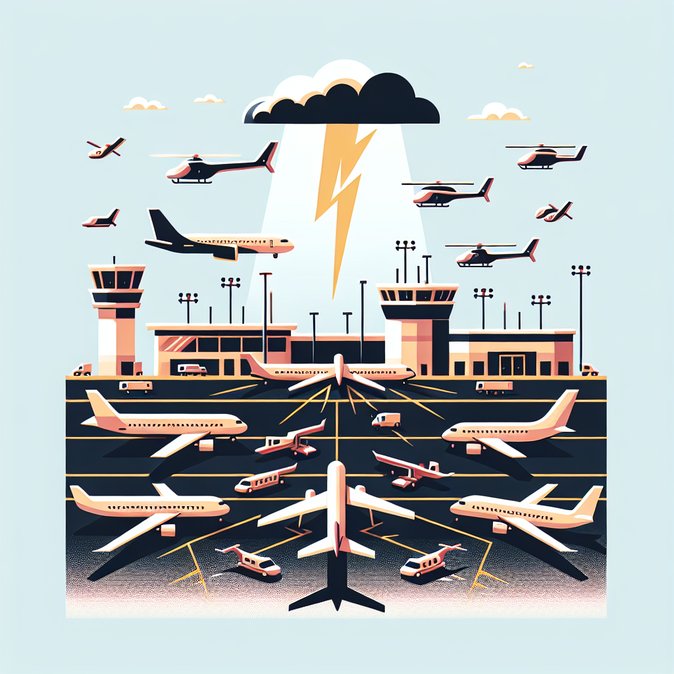
The incident offered a real-time stress-test of Switzerland’s WEF air-traffic blueprint. Zurich is handling roughly 1,000 additional flight movements between 19–24 January, most of them unscheduled business jets and government aircraft. A temporary 25-nautical-mile restricted zone surrounds Davos, meaning any late VIP arrival can ripple through civilian slots at Zurich, Basel-Mulhouse and regional airfields such as Dübendorf and Samedan. Air-traffic controllers used the delay window to resequence inbound corporate traffic rather than cancel slots, limiting knock-on effects for commercial carriers.
Corporate travel managers should nevertheless expect ad-hoc ground holds and possible late-night exemptions to the 23:30 curfew when high-profile state flights bunch up. Zurich Airport advises passengers to allow extra transfer time, keep airline apps enabled for gate changes, and pre-book rail or helicopter onward travel where possible. Cargo handlers reported only minor apron congestion thanks to staggered freight arrivals and real-time coordination with diplomatic security teams.
![Air-Force One detour delays Trump’s Zurich arrival, but WEF flight schedule holds]()
From a compliance perspective, the episode highlights the importance of up-to-date Advance Passenger Information (API) filings. Swiss border police processed the presidential entourage under the ordinary diplomatic-notification regime; commercial operators lacking complete crew and passenger manifests faced slot-denial risk. HR teams moving assignees or executives during WEF should double-check that passport details in booking files exactly match travel documents to avoid last-minute re-vetting.
To simplify the visa and documentation side of any WEF-week journey, planners can lean on VisaHQ’s Switzerland portal (https://www.visahq.com/switzerland/). The platform clarifies whether travelers need Schengen visas or special permits, streamlines online applications, and tracks approvals, helping crews and executives avoid the paperwork glitches that can trigger slot denials or border delays.
Looking ahead, Swiss authorities say the successful handling of the Air Force One diversion underscores the resilience of the WEF aviation concept, but they warn that any further high-visibility incidents—such as protest-driven runway incursions or severe winter weather—could strain capacity. Contingency routings via Geneva or Milan-Malpensa remain on standby, and operators are urged to file flexible fuel plans and prepare crew for diplomatic PPR (prior permission required) procedures.
The incident offered a real-time stress-test of Switzerland’s WEF air-traffic blueprint. Zurich is handling roughly 1,000 additional flight movements between 19–24 January, most of them unscheduled business jets and government aircraft. A temporary 25-nautical-mile restricted zone surrounds Davos, meaning any late VIP arrival can ripple through civilian slots at Zurich, Basel-Mulhouse and regional airfields such as Dübendorf and Samedan. Air-traffic controllers used the delay window to resequence inbound corporate traffic rather than cancel slots, limiting knock-on effects for commercial carriers.
Corporate travel managers should nevertheless expect ad-hoc ground holds and possible late-night exemptions to the 23:30 curfew when high-profile state flights bunch up. Zurich Airport advises passengers to allow extra transfer time, keep airline apps enabled for gate changes, and pre-book rail or helicopter onward travel where possible. Cargo handlers reported only minor apron congestion thanks to staggered freight arrivals and real-time coordination with diplomatic security teams.
From a compliance perspective, the episode highlights the importance of up-to-date Advance Passenger Information (API) filings. Swiss border police processed the presidential entourage under the ordinary diplomatic-notification regime; commercial operators lacking complete crew and passenger manifests faced slot-denial risk. HR teams moving assignees or executives during WEF should double-check that passport details in booking files exactly match travel documents to avoid last-minute re-vetting.
To simplify the visa and documentation side of any WEF-week journey, planners can lean on VisaHQ’s Switzerland portal (https://www.visahq.com/switzerland/). The platform clarifies whether travelers need Schengen visas or special permits, streamlines online applications, and tracks approvals, helping crews and executives avoid the paperwork glitches that can trigger slot denials or border delays.
Looking ahead, Swiss authorities say the successful handling of the Air Force One diversion underscores the resilience of the WEF aviation concept, but they warn that any further high-visibility incidents—such as protest-driven runway incursions or severe winter weather—could strain capacity. Contingency routings via Geneva or Milan-Malpensa remain on standby, and operators are urged to file flexible fuel plans and prepare crew for diplomatic PPR (prior permission required) procedures.