Civil-liberties watchdog Statewatch has published excerpts from the European Commission’s confidential ‘Schengen Barometer+’ report, presented to interior ministers last October and circulated to member states on 14 January 2026. The document, obtained by journalists and released on 20 January, sketches a 2026 road-map of more deportations, expanded surveillance and further militarisation along the EU’s external frontiers.
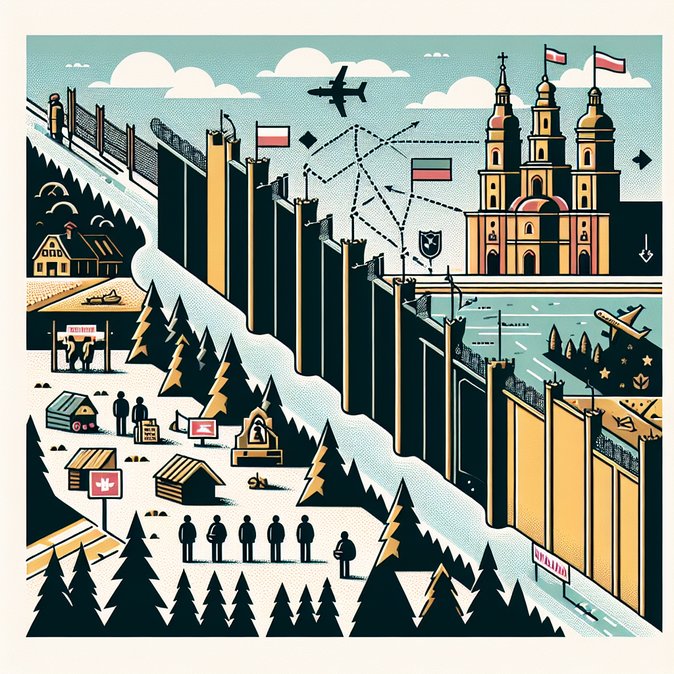
Although the Barometer reviews the entire Schengen area, it singles out Poland and Finland for “significant investments” in stationary surveillance along Eastern land borders. Warsaw’s €190 million smart-fence, biometric towers and drone fleet, financed partly through the EU–funded Integrated Border Management Facility, are held up as a model for coping with “hybrid threats” emanating from Belarus and Russia.
The report notes that irregular crossings from Belarus rose again in late 2025—despite technical barriers—and demands that member states integrate deportation planning into national contingency strategies. It also pushes for larger Frontex deployments and faster access to EU databases, presaging legislation that could arrive in Brussels later this year.
![Leaked ‘Schengen Barometer+’ predicts tougher border regime; Poland praised for new tech spend]()
For companies operating mobility programmes, the analysis points to a future of stricter entry screening, more biometric checks and a political appetite for swift removals. Polish airports are already upgrading e-gates to meet the 2026 Entry/Exit System deadline, and land-border carriers should prepare for longer clearance times as risk-profiling algorithms are fine-tuned.
In this shifting landscape, VisaHQ’s Poland portal (https://www.visahq.com/poland/) offers companies and individual travellers real-time guidance on visa requirements, biometric enrolment and the forthcoming Entry/Exit System rules. Its document-checking tools and concierge support can streamline itinerary planning, ensuring compliance even as Warsaw rolls out new surveillance layers.
NGOs warn that the security framing could legitimise push-backs and undermine asylum access—concerns especially relevant for Poland given its ongoing 60-day asylum restriction at the Belarus border. Businesses may face reputational pressure to audit supply-chain labour routes and ensure that staff movements respect emerging digital-border rules.
Although the Barometer reviews the entire Schengen area, it singles out Poland and Finland for “significant investments” in stationary surveillance along Eastern land borders. Warsaw’s €190 million smart-fence, biometric towers and drone fleet, financed partly through the EU–funded Integrated Border Management Facility, are held up as a model for coping with “hybrid threats” emanating from Belarus and Russia.
The report notes that irregular crossings from Belarus rose again in late 2025—despite technical barriers—and demands that member states integrate deportation planning into national contingency strategies. It also pushes for larger Frontex deployments and faster access to EU databases, presaging legislation that could arrive in Brussels later this year.
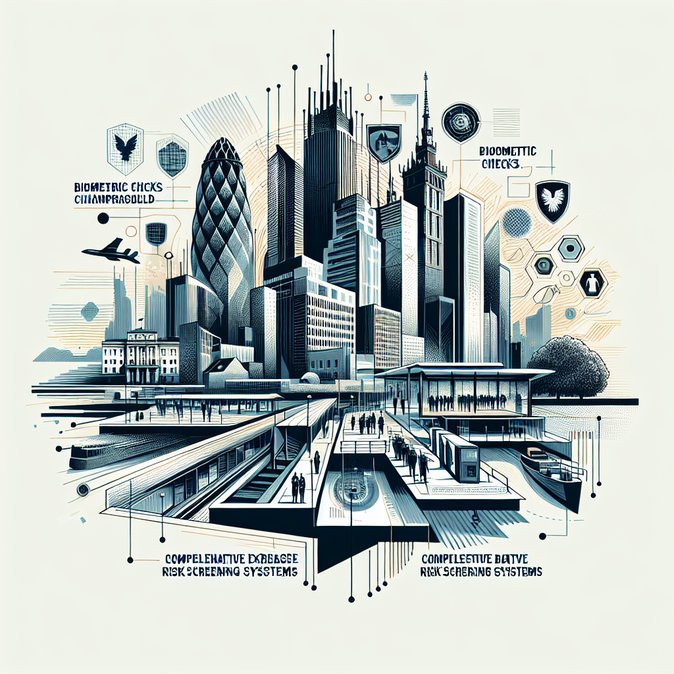
For companies operating mobility programmes, the analysis points to a future of stricter entry screening, more biometric checks and a political appetite for swift removals. Polish airports are already upgrading e-gates to meet the 2026 Entry/Exit System deadline, and land-border carriers should prepare for longer clearance times as risk-profiling algorithms are fine-tuned.
In this shifting landscape, VisaHQ’s Poland portal (https://www.visahq.com/poland/) offers companies and individual travellers real-time guidance on visa requirements, biometric enrolment and the forthcoming Entry/Exit System rules. Its document-checking tools and concierge support can streamline itinerary planning, ensuring compliance even as Warsaw rolls out new surveillance layers.
NGOs warn that the security framing could legitimise push-backs and undermine asylum access—concerns especially relevant for Poland given its ongoing 60-day asylum restriction at the Belarus border. Businesses may face reputational pressure to audit supply-chain labour routes and ensure that staff movements respect emerging digital-border rules.