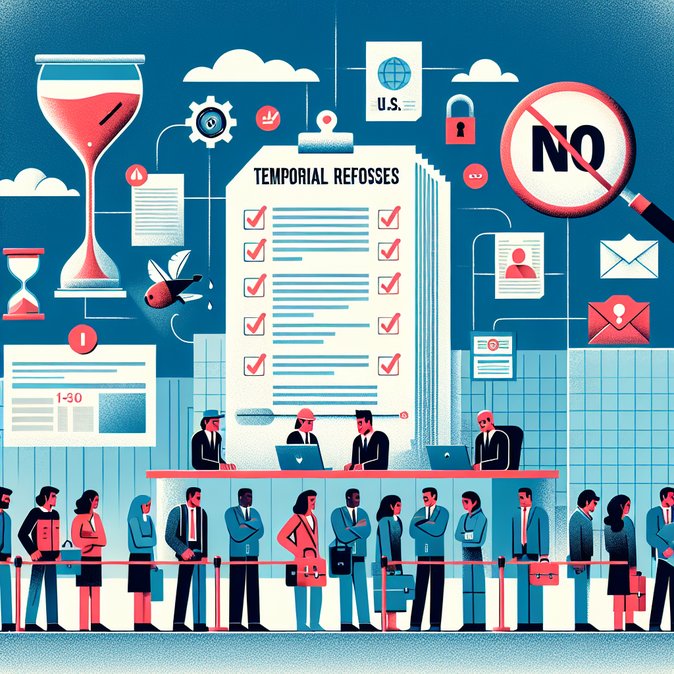
Consular officers across India have begun issuing a noticeably higher volume of Section 221(g) notices—temporary refusals that push an application into administrative processing—according to immigration lawyers interviewed by ETtech. The shift follows Washington’s January 2025 directive requiring deeper background checks, including a sweep of public social-media activity, for most non-immigrant visa classes.
Indians account for more than 70 percent of global H-1B issuances and a large share of student, L-1 and B-category visas. Applicants report that even routine renewals are now frequently halted for extra document requests: archived police clearances, toxicology reports or screenshots of decade-old tweets. Cases with minor arrest records—even if previously disclosed—are almost automatically routed to the 221(g) queue.
For applicants who want to get ahead of these new hurdles, VisaHQ’s India portal (https://www.visahq.com/india/) offers a convenient way to assemble police certificates, pre-check social-media histories, and track application status in real time—often flagging issues that could trigger 221(g) before you even reach the consular window.
![Social-Media Vetting Drives Spike in U.S. Visa Refusals for Indians]()
Processing times have lengthened accordingly. Appointments cancelled en masse in December were first re-slotted for March–April, only to be pushed again, in some instances to November 2026. Staffing vendors warn the delays threaten delivery timelines for India’s $280-billion IT-services export sector, where on-site engagements remain critical.
Prudential revocation notices—emails that cancel a previously stamped visa pending review—have also risen. Immigration counsel advise companies to screen travellers’ social-media footprints, pre-assemble arrest-record packets, and budget for alternative staffing or remote-work contingencies when U.S. travel is time-sensitive.
While no formal policy rollback has been announced, analysts expect the strict vetting to persist through the U.S. election cycle. Corporate mobility teams should therefore treat 221(g) as the new normal and build at least a four- to six-month buffer into mission-critical deployments.
Indians account for more than 70 percent of global H-1B issuances and a large share of student, L-1 and B-category visas. Applicants report that even routine renewals are now frequently halted for extra document requests: archived police clearances, toxicology reports or screenshots of decade-old tweets. Cases with minor arrest records—even if previously disclosed—are almost automatically routed to the 221(g) queue.
For applicants who want to get ahead of these new hurdles, VisaHQ’s India portal (https://www.visahq.com/india/) offers a convenient way to assemble police certificates, pre-check social-media histories, and track application status in real time—often flagging issues that could trigger 221(g) before you even reach the consular window.

Processing times have lengthened accordingly. Appointments cancelled en masse in December were first re-slotted for March–April, only to be pushed again, in some instances to November 2026. Staffing vendors warn the delays threaten delivery timelines for India’s $280-billion IT-services export sector, where on-site engagements remain critical.
Prudential revocation notices—emails that cancel a previously stamped visa pending review—have also risen. Immigration counsel advise companies to screen travellers’ social-media footprints, pre-assemble arrest-record packets, and budget for alternative staffing or remote-work contingencies when U.S. travel is time-sensitive.
While no formal policy rollback has been announced, analysts expect the strict vetting to persist through the U.S. election cycle. Corporate mobility teams should therefore treat 221(g) as the new normal and build at least a four- to six-month buffer into mission-critical deployments.