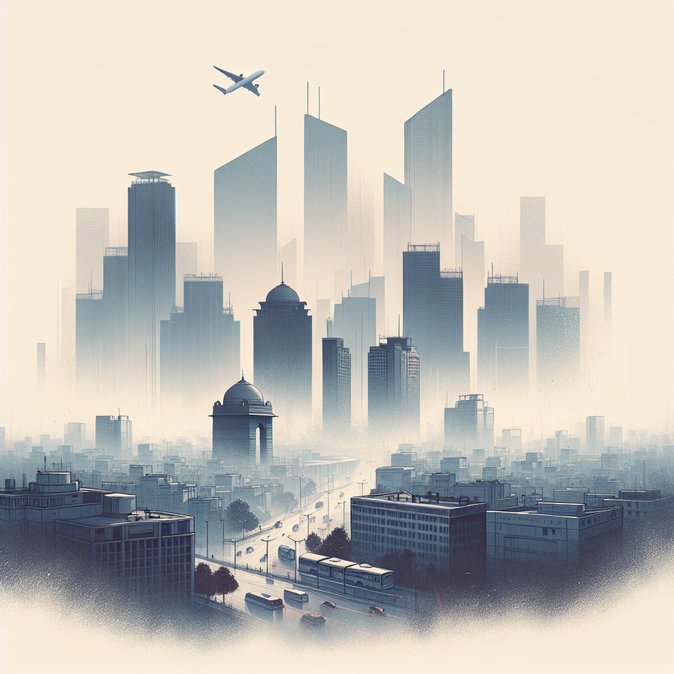
A relentless fog layer over northern India caused widespread disruption on 19–20 January. Delhi’s Indira Gandhi International Airport registered zero visibility for six hours and logged delays to more than 500 flights, averaging 34-minute holds, according to FlightRadar24 data cited by Hindustan Times. Air-quality readings simultaneously hit a ‘severe’ 418 AQI, compounding health and operational risks.
The knock-on effects rippled outward. Vijayawada International Airport reported two-hour delays on four inbound services and cancelled an IndiGo sector to Visakhapatnam, while multiple domestic hubs activated low-visibility procedures. Times of India noted that even short-haul connectors to Chennai, Hyderabad and Bengaluru were pushed back, disrupting onward international connections for corporate travellers.
For travelers who suddenly need to reroute or secure fresh paperwork because of cascading delays, VisaHQ’s India portal (https://www.visahq.com/india/) can fast-track e-visa applications, passport renewals and transit permits, giving both individual passengers and corporate travel teams a reliable back-up when fog or other operational snags threaten tight schedules.
![Dense Fog Grounds Business Travel: 500-plus Flights Delayed Across North India]()
Airlines invoked fog-delay policies, but passengers complained of scant real-time updates and slow re-accommodation. Travel managers should remind employees to pad itineraries by at least half a day during January’s peak fog season and consider flexible tickets that permit free re-routing via Mumbai or Bengaluru when northern airports are below minima.
On the employer side, duty-of-care teams must account for longer tarmac waits and potential exposure to hazardous PM2.5 levels when arranging ground transport. The Ministry of Civil Aviation has previously directed carriers to provide meals, refunds and hotel rooms during extended weather disruptions; companies may wish to audit supplier compliance in light of this week’s events.
With Republic Day air-space restrictions scheduled to impose 145-minute daily closures until 26 January, further congestion is anticipated. Remote meeting options or rescheduling non-essential trips could mitigate productivity losses.
The knock-on effects rippled outward. Vijayawada International Airport reported two-hour delays on four inbound services and cancelled an IndiGo sector to Visakhapatnam, while multiple domestic hubs activated low-visibility procedures. Times of India noted that even short-haul connectors to Chennai, Hyderabad and Bengaluru were pushed back, disrupting onward international connections for corporate travellers.
For travelers who suddenly need to reroute or secure fresh paperwork because of cascading delays, VisaHQ’s India portal (https://www.visahq.com/india/) can fast-track e-visa applications, passport renewals and transit permits, giving both individual passengers and corporate travel teams a reliable back-up when fog or other operational snags threaten tight schedules.
Airlines invoked fog-delay policies, but passengers complained of scant real-time updates and slow re-accommodation. Travel managers should remind employees to pad itineraries by at least half a day during January’s peak fog season and consider flexible tickets that permit free re-routing via Mumbai or Bengaluru when northern airports are below minima.
On the employer side, duty-of-care teams must account for longer tarmac waits and potential exposure to hazardous PM2.5 levels when arranging ground transport. The Ministry of Civil Aviation has previously directed carriers to provide meals, refunds and hotel rooms during extended weather disruptions; companies may wish to audit supplier compliance in light of this week’s events.
With Republic Day air-space restrictions scheduled to impose 145-minute daily closures until 26 January, further congestion is anticipated. Remote meeting options or rescheduling non-essential trips could mitigate productivity losses.