The Bureau of Meteorology’s Australian Space Weather Forecasting Centre (ASWFC) has issued its highest geomagnetic-storm alert after an X-class solar flare launched a coronal-mass ejection toward Earth on 18 January. By the early hours of 20 January the plasma cloud had triggered a G4-level event, the most intense in more than two decades.
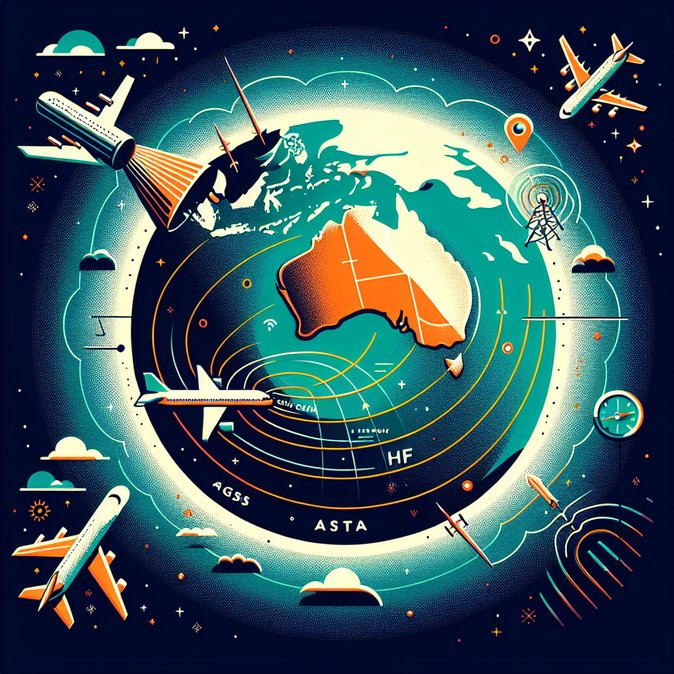
For travellers, the biggest immediate impact is on high-frequency radio and satellite systems. Airlines have been advised to prepare for temporary loss of GPS-aided navigation and to carry extra fuel in case polar-route deviations are required. Qantas and Virgin Australia told corporate clients they have activated contingency procedures but, as of midday, no domestic or international flights had been cancelled. CASA has urged operators to monitor NOTAMs and space-weather bulletins hourly.
![Severe Solar Storm Prompts Aviation, GPS Vigilance Across Australia]()
If your itinerary suddenly changes because of these disruptions, VisaHQ can streamline any urgent visa updates or transit-permit applications you might need. Their platform covers Australia and more than 200 other destinations, with specialists ready to navigate embassy advisories or unexpected documentation requirements triggered by space-weather events. Get fast assistance at https://www.visahq.com/australia/
Beyond aviation, logistics firms reported brief outages on truck-tracking networks in South Australia and Tasmania, while mining companies in the Pilbara limited drone operations until ionospheric conditions stabilise. The good news: the same geomagnetic disturbance is making the aurora australis visible as far north as regional New South Wales—an extremely rare treat for skywatchers.
ASWFC scientists say further flares are possible over the next 48 hours. Mobility managers with time-critical assignments should keep travellers updated on potential flight rerouting, factor in longer journey times, and remind staff to download offline maps in case of GPS disruptions. (theguardian.com)
For travellers, the biggest immediate impact is on high-frequency radio and satellite systems. Airlines have been advised to prepare for temporary loss of GPS-aided navigation and to carry extra fuel in case polar-route deviations are required. Qantas and Virgin Australia told corporate clients they have activated contingency procedures but, as of midday, no domestic or international flights had been cancelled. CASA has urged operators to monitor NOTAMs and space-weather bulletins hourly.

If your itinerary suddenly changes because of these disruptions, VisaHQ can streamline any urgent visa updates or transit-permit applications you might need. Their platform covers Australia and more than 200 other destinations, with specialists ready to navigate embassy advisories or unexpected documentation requirements triggered by space-weather events. Get fast assistance at https://www.visahq.com/australia/
Beyond aviation, logistics firms reported brief outages on truck-tracking networks in South Australia and Tasmania, while mining companies in the Pilbara limited drone operations until ionospheric conditions stabilise. The good news: the same geomagnetic disturbance is making the aurora australis visible as far north as regional New South Wales—an extremely rare treat for skywatchers.
ASWFC scientists say further flares are possible over the next 48 hours. Mobility managers with time-critical assignments should keep travellers updated on potential flight rerouting, factor in longer journey times, and remind staff to download offline maps in case of GPS disruptions. (theguardian.com)