The European Commission has confirmed yet another delay to the European Travel Information and Authorisation System (ETIAS). Instead of becoming mandatory in 2025, the pre-travel screening scheme for visa-exempt visitors will now enter a six-month “soft-launch” phase in the last quarter of 2026, with full enforcement expected by April 2027.
For Spain—one of the Schengen area’s busiest entry points—this means airlines, airports and corporate mobility teams have extra breathing room to adapt passenger-data flows and staff training to the new €20 permit. Madrid-Barajas and Barcelona-El Prat have already begun displaying warnings on their websites that boarding could eventually be denied without an approved ETIAS, but officials now say those pop-ups will remain “informational only” for at least another 18 months.
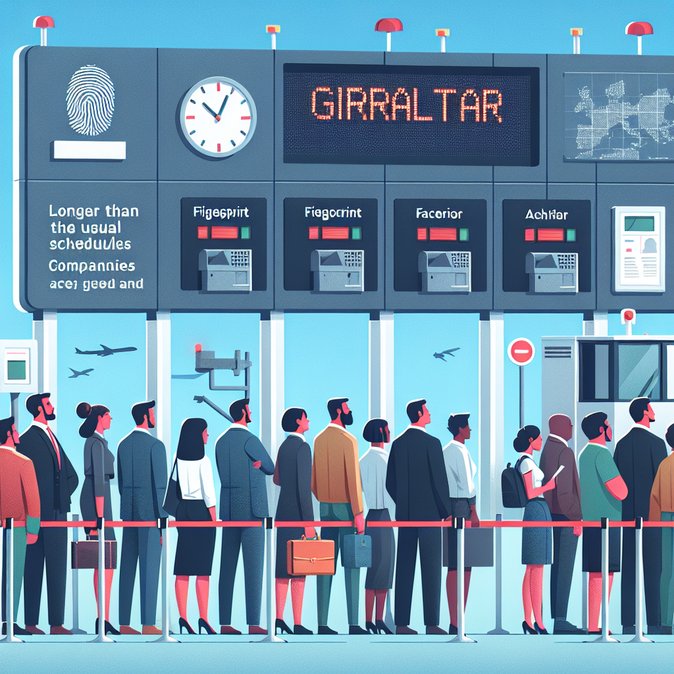
While ETIAS languishes, its sister project—the biometric Entry/Exit System (EES)—is powering ahead. According to the Interior Ministry, Spain will have 650 self-service kiosks and 400 automated e-gates in service across airports, seaports and the land border with Gibraltar before the Easter travel peak in April 2026. Non-EU travellers will give facial images and four fingerprints on first entry; the data will replace passport stamps and remain valid for three years.
![EU Pushes ETIAS Launch to Late 2026 While Spain Accelerates EES Roll-out]()
Amid these shifting dates, travellers and mobility managers looking for one-stop guidance can turn to VisaHQ. The platform’s Spain hub (https://www.visahq.com/spain/) consolidates real-time ETIAS and EES updates, sends deadline alerts, and offers concierge filing services that guard against phishing sites while streamlining group applications.
Business-travel consultants say the diverging timelines create a two-step compliance landscape. “From April you’ll queue for biometrics at the border (EES) but you won’t need to apply online in advance (ETIAS) until late 2026,” notes José-Luis Martín of Global Relocate Madrid. HR teams are already updating pre-trip checklists and advising staff to leave extra time—especially those connecting through Spain to Latin America or North Africa.
For global-mobility managers the key takeaway is sequencing: adjust travel-policy language to reflect that EES obligations start first, budget for ETIAS fees in 2027, and beware of unofficial ETIAS websites that have sprung up to harvest data and payment details. Spain’s Cybersecurity Institute warns phishing domains using “etias-spain” or “etias-visa” have multiplied since Christmas, targeting British and U.S. travellers in particular.
For Spain—one of the Schengen area’s busiest entry points—this means airlines, airports and corporate mobility teams have extra breathing room to adapt passenger-data flows and staff training to the new €20 permit. Madrid-Barajas and Barcelona-El Prat have already begun displaying warnings on their websites that boarding could eventually be denied without an approved ETIAS, but officials now say those pop-ups will remain “informational only” for at least another 18 months.
While ETIAS languishes, its sister project—the biometric Entry/Exit System (EES)—is powering ahead. According to the Interior Ministry, Spain will have 650 self-service kiosks and 400 automated e-gates in service across airports, seaports and the land border with Gibraltar before the Easter travel peak in April 2026. Non-EU travellers will give facial images and four fingerprints on first entry; the data will replace passport stamps and remain valid for three years.

Amid these shifting dates, travellers and mobility managers looking for one-stop guidance can turn to VisaHQ. The platform’s Spain hub (https://www.visahq.com/spain/) consolidates real-time ETIAS and EES updates, sends deadline alerts, and offers concierge filing services that guard against phishing sites while streamlining group applications.
Business-travel consultants say the diverging timelines create a two-step compliance landscape. “From April you’ll queue for biometrics at the border (EES) but you won’t need to apply online in advance (ETIAS) until late 2026,” notes José-Luis Martín of Global Relocate Madrid. HR teams are already updating pre-trip checklists and advising staff to leave extra time—especially those connecting through Spain to Latin America or North Africa.
For global-mobility managers the key takeaway is sequencing: adjust travel-policy language to reflect that EES obligations start first, budget for ETIAS fees in 2027, and beware of unofficial ETIAS websites that have sprung up to harvest data and payment details. Spain’s Cybersecurity Institute warns phishing domains using “etias-spain” or “etias-visa” have multiplied since Christmas, targeting British and U.S. travellers in particular.