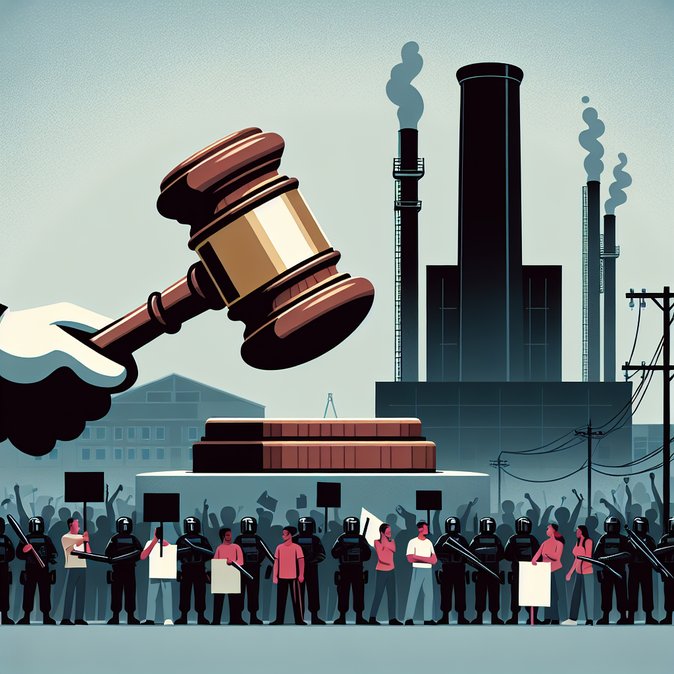
Tensions over the Trump administration’s massive “Operation Metro Surge” boiled over in Minneapolis on 17 January when several hundred demonstrators opposed to heightened immigration enforcement confronted a smaller pro-ICE rally outside City Hall. Video from local outlets shows counter-protesters chasing right-wing influencer Jake Lang and his supporters through downtown streets; Lang later posted photos from a hospital citing head wounds that required staples.
The confrontation comes as more than 2,000 federal officers have been deployed across the Twin Cities to execute outstanding removal orders and workplace warrants—an operation that has already sparked daily street protests, sporadic detentions near schools and a fatal shooting outside a Portland, Oregon hospital earlier in the month. Minnesota’s governor has placed the National Guard on standby but, so far, has not activated troops.
![Street clashes erupt in Minneapolis as pro- and anti-ICE rallies collide amid federal crackdown]()
For employers with facilities in Minneapolis–St Paul, the public disorder raises duty-of-care questions. Global mobility leads should brief relocated staff on potential transit disruptions, review corporate security coverage for demonstrations, and consider flexible work arrangements for international assignees who may feel targeted. Companies housing H-1B or TN workers in the metro area should also ensure they carry proof of lawful status, as officers have reportedly conducted document checks at commuter stops.
VisaHQ can be a valuable ally for companies coping with these uncertainties. Through its corporate portal (https://www.visahq.com/united-states/), the firm offers rapid visa renewals, status verifications, and emergency travel documentation, backed by dedicated account managers who stay on top of the latest enforcement trends. This support helps mobility teams keep foreign employees compliant and confident even as on-the-ground conditions shift.
Longer term, the aggressive enforcement posture could presage similar surge operations in other U.S. metros with growing immigrant populations such as Atlanta or Houston. Mobility teams should monitor local policy shifts and reinforce rapid-response protocols for employee detentions or site raids.
The confrontation comes as more than 2,000 federal officers have been deployed across the Twin Cities to execute outstanding removal orders and workplace warrants—an operation that has already sparked daily street protests, sporadic detentions near schools and a fatal shooting outside a Portland, Oregon hospital earlier in the month. Minnesota’s governor has placed the National Guard on standby but, so far, has not activated troops.

For employers with facilities in Minneapolis–St Paul, the public disorder raises duty-of-care questions. Global mobility leads should brief relocated staff on potential transit disruptions, review corporate security coverage for demonstrations, and consider flexible work arrangements for international assignees who may feel targeted. Companies housing H-1B or TN workers in the metro area should also ensure they carry proof of lawful status, as officers have reportedly conducted document checks at commuter stops.
VisaHQ can be a valuable ally for companies coping with these uncertainties. Through its corporate portal (https://www.visahq.com/united-states/), the firm offers rapid visa renewals, status verifications, and emergency travel documentation, backed by dedicated account managers who stay on top of the latest enforcement trends. This support helps mobility teams keep foreign employees compliant and confident even as on-the-ground conditions shift.
Longer term, the aggressive enforcement posture could presage similar surge operations in other U.S. metros with growing immigrant populations such as Atlanta or Houston. Mobility teams should monitor local policy shifts and reinforce rapid-response protocols for employee detentions or site raids.