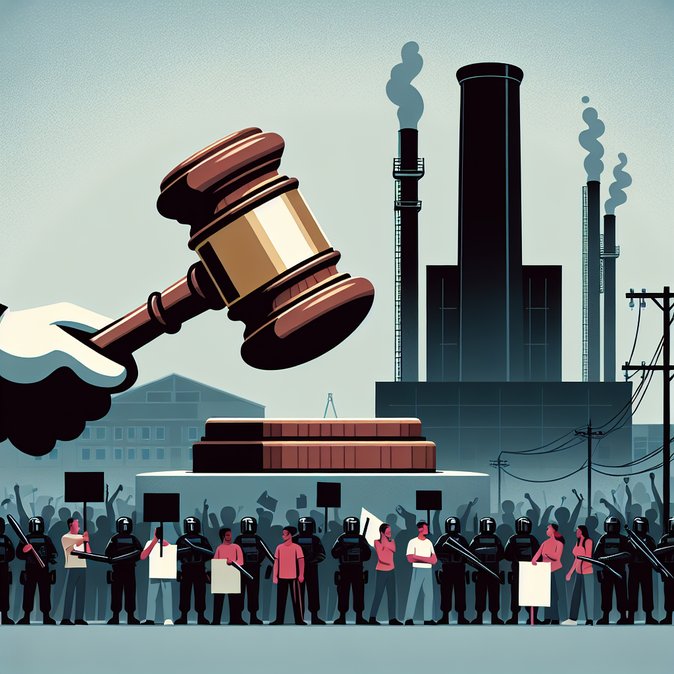
In a major civil-rights ruling, U.S. District Judge Katherine Menendez on 17 January issued a preliminary injunction prohibiting federal immigration agents operating under Operation Metro Surge from pepper-spraying, detaining or stopping peaceful observers at Minnesota protests. The 83-page order also blocks road-side stops of drivers absent reasonable suspicion of interference and requires body-camera activation during all crowd-control actions.
The case was brought by a coalition of community groups after multiple videos showed agents deploying OC spray and non-lethal rounds at bystanders documenting arrests. Judge Menendez—an appointee of President Biden—found that plaintiffs were likely to prevail on First-Amendment retaliation claims, citing “disturbing” evidence that officers followed activists to their homes.
![Federal judge bars immigration agents from using force against peaceful protesters in Minnesota]()
Practically, the injunction curtails some of the tactics ICE and CBP can use during the ongoing surge. Employers should expect a heavier reliance on database-driven workplace leads and Form I-9 audits, which fall outside the court’s scope. Companies in Minnesota should audit I-9 files and ensure that managers know how to respond to a Notice of Inspection.
For organizations navigating these shifting enforcement dynamics while coordinating international travel, VisaHQ can be an invaluable partner. Its user-friendly portal (https://www.visahq.com/united-states/) aggregates the latest U.S. visa requirements, document checklists, and application tracking tools, helping mobility teams keep cross-border assignments on schedule even as compliance landscapes evolve.
The order could have broader implications for future enforcement surges if other federal courts adopt similar standards. Mobility stakeholders should track whether DHS revises its crowd-management policies or appeals to the Eighth Circuit, as the outcome may shape risk assessments for employee rallies and public demonstrations nationwide.
The case was brought by a coalition of community groups after multiple videos showed agents deploying OC spray and non-lethal rounds at bystanders documenting arrests. Judge Menendez—an appointee of President Biden—found that plaintiffs were likely to prevail on First-Amendment retaliation claims, citing “disturbing” evidence that officers followed activists to their homes.

Practically, the injunction curtails some of the tactics ICE and CBP can use during the ongoing surge. Employers should expect a heavier reliance on database-driven workplace leads and Form I-9 audits, which fall outside the court’s scope. Companies in Minnesota should audit I-9 files and ensure that managers know how to respond to a Notice of Inspection.
For organizations navigating these shifting enforcement dynamics while coordinating international travel, VisaHQ can be an invaluable partner. Its user-friendly portal (https://www.visahq.com/united-states/) aggregates the latest U.S. visa requirements, document checklists, and application tracking tools, helping mobility teams keep cross-border assignments on schedule even as compliance landscapes evolve.
The order could have broader implications for future enforcement surges if other federal courts adopt similar standards. Mobility stakeholders should track whether DHS revises its crowd-management policies or appeals to the Eighth Circuit, as the outcome may shape risk assessments for employee rallies and public demonstrations nationwide.