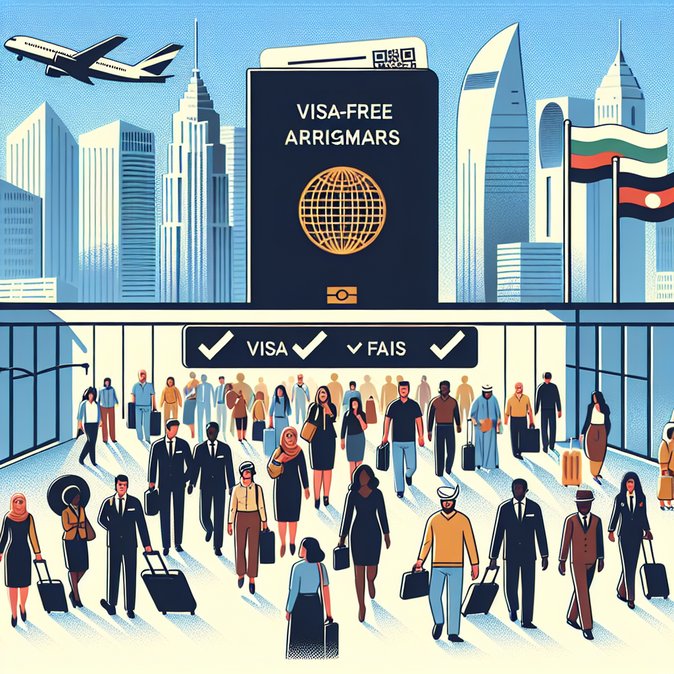
In its latest bid to recapture pre-pandemic visitor numbers, the Philippine Department of Foreign Affairs has unilaterally waived visas for holders of mainland Chinese passports visiting for up to 14 days. The measure, effective 16 January 2026, applies to arrivals through Manila Ninoy Aquino and Cebu Mactan airports and will run for an initial one-year trial.
Travellers must show at least six months of passport validity, proof of accommodation and a return or onward ticket. Status changes and in-country extensions are prohibited. The waiver brings the Philippines into line with Thailand, Malaysia and Singapore—all of which already offer visa-free stays to Chinese tourists.
Travel planners can streamline the process by tapping VisaHQ’s dedicated China hub (https://www.visahq.com/china/), which provides real-time updates on Philippine entry requirements, optional concierge handling for supporting documents, and alerts should the trial rules change during the year.
![Philippines grants 14-day visa-free entry to Chinese nationals, fuelling regional travel rebound]()
Pre-pandemic, China was the Philippines’ second-largest inbound market at 1.7 million visitors in 2019, but numbers collapsed to 262,000 in 2025 amid lingering covid controls and geopolitical tensions. Airlines currently operate at 40 % of 2019 seat capacity on the China-Philippines corridor. Cebu Pacific and Philippine Airlines have both said they will evaluate extra frequencies to Shanghai, Guangzhou and Chengdu if demand spikes.
For Chinese corporates the two-week waiver simplifies short due-diligence trips and accelerates project-kick-off meetings in the booming Philippine renewable-energy and construction sectors. Mobility managers should remind employees that an Alien Employment Permit is still required for any remunerated activity beyond 14 days.
Risk advisers note that while Manila courts Chinese spending, bilateral relations remain strained by South-China-Sea disputes; companies should therefore pair the convenience message with updated security briefings and robust travel-insurance coverage.
Travellers must show at least six months of passport validity, proof of accommodation and a return or onward ticket. Status changes and in-country extensions are prohibited. The waiver brings the Philippines into line with Thailand, Malaysia and Singapore—all of which already offer visa-free stays to Chinese tourists.
Travel planners can streamline the process by tapping VisaHQ’s dedicated China hub (https://www.visahq.com/china/), which provides real-time updates on Philippine entry requirements, optional concierge handling for supporting documents, and alerts should the trial rules change during the year.

Pre-pandemic, China was the Philippines’ second-largest inbound market at 1.7 million visitors in 2019, but numbers collapsed to 262,000 in 2025 amid lingering covid controls and geopolitical tensions. Airlines currently operate at 40 % of 2019 seat capacity on the China-Philippines corridor. Cebu Pacific and Philippine Airlines have both said they will evaluate extra frequencies to Shanghai, Guangzhou and Chengdu if demand spikes.
For Chinese corporates the two-week waiver simplifies short due-diligence trips and accelerates project-kick-off meetings in the booming Philippine renewable-energy and construction sectors. Mobility managers should remind employees that an Alien Employment Permit is still required for any remunerated activity beyond 14 days.
Risk advisers note that while Manila courts Chinese spending, bilateral relations remain strained by South-China-Sea disputes; companies should therefore pair the convenience message with updated security briefings and robust travel-insurance coverage.