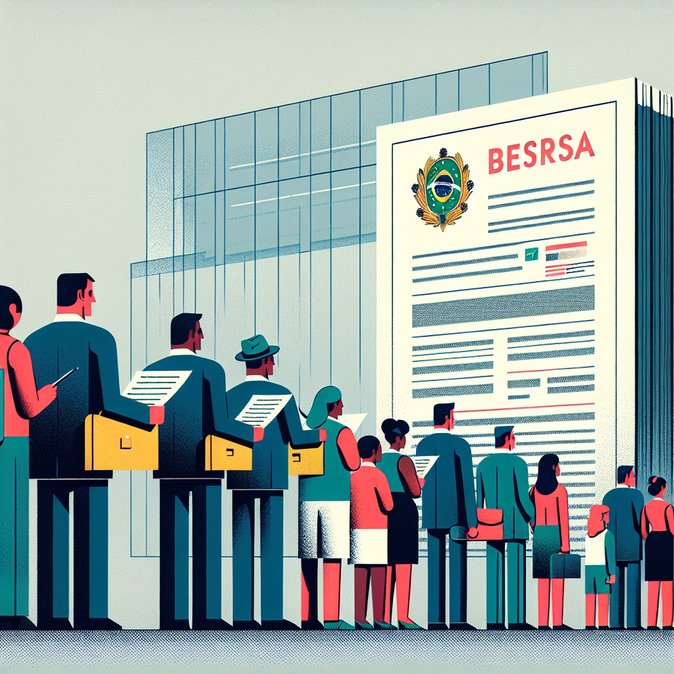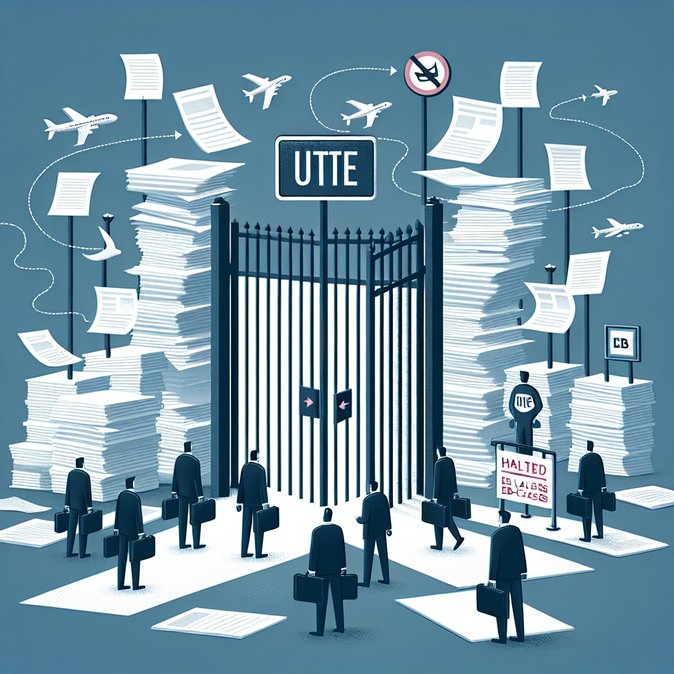
Brazilian mobility managers woke up on 17 January to one of the sharpest U-turns in United States immigration policy in years. A State-Department cable—released late on 15 January—orders consular sections worldwide to stop printing new immigrant visas (green-card Foils) for citizens of 75 countries, including Brazil, as of 00:01 EST on 21 January. Non-immigrant categories such as B-1/B-2, F-1, J-1, L-1 and H-1B remain open, but every employment-based or family-based permanent-residence case will be “held in suspense” until the review is completed.(visahq.com)
For multinationals that run intra-company transfer pipelines out of São Paulo and Rio de Janeiro, the pause lands at the worst possible time. Hundreds of Brazilian executives expect to activate EB-1C or EB-2 visas before U.S. fiscal-year quotas reset in October. Human-resources teams must now scramble to extend L-1 or H-1B status, negotiate PERM-based timing, or even relocate talent to Canada and Mexico whilst waiting for clarity.
U.S. officials justify the suspension as part of a broad “public-charge” review aimed at preventing future immigrants from relying on government benefits. Critics—from the Cato Institute to the Brazilian Foreign Ministry—counter that most employment-based immigrants already meet stringent self-sufficiency tests. They also note that the blanket approach disproportionately affects large emerging-market economies such as Brazil, India and Nigeria, where green-card demand is highest.
![U.S. freeze on immigrant-visa issuance jolts Brazilian mobility programs]()
Amid this uncertainty, VisaHQ’s Brazil portal (https://www.visahq.com/brazil/) can streamline the search for viable alternatives. The platform aggregates the latest consular alerts, offers step-by-step guidance on extending non-immigrant statuses like L-1 or H-1B, and connects employers with specialists who can fast-track permits for Canada, Mexico and other fallback destinations.
Practically, Brazilian assignees already scheduled for consular interviews after 21 January should still attend; officers will collect documents but not issue visas. Travellers holding printed immigrant visas may still enter the United States, provided their Foils were endorsed before the cut-off. Companies are advised to audit expiry dates, file I-131 Advance Parole extensions for adjustment-of-status applicants inside the U.S., and brief transferees on contingency plans.
Brazil’s government has lodged a formal diplomatic protest but stopped short of reciprocal action. Mobility advisors nevertheless warn that renewed talk of “tit-for-tat” visa fees could emerge if the freeze drags on for months.
For multinationals that run intra-company transfer pipelines out of São Paulo and Rio de Janeiro, the pause lands at the worst possible time. Hundreds of Brazilian executives expect to activate EB-1C or EB-2 visas before U.S. fiscal-year quotas reset in October. Human-resources teams must now scramble to extend L-1 or H-1B status, negotiate PERM-based timing, or even relocate talent to Canada and Mexico whilst waiting for clarity.
U.S. officials justify the suspension as part of a broad “public-charge” review aimed at preventing future immigrants from relying on government benefits. Critics—from the Cato Institute to the Brazilian Foreign Ministry—counter that most employment-based immigrants already meet stringent self-sufficiency tests. They also note that the blanket approach disproportionately affects large emerging-market economies such as Brazil, India and Nigeria, where green-card demand is highest.

Amid this uncertainty, VisaHQ’s Brazil portal (https://www.visahq.com/brazil/) can streamline the search for viable alternatives. The platform aggregates the latest consular alerts, offers step-by-step guidance on extending non-immigrant statuses like L-1 or H-1B, and connects employers with specialists who can fast-track permits for Canada, Mexico and other fallback destinations.
Practically, Brazilian assignees already scheduled for consular interviews after 21 January should still attend; officers will collect documents but not issue visas. Travellers holding printed immigrant visas may still enter the United States, provided their Foils were endorsed before the cut-off. Companies are advised to audit expiry dates, file I-131 Advance Parole extensions for adjustment-of-status applicants inside the U.S., and brief transferees on contingency plans.
Brazil’s government has lodged a formal diplomatic protest but stopped short of reciprocal action. Mobility advisors nevertheless warn that renewed talk of “tit-for-tat” visa fees could emerge if the freeze drags on for months.