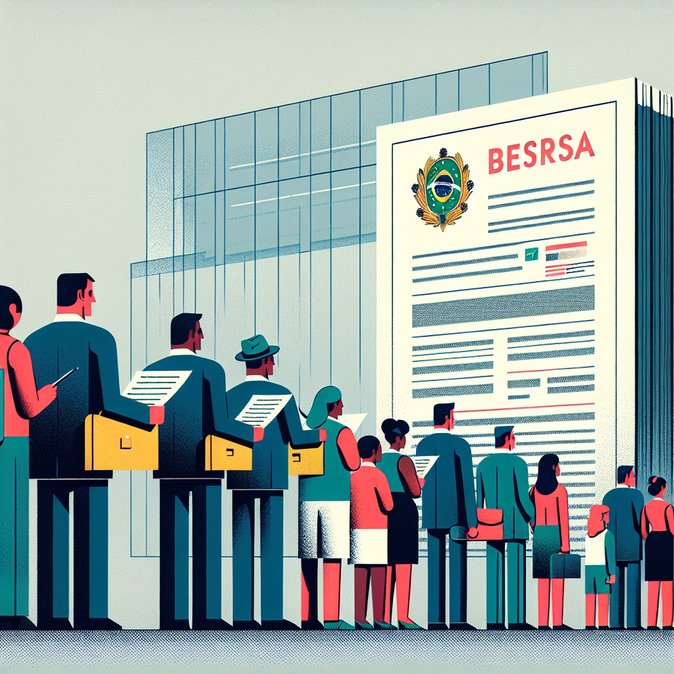
Without fanfare, Inter-ministerial Ordinance 14/2025—effective 1 January but publicised only on 16–17 January—wipes out the patchwork of humanitarian-visa programmes that Brazil created over the past decade for Afghans, Haitians, Ukrainians and others. In their place, the Justice and Foreign Affairs ministries may, by simple decree, publish a rolling list of nationalities eligible for a single humanitarian-visa framework.(visahq.com)
Because no eligibility list has yet been published, the practical result is an immediate filing freeze. Consulates cannot accept new applications, and Brazil’s SEI/MigranteWeb portal will not generate protocol numbers. NGOs assisting Afghan and Haitian applicants report dozens of family-reunification cases stranded mid-process.
Organisations and individuals scrambling to adjust plans can lean on specialist providers for up-to-date support. VisaHQ, for example, tracks every shift in Brazil’s visa policies and posts real-time alerts on its Brazil hub (https://www.visahq.com/brazil/). The service can pre-screen documents, flag alternative categories—such as Mercosur or standard work permits—and help employers or families pivot quickly once the new humanitarian-eligibility list drops.
![Brazil scraps nationality-specific humanitarian visas, leaving filings on hold]()
For employers, the bigger risk is secondary: many humanitarian-visa holders move quickly into the labour market under residence permits that exempt them from quota and labour-market-testing rules. A prolonged gap in approvals could tighten local talent pools just as Brazil prepares for an infrastructure-heavy investment cycle tied to the 2027 Pan-American Games.
Officials insist the change is procedural and that an initial eligibility list will be released “within weeks”. Yet civil-society groups fear the new regime could become a political tool, expanded or curtailed by executive whim. They urge companies employing humanitarian-status staff to help affected workers renew their CRNM cards early and to monitor policy updates daily.
Immigration lawyers recommend contingency planning: transfer eligible staff to Mercosur or work-permit categories, and build extra lead-time into onboarding schedules until the new list is published.
Because no eligibility list has yet been published, the practical result is an immediate filing freeze. Consulates cannot accept new applications, and Brazil’s SEI/MigranteWeb portal will not generate protocol numbers. NGOs assisting Afghan and Haitian applicants report dozens of family-reunification cases stranded mid-process.
Organisations and individuals scrambling to adjust plans can lean on specialist providers for up-to-date support. VisaHQ, for example, tracks every shift in Brazil’s visa policies and posts real-time alerts on its Brazil hub (https://www.visahq.com/brazil/). The service can pre-screen documents, flag alternative categories—such as Mercosur or standard work permits—and help employers or families pivot quickly once the new humanitarian-eligibility list drops.

For employers, the bigger risk is secondary: many humanitarian-visa holders move quickly into the labour market under residence permits that exempt them from quota and labour-market-testing rules. A prolonged gap in approvals could tighten local talent pools just as Brazil prepares for an infrastructure-heavy investment cycle tied to the 2027 Pan-American Games.
Officials insist the change is procedural and that an initial eligibility list will be released “within weeks”. Yet civil-society groups fear the new regime could become a political tool, expanded or curtailed by executive whim. They urge companies employing humanitarian-status staff to help affected workers renew their CRNM cards early and to monitor policy updates daily.
Immigration lawyers recommend contingency planning: transfer eligible staff to Mercosur or work-permit categories, and build extra lead-time into onboarding schedules until the new list is published.