IRCC quietly launches one-time TR-to-PR pathway for 33,000 temporary workers
Poland creates 90-day low-altitude exclusion zone along the Ukrainian and Belarusian borders
Emirates restarts Dubai operations after brief missile-debris shutdown
Latest News

Portugal ends postal submissions: Brazilian visa-seekers must appear in person from April 17
From 17 April 2026 Brazilians will no longer be able to mail Portuguese visa applications; personal attendance at a VFS centre or consulate becomes compulsory. Lisbon says the shift will curb fraud and speed processing, but it adds travel costs and scheduling complexity for Brazilian students, workers and companies moving staff to Portugal.
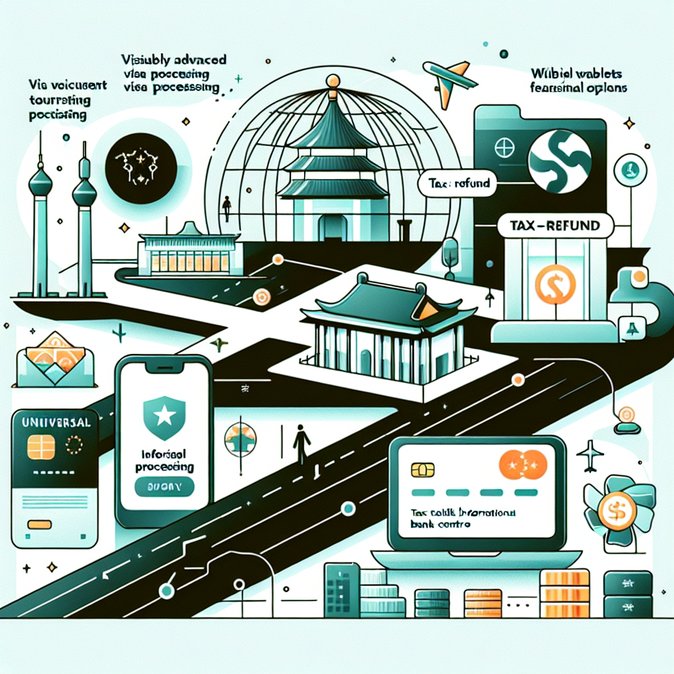
China Pledges ‘One-Stop’ Visa and Payment Upgrades to Woo More Foreign Visitors
China’s Minister of Culture and Tourism outlined a multi-year plan to expand visa-free access, digitise entry cards, integrate foreign bank cards with mobile wallets and beef up tax-refund facilities. The strategy aims to convert strong pent-up demand—150 million inbound trips in 2025—into sustained growth by eliminating pain-points for tourists and business travellers. Mobility managers should expect faster visa processing, wider transit options and easier payments starting this year.

Ireland Raises Minimum Salary Thresholds for All Employment Permit Categories
Ireland has lifted the minimum salary levels for all employment-permit categories, effective 1 March 2026. The GEP threshold is now €36,605 and the CSEP floor €40,904, with further annual increases planned through 2030. Employers must raise advertised salaries, update payroll systems and budget for higher total-compensation costs, or risk permit refusals and project delays.

Australia launches nationwide reforms to slash visa processing times
From 6 March 2026, Australia has imposed strict service-level targets and rolled out AI-assisted case triage across major visa categories, promising to cut months off processing times. Real-time tracking and a single digital portal aim to give businesses and universities the certainty they have lacked since the pandemic-era backlogs. Faster decisions should boost Australia’s competitiveness for talent, but incomplete files risk being refused more quickly.

Vienna issues Level-4 ‘Do Not Travel’ warning for entire Middle-East and accelerates repatriation flights
Austria has raised its travel advice for the entire Middle-East region to Level-4 (‘Do Not Travel’) and is running EU-backed charter flights from Muscat and Riyadh to bring citizens home. Firms must update duty-of-care plans, ensure evacuees have valid EU documents and anticipate a rise in temporary residence filings on arrival in Austria.
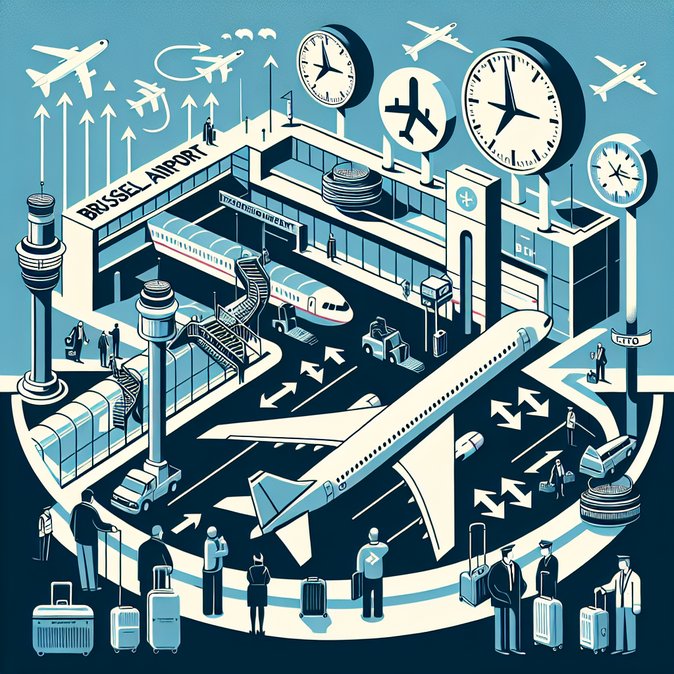
Brussels Airport tells passengers “no departures” on 12 March as nationwide strike looms
Brussels Airport has pre-emptively cancelled all outbound passenger flights on 12 March 2026 because a nationwide strike will deprive the hub of security and ground-handling staff. The move will disrupt tens of thousands of travellers and force airlines and corporate travel departments to reroute or reschedule trips, while EU261 duty-of-care obligations remain in force even though compensation is unlikely.

Swiss Foreign Ministry Tells Citizens in Middle-East ‘Travel Abroad at Your Own Risk’
The FDFA used unusually direct language on 7 March, telling Swiss citizens still in the Middle East that assistance will be “a last resort” and that travellers must shoulder primary responsibility. A special SWISS flight evacuated 211 people from Oman, but Zurich says further operations are not guaranteed. Firms sending staff to the region face higher duty-of-care exposure and should update contingency plans.
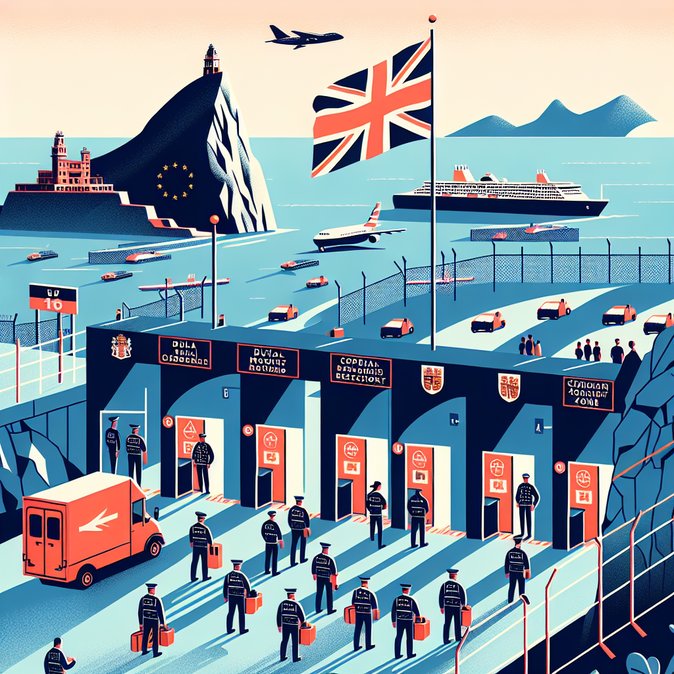
Gibraltar Treaty Clears Path for Spanish Border Guards But Keeps Free Flow
A new UK-EU-Spain treaty will place Spanish border officers at Gibraltar’s entry points and scrap the physical fence, giving the territory Schengen-style free movement while preserving its British status. The change should ease daily commutes for 15,000 workers and streamline corporate travel, but companies must prepare for dual document checks and possible social-security impacts.

U.S. appeals court blocks attempt to end Temporary Protected Status for 350,000 Haitians
The D.C. Circuit upheld an injunction that keeps Temporary Protected Status in place for some 350,000 Haitians, blocking the Trump administration’s effort to revoke the program. TPS holders keep their work permits and protection from deportation, giving U.S. employers and Haitian families at least several more months of stability. The administration is expected to appeal, but any Supreme Court review would likely occur late this year or early next year.
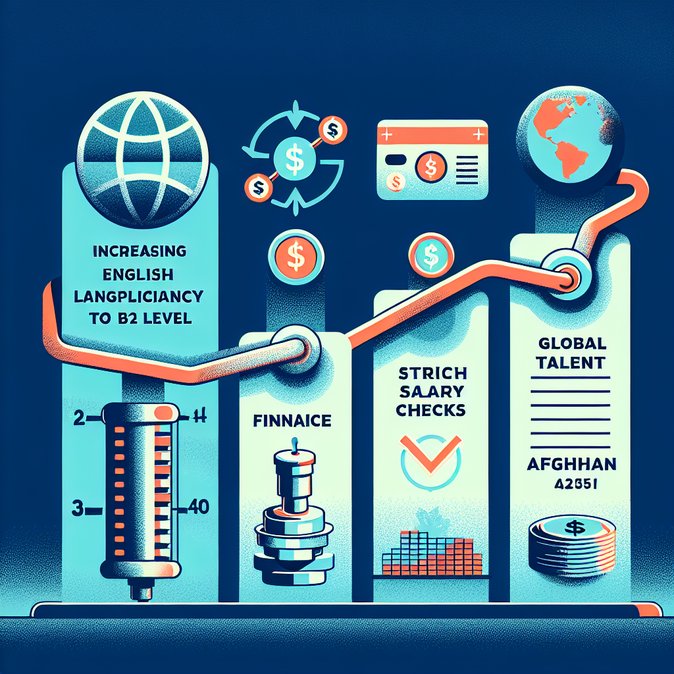
March 2026 Statement of Changes overhauls English-language and salary rules for business visas
The Home Office’s March 2026 Immigration Rule changes raise the settlement English-language bar to B2, impose strict pay-cycle salary checks on Skilled-Worker sponsors, extend Global Talent and apply a ‘visa brake’ to Afghan applicants. Employers must upgrade payroll monitoring and reassess long-term settlement planning before the first provisions bite on 26 March 2026.

Canada temporarily halts deportations to Israel and Lebanon amid regional conflict
CBSA has paused all removals to Israel and Lebanon under an Administrative Deferral of Removals, citing escalating regional violence. The freeze gives affected foreign nationals more time to extend status in Canada and forces employers to revisit compliance strategies for staff originally slated for removal.

France to Raise Immigration and Naturalisation Fees on 1 May 2026
A decree implementing France’s 2026 Budget Law will sharply raise most immigration and citizenship fees on 1 May 2026. First-time residence permits will cost €300 and naturalisation tax-stamps jump from €55 to €255. Employers should fast-track filings and adjust mobility budgets to absorb the increases.

Poland starts phasing out special benefits for Ukrainian refugees under new 5 March legislation
Emergency benefits for Ukrainian refugees—such as free housing and meals—ended on 5 March 2026. Guidance issued by IOM Poland on 6 March confirms that while PESEL UKR holders keep work and healthcare rights until March 2027, many cash allowances are now means-tested and accommodation will be charged at market rates. Employers of Ukrainian nationals must review contracts and support staff through the transition.

Indian Embassy in Qatar tells stranded short-term visitors to self-register as flights remain disrupted
The Indian Embassy in Doha has asked Indian tourists and short-term visitors stranded in Qatar since 28 February to fill out a new online form so officials can gauge numbers and plan assistance. The move comes amid continuing flight suspensions caused by the Iran–Israel conflict. Businesses should track and support employees in Qatar until evacuation flights resume.

UAE issues detailed 7 March flight bulletin: limited schedules, free rebooking and refunds
A Gulf News special bulletin lists which UAE flights are operating on 7 March and details each carrier’s waiver and refund rules. Only passengers with reconfirmed tickets will be admitted to airports, but free date changes and full refunds are available across Emirates, Etihad, flydubai and Air Arabia. The guidance helps corporates re-sequence travel while airspace restrictions unwind.
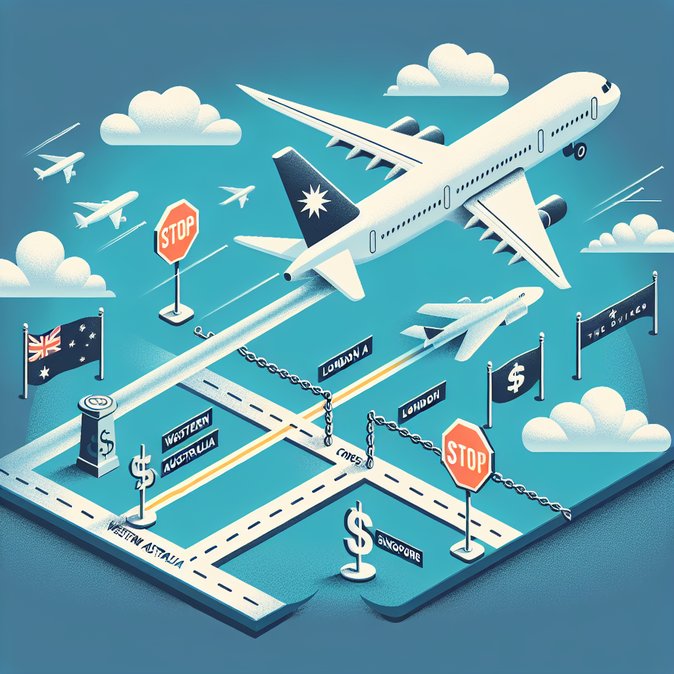
Middle-East airspace closures force Qantas and other carriers into costly detours
Airspace bans tied to the Iran conflict have slashed Gulf traffic, forcing Qantas’s non-stop Perth–London flight and dozens of other Australia-Europe services to route south via Singapore. Longer tracks raise fuel bills and squeeze already scarce aircraft, meaning higher fares and longer journeys for Australian business travellers until the Middle-East skies reopen.

Austria rallies EU partners behind offshore return-centre plan for asylum seekers
Austria has formally gathered a group of seven EU states to develop offshore “return centres” that would process asylum claims outside the Union. Interior Minister Gerhard Karner says a pilot facility could open in 2027 in a partner country such as Albania or Tunisia. The plan could lengthen document checks for travellers and marks another shift towards hardened external borders, so companies should monitor how connecting times and carrier liability rules evolve.