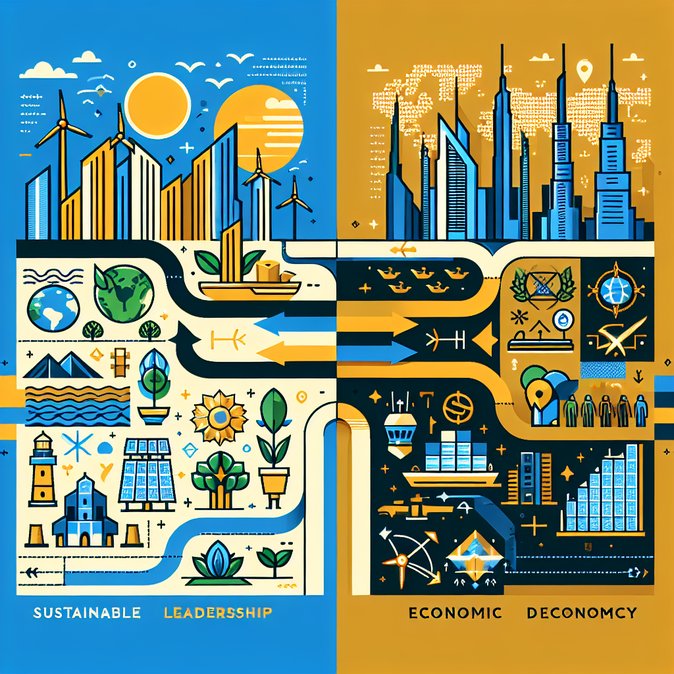
Dubai’s long-term residency toolbox is getting sharper. A Gulf News deep-dive published on 18 January contrasts the emirate’s two flagship programmes: the Golden Visa—already familiar to investors, entrepreneurs and highly skilled professionals—and the newer Blue Visa aimed at environmental innovators and sustainability champions. (gulfnews.com)
Both visas grant renewable 10-year residency but target different strategic objectives. The Golden Visa broadens Dubai’s economic base by anchoring capital and expertise, offering pathways via real-estate investment (minimum AED 2 million), high-salary employment (AED 30,000+), or recognised achievement in science and the arts. Since 2019 more than 150,000 Golden Visas have been issued.
VisaHQ’s dedicated UAE desk can streamline both Golden and Blue Visa applications, guiding applicants through eligibility checks, document gathering and appointment scheduling—minimising guesswork and costly delays. Their online portal (https://www.visahq.com/united-arab-emirates/) also tracks status updates in real time, making it a convenient one-stop resource for HR teams managing multiple candidates.
![Dubai’s Blue and Golden Visas Offer Two 10-Year Pathways for Global Talent]()
The Blue Visa, announced during COP28 and launched this month, serves the UAE’s Net-Zero 2050 agenda. Eligibility hinges on demonstrable environmental impact—think founders of eco-start-ups, NGOs, award-winning scientists or corporate decarbonisation leaders. There is no fixed salary or investment threshold; the currency is proven sustainability credentials.
For mobility planners the key message is optionality. Multinationals can now offer green-focused employees a residency route aligned with both corporate ESG goals and the UAE’s climate ambitions, while still relying on the Golden Visa for broader talent pools. The article notes that Blue-Visa holders may receive priority access to government-backed green-tech incubators and procurement opportunities.
Companies should update talent-mobility policies to include Blue-Visa criteria, especially for roles in energy transition, waste management or climate-tech R&D. Early movers stand to enhance retention and brand reputation in a competitive labour market.
Both visas grant renewable 10-year residency but target different strategic objectives. The Golden Visa broadens Dubai’s economic base by anchoring capital and expertise, offering pathways via real-estate investment (minimum AED 2 million), high-salary employment (AED 30,000+), or recognised achievement in science and the arts. Since 2019 more than 150,000 Golden Visas have been issued.
VisaHQ’s dedicated UAE desk can streamline both Golden and Blue Visa applications, guiding applicants through eligibility checks, document gathering and appointment scheduling—minimising guesswork and costly delays. Their online portal (https://www.visahq.com/united-arab-emirates/) also tracks status updates in real time, making it a convenient one-stop resource for HR teams managing multiple candidates.

The Blue Visa, announced during COP28 and launched this month, serves the UAE’s Net-Zero 2050 agenda. Eligibility hinges on demonstrable environmental impact—think founders of eco-start-ups, NGOs, award-winning scientists or corporate decarbonisation leaders. There is no fixed salary or investment threshold; the currency is proven sustainability credentials.
For mobility planners the key message is optionality. Multinationals can now offer green-focused employees a residency route aligned with both corporate ESG goals and the UAE’s climate ambitions, while still relying on the Golden Visa for broader talent pools. The article notes that Blue-Visa holders may receive priority access to government-backed green-tech incubators and procurement opportunities.
Companies should update talent-mobility policies to include Blue-Visa criteria, especially for roles in energy transition, waste management or climate-tech R&D. Early movers stand to enhance retention and brand reputation in a competitive labour market.