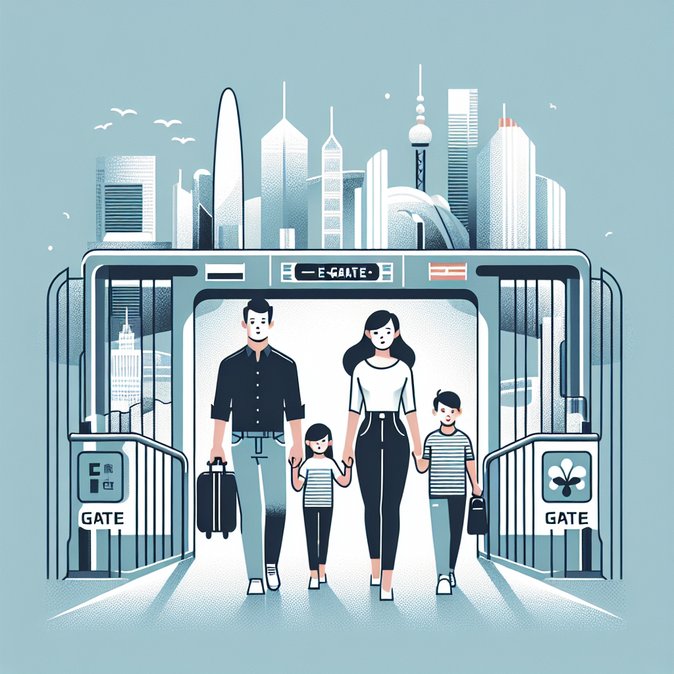
From Monday 19 January 2026 the minimum age for using automated immigration e-Channels in Hong Kong and Macao will drop from 11 to seven, allowing primary-school children with permanent ID cards to clear the border without manual inspection (visahq.com). The policy is a joint initiative between Hong Kong’s Immigration Department and Macao’s Public Security Police Force and is part of the Greater Bay Area plan to create a "one-hour living circle".
More than 43 million passenger trips crossed the Hong Kong–Macao border in 2025, almost one-fifth involving travelers under 18 (visahq.com). Officials estimate the younger e-Channel threshold will shave about five minutes off clearance time for each family at peak periods and reduce queues at the Hong Kong-Zhuhai-Macao Bridge and main ferry terminals.
Travel planners who still need help navigating Mainland Chinese, Hong Kong, or Macao visa requirements can tap VisaHQ’s one-stop platform: the company’s China desk (https://www.visahq.com/china/) streamlines paperwork, schedules consular appointments, and tracks applications in real time—handy services for parents now enjoying faster e-Channel clearance but still juggling multiple travel documents.
![Hong Kong & Macao cut automated-gate age to seven, easing family commutes]()
Non-permanent residents are also winners: Hong Kong ID holders using the Document of Identity can now register at self-service kiosks instead of queuing at registration offices, while Macao will mirror the flexibility for its residents heading north. Biometric data remain siloed in each jurisdiction to calm privacy concerns.
For multinationals with staff who live on one side of the estuary and work on the other, the change removes a nagging pain-point—children previously required manual processing, complicating school-run routines and weekend travel. HR teams should brief relocating families to enrol their children early, as kiosks are expected to be busy in the first weeks.
Immigration authorities hint that deeper integration with Mainland e-gates could follow, signalling even smoother cross-border commutes within the Guangdong-Hong Kong-Macao cluster.
More than 43 million passenger trips crossed the Hong Kong–Macao border in 2025, almost one-fifth involving travelers under 18 (visahq.com). Officials estimate the younger e-Channel threshold will shave about five minutes off clearance time for each family at peak periods and reduce queues at the Hong Kong-Zhuhai-Macao Bridge and main ferry terminals.
Travel planners who still need help navigating Mainland Chinese, Hong Kong, or Macao visa requirements can tap VisaHQ’s one-stop platform: the company’s China desk (https://www.visahq.com/china/) streamlines paperwork, schedules consular appointments, and tracks applications in real time—handy services for parents now enjoying faster e-Channel clearance but still juggling multiple travel documents.

Non-permanent residents are also winners: Hong Kong ID holders using the Document of Identity can now register at self-service kiosks instead of queuing at registration offices, while Macao will mirror the flexibility for its residents heading north. Biometric data remain siloed in each jurisdiction to calm privacy concerns.
For multinationals with staff who live on one side of the estuary and work on the other, the change removes a nagging pain-point—children previously required manual processing, complicating school-run routines and weekend travel. HR teams should brief relocating families to enrol their children early, as kiosks are expected to be busy in the first weeks.
Immigration authorities hint that deeper integration with Mainland e-gates could follow, signalling even smoother cross-border commutes within the Guangdong-Hong Kong-Macao cluster.