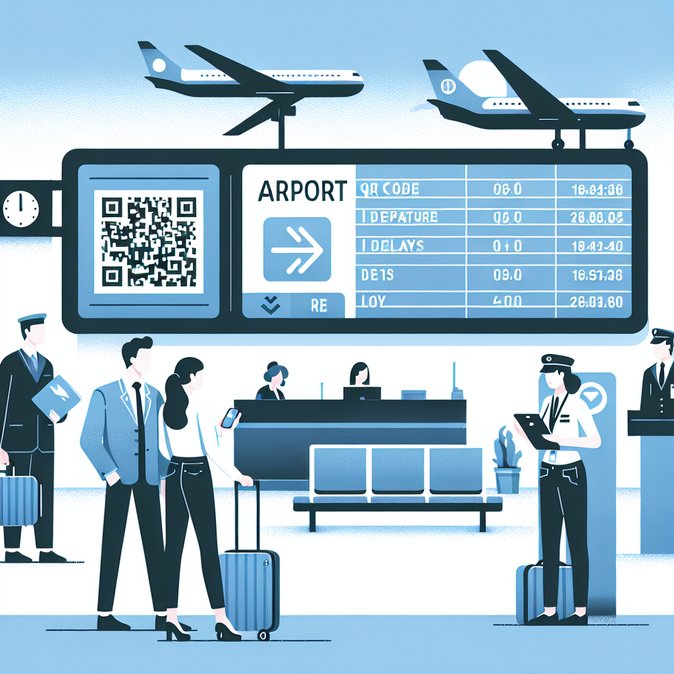
Corporate travel managers have just two weeks to prepare for Brazil’s latest digital-governance leap. The Federal Police confirmed that from 31 January 2026 airlines must verify each departing passenger’s QR-code identity on the gov.br platform. Travellers—citizens and foreign residents alike—who rely on paper protocols or old RNM cards risk manual check-in, secondary screening or denied boarding.
The change is part of a broader migration of immigration databases to the government’s single sign-on ecosystem. Early pilots at São Paulo/Guarulhos saw QR-code scans drop processing time to 25 seconds, versus roughly two minutes when staff typed passport data. Airlines therefore support the move but warn of teething problems as passengers unfamiliar with the app clog queues.
![From 31 January, gov.br Digital ID Becomes Mandatory at Brazilian Airports]()
For organisations that prefer to outsource this compliance maze, VisaHQ offers end-to-end assistance with Brazilian travel documentation, from registering QR-code identities to arranging visa renewals and residence-card updates. Their dedicated Brazil page (https://www.visahq.com/brazil/) lets employers track application status in real time and receive alerts on policy shifts—helping travel managers keep crews moving without last-minute surprises.
Employers should audit all assignees immediately. Executives must download the gov.br app, upgrade accounts to at least “Prata” level and scan their National Identity Card. Foreigners without Brazilian ID can create a guest profile but should expect extra verification until systems stabilise.
Because the same portal now hosts appointment bookings, applicants awaiting residence-card renewals should save screenshots of their protocol barcodes before 30 January; after cut-over only the gov.br dashboard will display status. Failure to act could strand high-value staff at the gate and expose firms to costly re-ticketing or missed project deadlines.
The change is part of a broader migration of immigration databases to the government’s single sign-on ecosystem. Early pilots at São Paulo/Guarulhos saw QR-code scans drop processing time to 25 seconds, versus roughly two minutes when staff typed passport data. Airlines therefore support the move but warn of teething problems as passengers unfamiliar with the app clog queues.
For organisations that prefer to outsource this compliance maze, VisaHQ offers end-to-end assistance with Brazilian travel documentation, from registering QR-code identities to arranging visa renewals and residence-card updates. Their dedicated Brazil page (https://www.visahq.com/brazil/) lets employers track application status in real time and receive alerts on policy shifts—helping travel managers keep crews moving without last-minute surprises.
Employers should audit all assignees immediately. Executives must download the gov.br app, upgrade accounts to at least “Prata” level and scan their National Identity Card. Foreigners without Brazilian ID can create a guest profile but should expect extra verification until systems stabilise.
Because the same portal now hosts appointment bookings, applicants awaiting residence-card renewals should save screenshots of their protocol barcodes before 30 January; after cut-over only the gov.br dashboard will display status. Failure to act could strand high-value staff at the gate and expose firms to costly re-ticketing or missed project deadlines.
More From Brazil
View all
Brazil’s Federal Police Begins Daily Publication of Residency-Loss Notices, Signalling Compliance Crackdown

EU–Mercosur Agreement Signed: Mobility Chapter Promises Priority Visas for Brazilian and European Executives