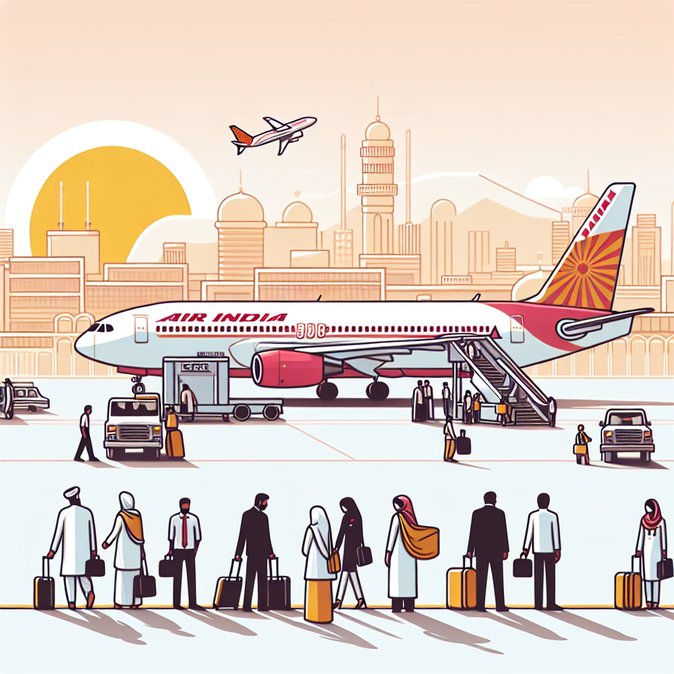
With protests and security crackdowns intensifying across Iran, India’s Ministry of External Affairs (MEA) late on 14 January escalated its guidance from ‘exercise caution’ to a full ‘do not travel’ advisory. In the same notice the MEA urged Indians currently in Iran to leave “at the earliest opportunity.” Within hours, officials confirmed that a chartered Air India wide-body will depart Tehran for Delhi on 16 January to airlift citizens unable to secure commercial seats after multiple airlines suspended operations.
Roughly 4,800 Indian nationals—many of them project engineers in Iran’s oil sector and students enrolled at Shiraz and Tehran Universities—could be affected. The Indian Embassy in Tehran has opened a 24-hour helpline and is compiling priority passenger lists, placing families with children, the elderly and those with medical conditions at the top.
![India Issues Strong ‘Do Not Travel’ Advisory for Iran, Schedules Special Evacuation Flight]()
For Indian travellers scrambling to alter itineraries or secure onward permissions, VisaHQ can help streamline the paperwork. Its digital platform (https://www.visahq.com/india/) delivers real-time visa intelligence, manages expedited processing where consular windows remain open, and assigns case managers who coordinate documentation—freeing travellers and corporates to focus on safety and logistics.
Corporates with personnel on assignment in Iran have activated emergency-response protocols, including real-time location tracking and contingency payroll arrangements in case salary disbursements are interrupted by banking restrictions. Multinationals have also been reminded to review kidnap-and-ransom coverage; premiums for the region have already spiked 18 percent quarter-on-quarter, according to insurance brokers.
The advisory marks the first time since the 2020 pandemic repatriation flights that India has organised a country-specific evacuation. It serves as a critical reminder that global mobility teams must maintain updated employee manifests, cross-border medical insurance and exit-route mapping for all high-risk locations.
Roughly 4,800 Indian nationals—many of them project engineers in Iran’s oil sector and students enrolled at Shiraz and Tehran Universities—could be affected. The Indian Embassy in Tehran has opened a 24-hour helpline and is compiling priority passenger lists, placing families with children, the elderly and those with medical conditions at the top.

For Indian travellers scrambling to alter itineraries or secure onward permissions, VisaHQ can help streamline the paperwork. Its digital platform (https://www.visahq.com/india/) delivers real-time visa intelligence, manages expedited processing where consular windows remain open, and assigns case managers who coordinate documentation—freeing travellers and corporates to focus on safety and logistics.
Corporates with personnel on assignment in Iran have activated emergency-response protocols, including real-time location tracking and contingency payroll arrangements in case salary disbursements are interrupted by banking restrictions. Multinationals have also been reminded to review kidnap-and-ransom coverage; premiums for the region have already spiked 18 percent quarter-on-quarter, according to insurance brokers.
The advisory marks the first time since the 2020 pandemic repatriation flights that India has organised a country-specific evacuation. It serves as a critical reminder that global mobility teams must maintain updated employee manifests, cross-border medical insurance and exit-route mapping for all high-risk locations.