VisaHQ’s 14 January “Compliance Watch” bulletin reported a quiet 24-hour cycle for Brazilian border and visa rules—welcome news for travel-risk teams—but flagged critical milestones that fall within the next 90 days.
1) Federal Police system migration. Brazil’s immigration platforms are being absorbed into the gov.br single-sign-on portal, with completion set for 31 January. Travellers who have not activated digital IDs may face airport check-in delays as airlines move to QR-code verification. Corporate travel managers should circulate activation guides and schedule buffer time for first-quarter trips.
2) Humanitarian-visa overhaul. A new single humanitarian-visa framework took effect on 1 January, pausing country-specific schemes for Afghans, Haitians and others until the government publishes its first eligibility list. NGOs and multinationals deploying staff to crisis zones should anticipate longer lead times and consider alternate visa classes.
![Brazil Compliance Watch: no overnight rule changes, but three deadlines loom]()
For organizations that need hands-on support navigating these changes, VisaHQ’s Brazil portal (https://www.visahq.com/brazil/) offers live regulatory updates, step-by-step application wizards, and bulk-upload functionality that integrates with most travel-management systems, streamlining everything from humanitarian filings to routine business visas in one place.
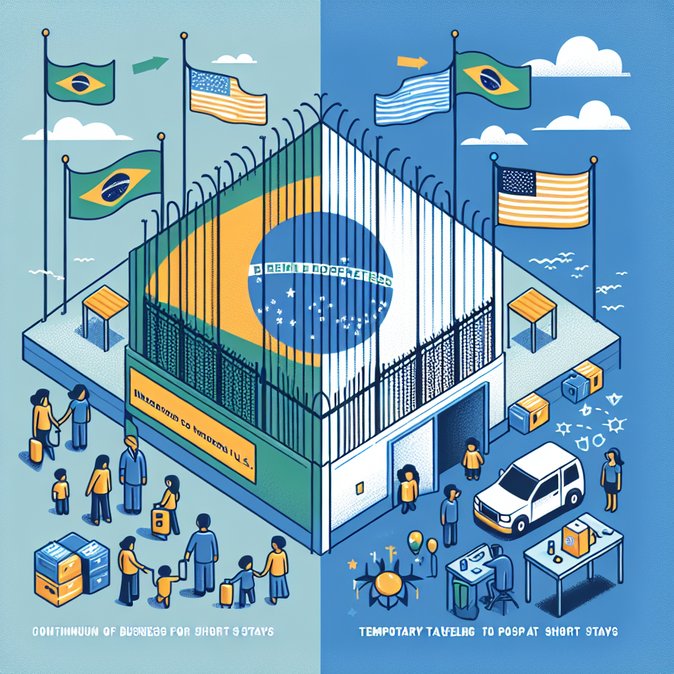
3) Reinstatement of short-stay visas for U.S., Canadian and Australian nationals. The long-announced e-visa requirement returns on 10 April. Beta testing of the refreshed platform opens in mid-February; companies with frequent travellers from those countries are advised to conduct trial applications early and bulk-upload supporting documents.
Although “nothing happened” headlines rarely make news pages, keeping a documented audit trail of such sweeps helps prove due diligence under ISO 31030 travel-risk guidelines. VisaHQ will run its next scan at 12:00 BRT on 15 January.
1) Federal Police system migration. Brazil’s immigration platforms are being absorbed into the gov.br single-sign-on portal, with completion set for 31 January. Travellers who have not activated digital IDs may face airport check-in delays as airlines move to QR-code verification. Corporate travel managers should circulate activation guides and schedule buffer time for first-quarter trips.
2) Humanitarian-visa overhaul. A new single humanitarian-visa framework took effect on 1 January, pausing country-specific schemes for Afghans, Haitians and others until the government publishes its first eligibility list. NGOs and multinationals deploying staff to crisis zones should anticipate longer lead times and consider alternate visa classes.

For organizations that need hands-on support navigating these changes, VisaHQ’s Brazil portal (https://www.visahq.com/brazil/) offers live regulatory updates, step-by-step application wizards, and bulk-upload functionality that integrates with most travel-management systems, streamlining everything from humanitarian filings to routine business visas in one place.
3) Reinstatement of short-stay visas for U.S., Canadian and Australian nationals. The long-announced e-visa requirement returns on 10 April. Beta testing of the refreshed platform opens in mid-February; companies with frequent travellers from those countries are advised to conduct trial applications early and bulk-upload supporting documents.
Although “nothing happened” headlines rarely make news pages, keeping a documented audit trail of such sweeps helps prove due diligence under ISO 31030 travel-risk guidelines. VisaHQ will run its next scan at 12:00 BRT on 15 January.