State Department Issues Worldwide Caution After U.S. Strikes on Iran
UK Completes Shift to eVisas, Scrapping Passport Stickers for All New Visa Grants
Indian Airlines Halt Middle-East Services After DGCA Emergency Directive
Latest News
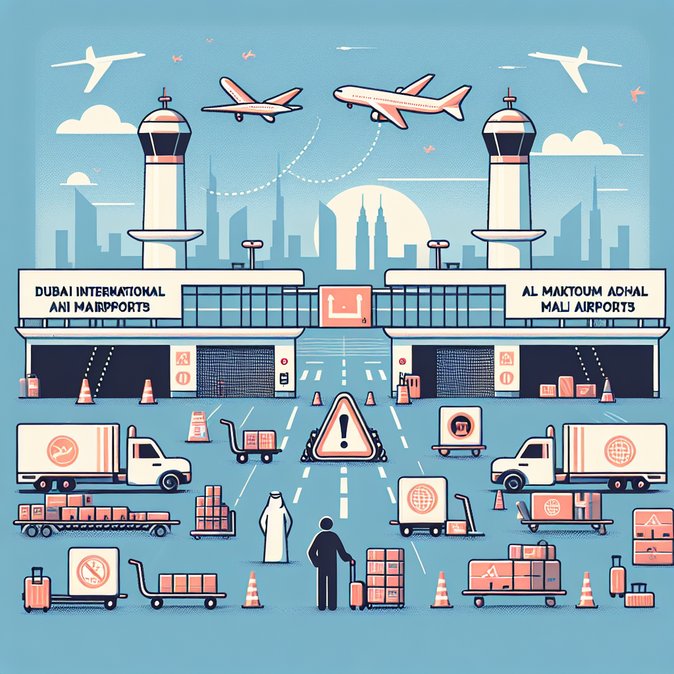
Dubai’s Two International Airports Halt All Flights as Regional Conflict Spills into Airspace
Dubai International and Al Maktoum airports shut down all passenger and cargo flights on 28 February 2026 after Iranian missile strikes led Gulf states to close their airspace. The suspension strands tens of thousands of travellers, stalls Emirates and flydubai operations, and threatens global supply chains that depend on Dubai’s connectivity. Corporations are urged to activate crisis travel protocols and seek alternative routings until the hub re-opens.

Brazil Adds Eight New Countries to Visa-Free List to Boost Tourism and Business
Effective 24 February 2026, Brazil has waived short-term visa requirements for citizens of China, Denmark, France, Hungary, Ireland, Jamaica, Saint Lucia and the Bahamas. The unilateral move (reciprocal for China) allows stays of up to 30 days, extendable to 90 days a year, and is designed to stimulate tourism and business travel. Companies can expect easier executive visits but must still monitor activities that could require work authorisation.

China Reports 49.5 % Jump in Visa-Free Arrivals, Signals Strong Rebound of Inbound Travel
Official data released 28 February show 30.08 million visa-free arrivals to China in 2025, up 49.5 % year-on-year. The jump reflects wider unilateral visa-waivers, an expanded 240-hour transit program and smoother digital border formalities. Multinationals gain easier short-term access for staff, while China’s services and tourism sectors get a welcome demand boost.
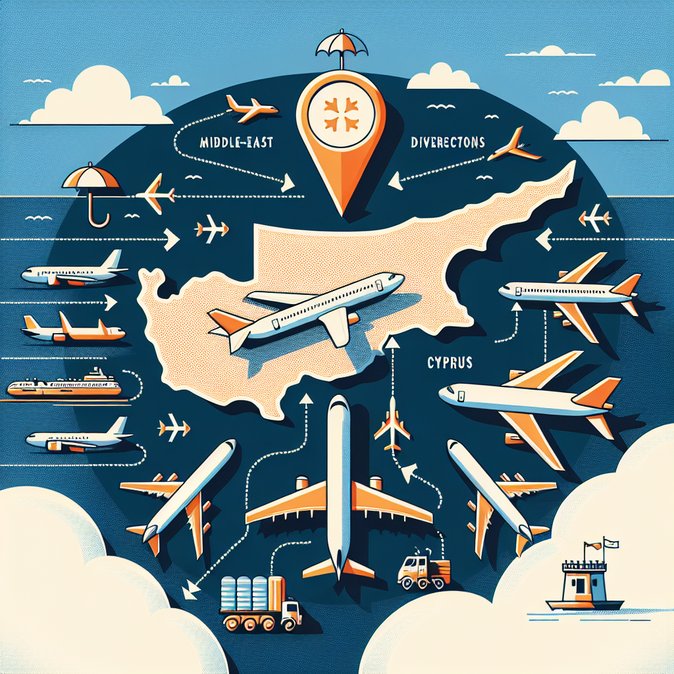
Cyprus Airports Cancel Middle-East Flights and Divert Traffic After US-Israel Strikes on Iran
Hermes Airports confirmed widespread cancellations and diversions on 28 February after Middle-East airspace closures following U-S/Israeli strikes on Iran. Flights to Israel, Jordan, the UAE and Bahrain were axed, carriers repositioned aircraft to Larnaca, and corporate travellers faced major schedule upheaval. The disruption highlights both Cyprus’s exposure to regional volatility and its importance as a safe diversion point.

Draft Spain-UK-EU Treaty Moves Gibraltar Border Into Schengen, Gives Spain Veto Power
The newly published 1,000-page draft treaty would scrap Gibraltar’s fence, place Spanish police in charge of Schengen entry checks at the Rock’s airport and port, and give Madrid the right to block non-EU travellers or residency permits. Gibraltar would enter the EU customs union, removing goods checks and creating a single labour market for 15,000 daily commuters. While governments hail a “historic” win for mobility and trade, UK critics see sovereignty risks and businesses face new tax and compliance obligations.

Middle-East Airspace Shuts Down; U.S. Carriers Issue Waivers and Cancel Routes
Iran-related hostilities have prompted airlines worldwide to avoid large swaths of Middle-East airspace. Delta and other U.S. carriers have cancelled Tel Aviv flights and issued change-fee waivers, while rerouted long-haul sectors face longer flight times, higher costs and crew-scheduling headaches.
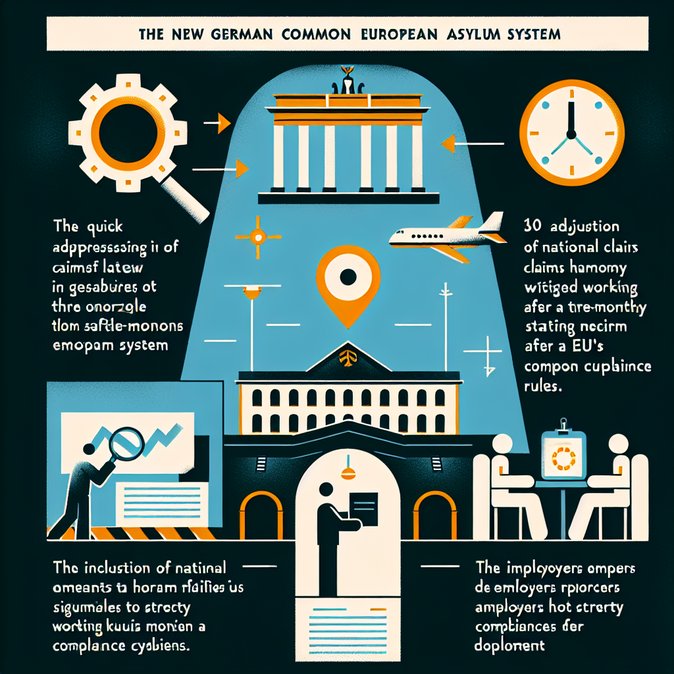
German Bundestag Passes Laws to Implement EU-Wide Asylum Reform
Germany’s parliament has adopted two bills that align national law with the EU’s Common European Asylum System. Key provisions fast-track low-probability claims at border facilities and let asylum seekers work after three months. Employers gain earlier access to labour, but must prepare for tighter identity checks and evolving compliance obligations.

India Issues ‘Utmost Caution’ Advisory for Nationals in Iran and Israel
Reacting to escalating hostilities in the Middle East, India has urged its citizens in Iran and Israel to exercise ‘utmost caution’, register with embassies and prepare for possible evacuation. The notice heightens corporate duty-of-care obligations, impacts insurance coverage and may disrupt scheduled pilgrimage traffic.

UAE Civil Aviation Authority Closes National Airspace; Etihad, Emirates and Global Carriers Issue Sweeping Cancellations
The UAE’s aviation regulator shut down the country’s airspace on 28 February 2026, forcing Etihad, Emirates and dozens of foreign carriers to cancel or reroute flights. The decision, prompted by regional missile activity, compounds global network pressures and triggers fresh insurance-premium hikes. Companies should expect longer routings, higher costs and potential visa overstays for stranded staff.

SWISS halts Tel Aviv and Dubai services amid Middle-East escalation
After U.S.-Israeli strikes on Iran, SWISS has cancelled all Zurich–Tel Aviv flights until 7 March and grounded two Zurich–Dubai rotations. The carrier is re-booking affected passengers and warns of knock-on delays across its network, underscoring how regional conflict can abruptly disrupt Swiss business travel.

Finnair halts Dubai and Doha services as Middle-East airspace closes
Finnair cancelled all Helsinki–Dubai and Helsinki–Doha flights from 28 February to 6 March after Iran, Iraq and neighbouring states closed their airspace. The airline is also rerouting Asian services to avoid the conflict zone, adding flight time and costs. Business travellers and shippers should brace for schedule changes, higher fares and potential project delays.

Hong Kong cuts e-Channel enrolment threshold to just two prior trips, drops fingerprints for e-passports
From 27 February 2026, frequent visitors who have flown into Hong Kong at least twice in the last two years can register on arrival for the automated e-Channel gates. Fingerprints are no longer required for electronic-passport holders, cutting enrolment time to minutes and easing peak-hour congestion. The move boosts Hong Kong’s appeal for conferences and regional headquarters by shaving valuable time off every trip.

ITA Airways halts Tel Aviv and Dubai flights as Italy joins airspace avoidance after Iran strike
ITA Airways has stopped flying to Tel Aviv (until 7 March) and Dubai (until 1 March) after EASA advised carriers to avoid Middle-Eastern airspace in the wake of U.S.–Israeli strikes on Iran. Rerouting lengthens Europe-Asia journeys and disrupts cargo flows, with direct repercussions for Italian business travellers, exporters and assignees transiting through the Gulf.

Canada Expands LMIA-Exempt Work-Permit Quota and Tightens Reciprocal-Employment Rules
IRCC’s 2026 plan raises LMIA-exempt admissions to 170,000 while trimming LMIA-based quotas but introduces tougher evidence rules for reciprocal-employment (C20) permits and stricter data-matching in GCMS. Multinationals gain more capacity for intra-company transfers yet face new compliance hurdles and looming expiry of certain public-policy exemptions.

Lufthansa Suspends Middle-East Routes as Regional Airspace Closes, Hitting German Hubs
Following regional airspace closures after U.S.–Israeli strikes on Iran, Lufthansa has halted multiple Middle-East routes, causing more than 60 immediate cancellations at German airports and forcing long detours on Asia-bound flights. Businesses must brace for higher travel costs, freight delays and potential duty-of-care escalations.

France tightens income rules for citizenship, raising the bar for would-be French nationals
A long-dormant Interior-Ministry circular took full effect this week, forcing naturalisation applicants to show five years of French-sourced earnings under a CDI or two-year run of CDDs. Prefects must now reject files that rely on overseas income or social benefits. Employers may need to rethink contract strategy for foreign staff, while pensioners, cross-border commuters and remote workers face higher rejection risk. The measure, though billed as a ‘clarification’, substantially hardens the path to a French passport.

Warsaw Hosts Six-Nation Summit to Curb Illegal Immigration and Human Smuggling
Poland hosted interior ministers from Estonia, Latvia, Finland, Lithuania and Pakistan on 27 February 2026 to devise tougher measures against human smuggling. The countries will integrate watch-lists, step up joint investigations and explore creating legal work-permit quotas for Pakistani nationals. The plan signals both stricter compliance checks and potential new hiring avenues for employers operating in Poland and the Baltic region.