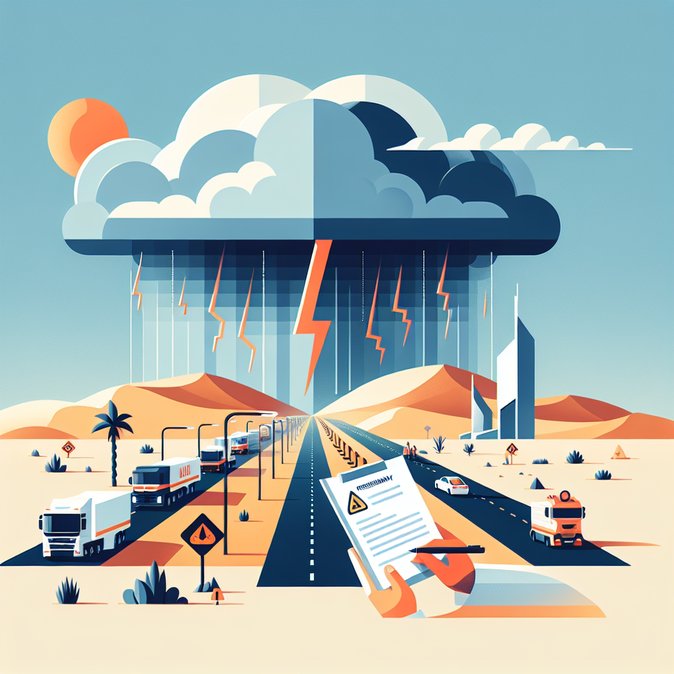
A fast-moving low-pressure front nicknamed “Al Bashayer” swept across all seven emirates on 14 December, drenching highways and reducing visibility to under 200 metres in parts of Sharjah and Ras Al Khaimah. The National Centre of Meteorology (NCM) upgraded its yellow and orange alerts through Friday, 19 December, and warned of seas turning rough in the Arabian Gulf.
Dubai, Abu Dhabi and Sharjah municipalities activated emergency drainage teams as police advised motorists to delay non-essential travel. A multi-vehicle collision on Sheikh Mohammed bin Zayed Road caused hour-long delays between Dubai and Sharjah at the Sunday evening peak. Airlines operating at DXB reported minor schedule adjustments, but authorities said runways remained fully operational.
For travellers whose plans may suddenly shift because of the weather, making sure entry paperwork keeps pace is just as important as monitoring flight times. VisaHQ’s UAE portal (https://www.visahq.com/united-arab-emirates/) lets corporate mobility teams and individual passengers obtain, extend, or fast-track visas entirely online—with status alerts sent straight to email—so that any storm-related itinerary changes don’t leave people grounded by expired documents.
![Severe Low-Pressure System Brings Heavy Rain; UAE Issues Nationwide Weather and Travel Alerts Until 19 December]()
For business-travel managers, the advice is to add at least 90 minutes to airport transfer times and to check that employees’ UAE mobile numbers are registered for federal emergency SMS alerts. Companies with field technicians were urged to suspend outdoor work during lightning periods, under Ministerial Resolution 44 of 2022.
Looking ahead, the NCM projects scattered thunderstorms through 17 December, with temperatures dipping to 18 °C inland. Organisations running regional conferences this week – including the Emirates HR Summit – have shifted key sessions online, underscoring how extreme weather can quickly upend mobility plans even in traditionally dry Gulf winters.
Travel-insurance providers confirmed that flight delays linked to the storm will be covered under standard “weather disruption” clauses, but only if policies were purchased before the alert was issued. Mobility teams should remind travellers to keep boarding passes and airline delay notices for claims.
Dubai, Abu Dhabi and Sharjah municipalities activated emergency drainage teams as police advised motorists to delay non-essential travel. A multi-vehicle collision on Sheikh Mohammed bin Zayed Road caused hour-long delays between Dubai and Sharjah at the Sunday evening peak. Airlines operating at DXB reported minor schedule adjustments, but authorities said runways remained fully operational.
For travellers whose plans may suddenly shift because of the weather, making sure entry paperwork keeps pace is just as important as monitoring flight times. VisaHQ’s UAE portal (https://www.visahq.com/united-arab-emirates/) lets corporate mobility teams and individual passengers obtain, extend, or fast-track visas entirely online—with status alerts sent straight to email—so that any storm-related itinerary changes don’t leave people grounded by expired documents.

For business-travel managers, the advice is to add at least 90 minutes to airport transfer times and to check that employees’ UAE mobile numbers are registered for federal emergency SMS alerts. Companies with field technicians were urged to suspend outdoor work during lightning periods, under Ministerial Resolution 44 of 2022.
Looking ahead, the NCM projects scattered thunderstorms through 17 December, with temperatures dipping to 18 °C inland. Organisations running regional conferences this week – including the Emirates HR Summit – have shifted key sessions online, underscoring how extreme weather can quickly upend mobility plans even in traditionally dry Gulf winters.
Travel-insurance providers confirmed that flight delays linked to the storm will be covered under standard “weather disruption” clauses, but only if policies were purchased before the alert was issued. Mobility teams should remind travellers to keep boarding passes and airline delay notices for claims.