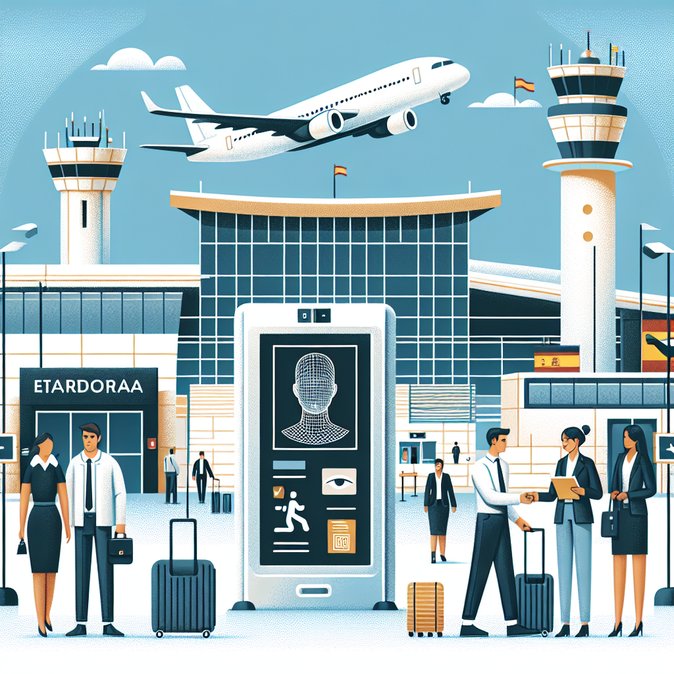
Spain has joined fellow Schengen members in announcing that the Entry/Exit System (EES) and the European Travel Information and Authorisation System (ETIAS) are on track for full deployment in 2026, ushering in the end of passport stamping at Spanish airports. A detailed briefing published on 11 December outlines how Spain—together with France, Germany, Italy, Belgium, the Netherlands and others—will move to fully biometric border controls over the next 16 months.
Under the EES, non-EU travellers will provide fingerprint and facial data the first time they cross an external Schengen frontier. Subsequent entries will be verified in seconds through automated kiosks, reducing queues and improving overstay detection. For visa-exempt visitors, ETIAS will add an online pre-travel screening similar to the US ESTA, costing €20 and valid for three years. Spain’s Interior Ministry says the country already completed a soft launch of EES on 12 October 2025 at Madrid-Barajas and Barcelona-El Prat, allowing systems testing ahead of the April 2026 deadline.
Travellers who are unsure about the new biometric enrolment requirements or need assistance securing an ETIAS authorisation can streamline the process through VisaHQ. The company’s Spain portal (https://www.visahq.com/spain/) offers step-by-step guidance, document checks and automated reminders, helping both leisure visitors and corporate mobility teams stay fully compliant with Spain’s evolving entry rules.
![Spain Confirms Timeline for Digital Borders: EES Soft-Launch Complete, Full Roll-Out by April 2026]()
For corporate mobility teams, the shift means revising traveller communications and updating data-privacy notices; biometric enrolment is compulsory for contractors, posted workers and executives who do not hold an EU passport. Airlines and ground-handling agents must adapt check-in systems to verify ETIAS approvals before boarding, with fines for carriers that transport passengers lacking authorisation. The Tourism Board, meanwhile, sees an opportunity to market Spain as a ‘friction-free’ destination once initial enrolment is complete.
Border-technology suppliers report brisk demand: Aena has ordered hundreds of additional e-gates, and police unions are negotiating staffing models that pair officers with biometric corridors. Critics, however, warn of potential glitches in peak summer periods and urge authorities to launch multilingual information campaigns well in advance.
Overall, the move to digital borders is expected to streamline travel for millions of visitors while giving Spain better tools to tackle identity fraud and illegal overstays—an important backdrop as the country phases out its real-estate-based Golden Visa and pivots toward skills-driven immigration.
Under the EES, non-EU travellers will provide fingerprint and facial data the first time they cross an external Schengen frontier. Subsequent entries will be verified in seconds through automated kiosks, reducing queues and improving overstay detection. For visa-exempt visitors, ETIAS will add an online pre-travel screening similar to the US ESTA, costing €20 and valid for three years. Spain’s Interior Ministry says the country already completed a soft launch of EES on 12 October 2025 at Madrid-Barajas and Barcelona-El Prat, allowing systems testing ahead of the April 2026 deadline.
Travellers who are unsure about the new biometric enrolment requirements or need assistance securing an ETIAS authorisation can streamline the process through VisaHQ. The company’s Spain portal (https://www.visahq.com/spain/) offers step-by-step guidance, document checks and automated reminders, helping both leisure visitors and corporate mobility teams stay fully compliant with Spain’s evolving entry rules.
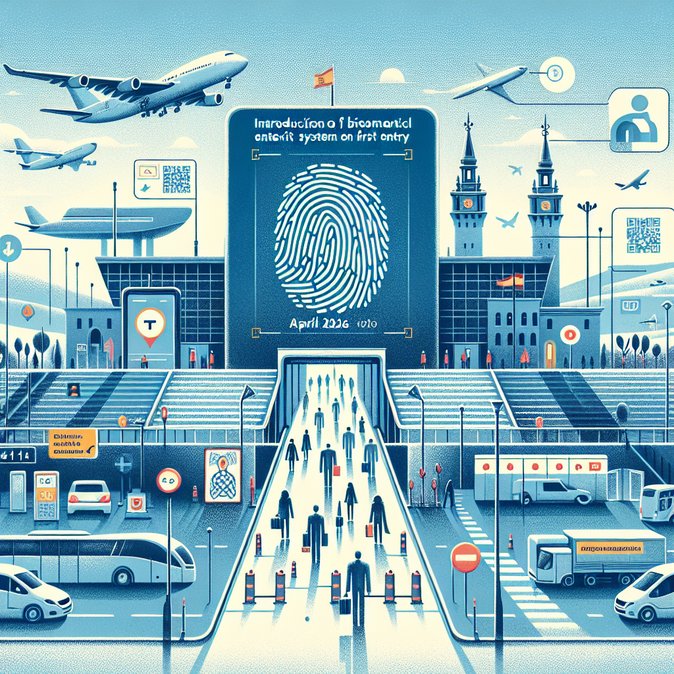
For corporate mobility teams, the shift means revising traveller communications and updating data-privacy notices; biometric enrolment is compulsory for contractors, posted workers and executives who do not hold an EU passport. Airlines and ground-handling agents must adapt check-in systems to verify ETIAS approvals before boarding, with fines for carriers that transport passengers lacking authorisation. The Tourism Board, meanwhile, sees an opportunity to market Spain as a ‘friction-free’ destination once initial enrolment is complete.
Border-technology suppliers report brisk demand: Aena has ordered hundreds of additional e-gates, and police unions are negotiating staffing models that pair officers with biometric corridors. Critics, however, warn of potential glitches in peak summer periods and urge authorities to launch multilingual information campaigns well in advance.
Overall, the move to digital borders is expected to streamline travel for millions of visitors while giving Spain better tools to tackle identity fraud and illegal overstays—an important backdrop as the country phases out its real-estate-based Golden Visa and pivots toward skills-driven immigration.