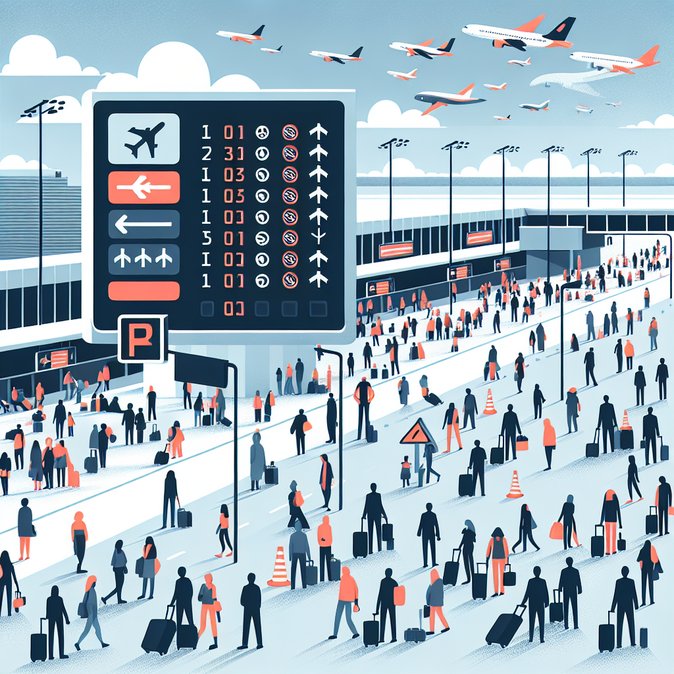
Travellers across Brazil endured a wave of 336 delays and 30 cancellations on 9 December, according to real-time data compiled by aviation analysts and reported by Travel & Tour World. São Paulo-Congonhas was worst affected (152 delays, 24 cancellations), while Guarulhos and Rio de Janeiro-Galeão logged a combined 184 disrupted movements. Domestic carriers GOL and LATAM bore the brunt, though international operators such as American and Copa also reported knock-on scheduling issues.
The immediate cause: a perfect storm of early-summer thunderstorms over the Southeast corridor, crew-rostering shortfalls linked to new fatigue rules, and lingering aircraft-maintenance backlogs dating from a suppliers’ strike in October.
![Brazil Hit by 366 Flight Disruptions in Single Day, Straining Holiday Travel Plans]()
For global travel coordinators looking to keep projects on schedule despite such turbulence, VisaHQ can provide rapid Brazilian visa and document support. Through its portal (https://www.visahq.com/brazil/), the service aggregates entry requirements, offers real-time application tracking, and arranges secure courier delivery—helping mobility teams adjust bookings and paperwork swiftly when flights are disrupted.
For corporate mobility programmes, the operational headache is significant. End-of-year project wrap-ups typically generate a spike in intra-Brazil shuttles, and missed domestic connectors can delay assignees’ legal registrations—especially in cities where Federal Police appointments are already scarce. Some employers activated contingency policies, including overnight accommodation and re-booking on inter-city buses, but these add cost and duty-of-care complexity.
Looking ahead, Brazil’s civil-aviation authority (ANAC) has asked airlines to present updated contingency schedules through 20 December, when holiday traffic peaks. Mobility managers should monitor flight-status feeds and build extra slack into itineraries, particularly for assignees with time-sensitive immigration appointments. Travel insurance that covers missed-connection penalties is strongly advised.
The immediate cause: a perfect storm of early-summer thunderstorms over the Southeast corridor, crew-rostering shortfalls linked to new fatigue rules, and lingering aircraft-maintenance backlogs dating from a suppliers’ strike in October.

For global travel coordinators looking to keep projects on schedule despite such turbulence, VisaHQ can provide rapid Brazilian visa and document support. Through its portal (https://www.visahq.com/brazil/), the service aggregates entry requirements, offers real-time application tracking, and arranges secure courier delivery—helping mobility teams adjust bookings and paperwork swiftly when flights are disrupted.
For corporate mobility programmes, the operational headache is significant. End-of-year project wrap-ups typically generate a spike in intra-Brazil shuttles, and missed domestic connectors can delay assignees’ legal registrations—especially in cities where Federal Police appointments are already scarce. Some employers activated contingency policies, including overnight accommodation and re-booking on inter-city buses, but these add cost and duty-of-care complexity.
Looking ahead, Brazil’s civil-aviation authority (ANAC) has asked airlines to present updated contingency schedules through 20 December, when holiday traffic peaks. Mobility managers should monitor flight-status feeds and build extra slack into itineraries, particularly for assignees with time-sensitive immigration appointments. Travel insurance that covers missed-connection penalties is strongly advised.