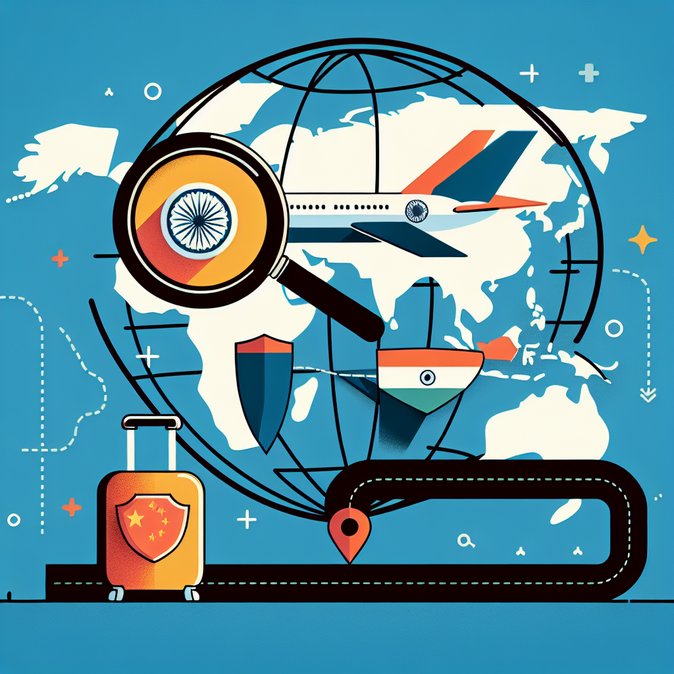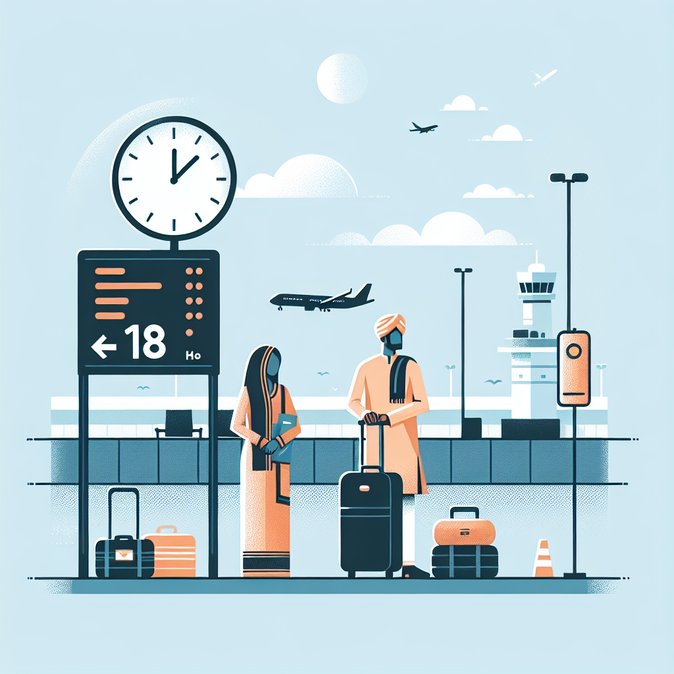
New Delhi has formally demanded written assurances from Beijing that Indian nationals transiting Chinese airports will not be "selectively targeted, arbitrarily detained or harassed." The démarche follows the 18-hour detention on 21 November of Prema Wangjom Thongdok—an Indian passport-holder born in Arunachal Pradesh—at Shanghai Pudong Airport. Chinese officials reportedly deemed her passport “invalid”, citing Beijing’s claim over the border state.
The Ministry of External Affairs (MEA) warned the incident undermines the fragile thaw in relations since the 2020 Galwan clash and could dampen resuming student exchanges, tourism and the Kailash-Mansarovar pilgrimage. India has asked that similar assurance be in place before direct Air India and China Eastern flights expand next summer.
![India presses Beijing for guarantees after Arunachal-born passenger detained in Shanghai transit]()
For travellers the practical impact is two-fold: (1) expect secondary screening if born in Arunachal Pradesh, Jammu-&-Kashmir or Ladakh; (2) carry extra documentation and avoid tight layovers through China until protocols are clarified. Corporations routing staff via Shanghai or Guangzhou may wish to rebook through Singapore, Doha or Dubai to avoid disruption.
At this juncture, travellers may benefit from professional visa and transit guidance. VisaHQ’s India portal (https://www.visahq.com/india/) offers real-time updates on Chinese transit requirements, assists in assembling the correct supporting documents, and can advise on alternative routings or destination-specific visas—helping passengers avoid last-minute airport complications.
Diplomatically, the episode highlights how unresolved border disputes can spill into civil aviation and mobility—even as the two sides negotiate new business-visa quotas for 2026.
The Ministry of External Affairs (MEA) warned the incident undermines the fragile thaw in relations since the 2020 Galwan clash and could dampen resuming student exchanges, tourism and the Kailash-Mansarovar pilgrimage. India has asked that similar assurance be in place before direct Air India and China Eastern flights expand next summer.

For travellers the practical impact is two-fold: (1) expect secondary screening if born in Arunachal Pradesh, Jammu-&-Kashmir or Ladakh; (2) carry extra documentation and avoid tight layovers through China until protocols are clarified. Corporations routing staff via Shanghai or Guangzhou may wish to rebook through Singapore, Doha or Dubai to avoid disruption.
At this juncture, travellers may benefit from professional visa and transit guidance. VisaHQ’s India portal (https://www.visahq.com/india/) offers real-time updates on Chinese transit requirements, assists in assembling the correct supporting documents, and can advise on alternative routings or destination-specific visas—helping passengers avoid last-minute airport complications.
Diplomatically, the episode highlights how unresolved border disputes can spill into civil aviation and mobility—even as the two sides negotiate new business-visa quotas for 2026.