India Issues ‘Utmost Caution’ Advisory for Nationals in Iran and Israel
UK Completes Shift to eVisas, Scrapping Passport Stickers for All New Visa Grants
Indian Airlines Halt Middle-East Services After DGCA Emergency Directive
Latest News
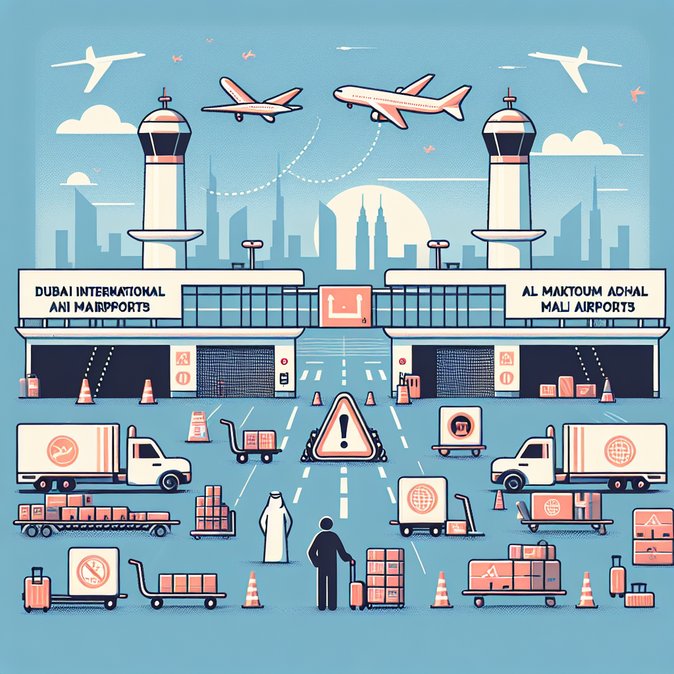
Dubai’s Two International Airports Halt All Flights as Regional Conflict Spills into Airspace
Dubai International and Al Maktoum airports shut down all passenger and cargo flights on 28 February 2026 after Iranian missile strikes led Gulf states to close their airspace. The suspension strands tens of thousands of travellers, stalls Emirates and flydubai operations, and threatens global supply chains that depend on Dubai’s connectivity. Corporations are urged to activate crisis travel protocols and seek alternative routings until the hub re-opens.

Brazil Adds Eight New Countries to Visa-Free List to Boost Tourism and Business
Effective 24 February 2026, Brazil has waived short-term visa requirements for citizens of China, Denmark, France, Hungary, Ireland, Jamaica, Saint Lucia and the Bahamas. The unilateral move (reciprocal for China) allows stays of up to 30 days, extendable to 90 days a year, and is designed to stimulate tourism and business travel. Companies can expect easier executive visits but must still monitor activities that could require work authorisation.

China Reports 49.5 % Jump in Visa-Free Arrivals, Signals Strong Rebound of Inbound Travel
Official data released 28 February show 30.08 million visa-free arrivals to China in 2025, up 49.5 % year-on-year. The jump reflects wider unilateral visa-waivers, an expanded 240-hour transit program and smoother digital border formalities. Multinationals gain easier short-term access for staff, while China’s services and tourism sectors get a welcome demand boost.
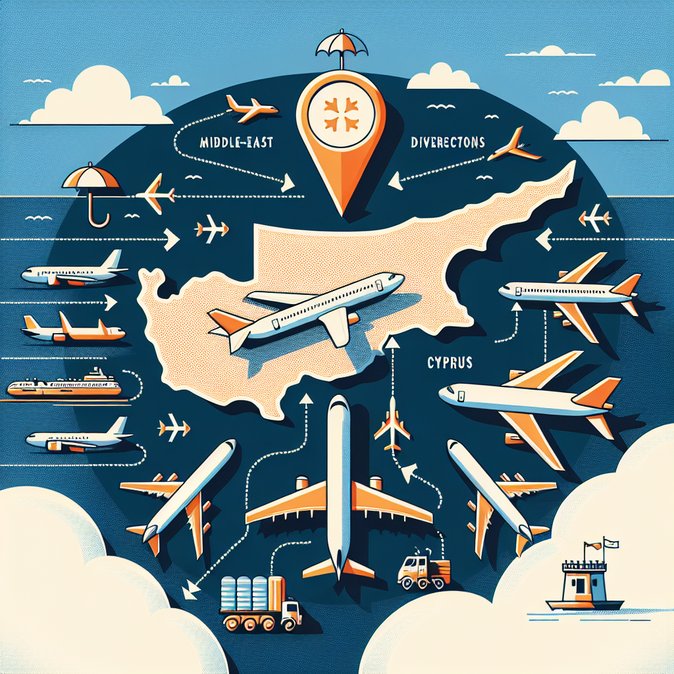
Cyprus Airports Cancel Middle-East Flights and Divert Traffic After US-Israel Strikes on Iran
Hermes Airports confirmed widespread cancellations and diversions on 28 February after Middle-East airspace closures following U-S/Israeli strikes on Iran. Flights to Israel, Jordan, the UAE and Bahrain were axed, carriers repositioned aircraft to Larnaca, and corporate travellers faced major schedule upheaval. The disruption highlights both Cyprus’s exposure to regional volatility and its importance as a safe diversion point.

Lufthansa Suspends Middle-East Routes as Regional Airspace Closes, Hitting German Hubs
Following regional airspace closures after U.S.–Israeli strikes on Iran, Lufthansa has halted multiple Middle-East routes, causing more than 60 immediate cancellations at German airports and forcing long detours on Asia-bound flights. Businesses must brace for higher travel costs, freight delays and potential duty-of-care escalations.

ITA Airways halts Tel Aviv and Dubai flights as Italy joins airspace avoidance after Iran strike
ITA Airways has stopped flying to Tel Aviv (until 7 March) and Dubai (until 1 March) after EASA advised carriers to avoid Middle-Eastern airspace in the wake of U.S.–Israeli strikes on Iran. Rerouting lengthens Europe-Asia journeys and disrupts cargo flows, with direct repercussions for Italian business travellers, exporters and assignees transiting through the Gulf.

Middle-East Airspace Shuts Down; U.S. Carriers Issue Waivers and Cancel Routes
Iran-related hostilities have prompted airlines worldwide to avoid large swaths of Middle-East airspace. Delta and other U.S. carriers have cancelled Tel Aviv flights and issued change-fee waivers, while rerouted long-haul sectors face longer flight times, higher costs and crew-scheduling headaches.

SWISS halts Tel Aviv and Dubai services amid Middle-East escalation
After U.S.-Israeli strikes on Iran, SWISS has cancelled all Zurich–Tel Aviv flights until 7 March and grounded two Zurich–Dubai rotations. The carrier is re-booking affected passengers and warns of knock-on delays across its network, underscoring how regional conflict can abruptly disrupt Swiss business travel.

UAE Civil Aviation Authority Closes National Airspace; Etihad, Emirates and Global Carriers Issue Sweeping Cancellations
The UAE’s aviation regulator shut down the country’s airspace on 28 February 2026, forcing Etihad, Emirates and dozens of foreign carriers to cancel or reroute flights. The decision, prompted by regional missile activity, compounds global network pressures and triggers fresh insurance-premium hikes. Companies should expect longer routings, higher costs and potential visa overstays for stranded staff.
State Department Issues Worldwide Caution After U.S. Strikes on Iran
The State Department’s 28 February Worldwide Caution urges U.S. citizens to heighten security awareness after strikes on Iran. Employers should expect flight rerouting, potential embassy service disruptions and higher duty-of-care liabilities for staff abroad.

Finnair halts Dubai and Doha services as Middle-East airspace closes
Finnair cancelled all Helsinki–Dubai and Helsinki–Doha flights from 28 February to 6 March after Iran, Iraq and neighbouring states closed their airspace. The airline is also rerouting Asian services to avoid the conflict zone, adding flight time and costs. Business travellers and shippers should brace for schedule changes, higher fares and potential project delays.