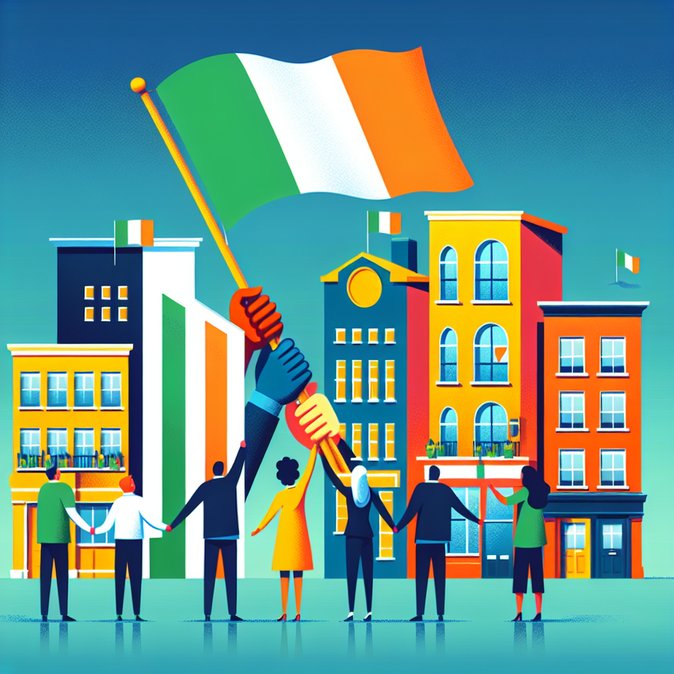
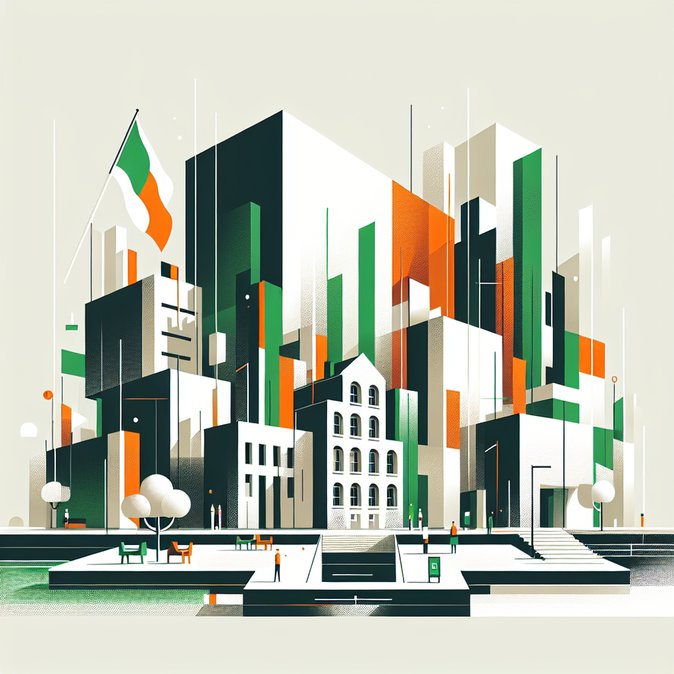
Limerick activist Natasha O’Brien has launched a nationwide initiative urging communities, schools and businesses to display the Irish tricolour as a symbol of inclusion rather than exclusion. The move comes after several far-right protests against refugee accommodation centres used the flag alongside anti-migration slogans, a trend that has unsettled many newcomers and risked damaging Ireland’s image as a welcoming destination.
O’Brien, herself a survivor of a hate-motivated assault, is working with the Irish Network Against Racism, the Irish Refugee Council and dozens of GAA clubs to distribute 50,000 flags and educational leaflets explaining the flag’s original meaning of peace between traditions. Corporate partners—including two multinationals with large expatriate workforces in Dublin’s Docklands—have pledged to fly the tricolour at HQ buildings and share diversity messages on internal networks.
Immigration consultants say visible signals of inclusion can ease anxieties among relocating staff, especially those arriving with families in the wake of viral videos showing anti-migrant demonstrations. “Perception matters as much as policy; a hostile street scene can derail a relocation before it starts,” notes one global-mobility manager.
![Campaign to ‘reclaim’ Irish flag counters rise in anti-immigrant symbolism]()
For newcomers navigating visa paperwork, online platform VisaHQ offers step-by-step guidance for Ireland entry permits, family reunification and business travel, streamlining what can otherwise be a stressful administrative hurdle. Its Ireland portal (https://www.visahq.com/ireland/) lets employers and relocating staff track application status in real time, complementing initiatives like O’Brien’s by turning symbolic welcome into practical support.
The Department of Children, Equality, Disability, Integration and Youth has welcomed the campaign, saying positive civic engagement helps reduce misinformation about the asylum system. Observers point out that Ireland will need to maintain its ‘open and global’ brand as competition for international talent intensifies after the OECD’s global-mobility tax reforms take effect in 2026.
While critics dismiss the initiative as symbolic, supporters argue that reclaiming national symbols is a low-cost way to blunt extremist narratives and reinforce social cohesion vital to the country’s FDI model.
O’Brien, herself a survivor of a hate-motivated assault, is working with the Irish Network Against Racism, the Irish Refugee Council and dozens of GAA clubs to distribute 50,000 flags and educational leaflets explaining the flag’s original meaning of peace between traditions. Corporate partners—including two multinationals with large expatriate workforces in Dublin’s Docklands—have pledged to fly the tricolour at HQ buildings and share diversity messages on internal networks.
Immigration consultants say visible signals of inclusion can ease anxieties among relocating staff, especially those arriving with families in the wake of viral videos showing anti-migrant demonstrations. “Perception matters as much as policy; a hostile street scene can derail a relocation before it starts,” notes one global-mobility manager.
For newcomers navigating visa paperwork, online platform VisaHQ offers step-by-step guidance for Ireland entry permits, family reunification and business travel, streamlining what can otherwise be a stressful administrative hurdle. Its Ireland portal (https://www.visahq.com/ireland/) lets employers and relocating staff track application status in real time, complementing initiatives like O’Brien’s by turning symbolic welcome into practical support.
The Department of Children, Equality, Disability, Integration and Youth has welcomed the campaign, saying positive civic engagement helps reduce misinformation about the asylum system. Observers point out that Ireland will need to maintain its ‘open and global’ brand as competition for international talent intensifies after the OECD’s global-mobility tax reforms take effect in 2026.
While critics dismiss the initiative as symbolic, supporters argue that reclaiming national symbols is a low-cost way to blunt extremist narratives and reinforce social cohesion vital to the country’s FDI model.