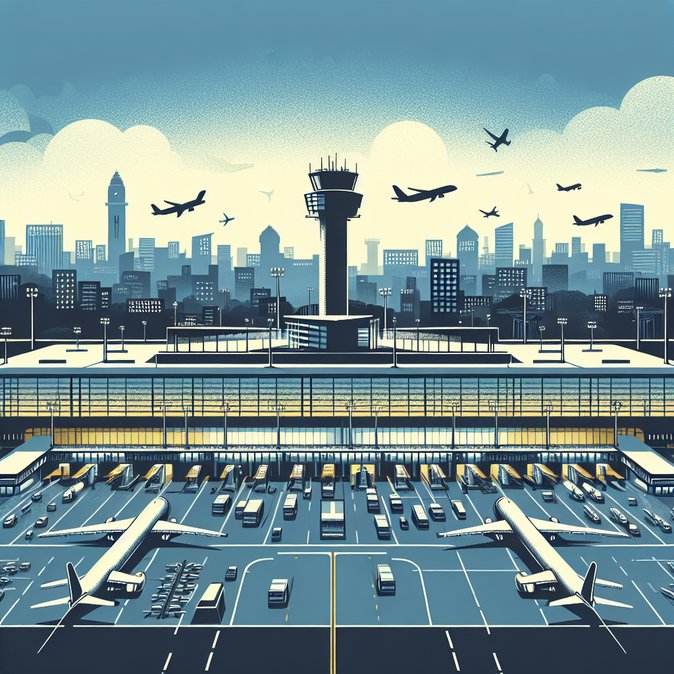
Vinci Airports, operator of Salvador Bahia International (SSA), unveiled its most ambitious high-season schedule since taking over the concession in 2018. Between 15 December 2025 and 31 January 2026 the airport will offer 1.6 million seats—up 14 % on last year. While domestic carriers GOL and Azul are adding frequencies to São Paulo and Rio de Janeiro, international growth steals the spotlight: Copa Airlines launches a four-weekly Panama City service on 17 December, Air France upgrades its Paris flights to thrice-weekly wide-bodies, and Flybondi lifts Argentine capacity by 74 %.
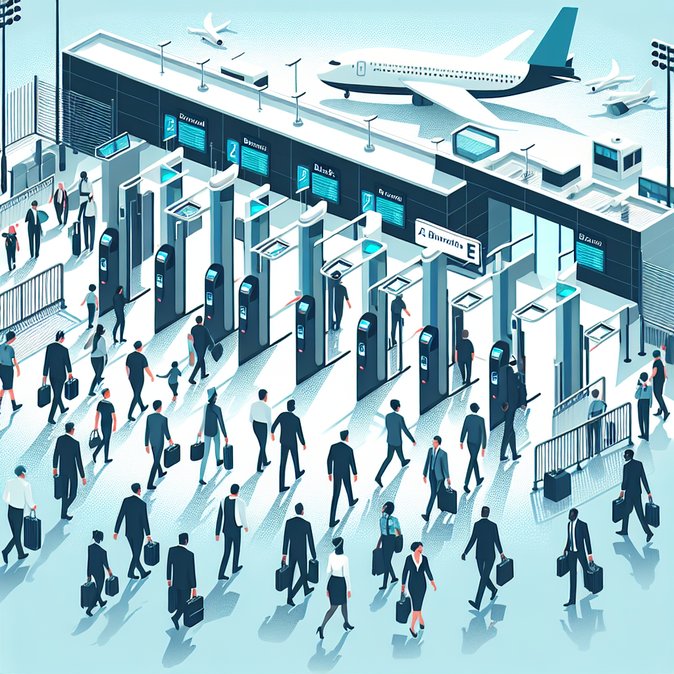
Airport commercial director Júlia Orrico forecasts a single-day record of 36,000 passengers on 2 January. Staffing is up 20 % to keep immigration desks fully manned, and the Federal Police have activated e-channels for Mercosur national-ID holders, shaving minutes off arrival processing for regional business travellers.
![Salvador Bahia Airport Adds 14 % More Seats and New Copa Link Ahead of Summer Peak]()
Whether you’re a project engineer flying in from Houston or a holiday-maker connecting via Paris, double-check entry requirements well before departure. VisaHQ’s online platform (https://www.visahq.com/brazil/) lets individuals and corporate travel departments secure Brazilian visas, e-visas and invitation letters in just a few clicks, tracking status in real time and avoiding last-minute surprises that could derail tight high-season itineraries.
For mobility planners the additional capacity reduces dependence on the São Paulo–Rio axis, allowing project crews to land closer to northeastern oil-&-gas fields, renewable-energy parks and emerging agritech clusters. Travel managers should brace for fare volatility—Amadeus data already show average prices 18 % above last summer—and secure hotel allotments early.
Corporate security teams will welcome the state government’s deployment of extra military-police patrols inside the terminal and on the airport highway, aimed at deterring seasonal petty crime. Practical tips include monitoring dynamic pricing around the New-Year peak and reminding travellers that summer heat can trigger ad-hoc baggage-weight limits on regional turboprops.
Airport commercial director Júlia Orrico forecasts a single-day record of 36,000 passengers on 2 January. Staffing is up 20 % to keep immigration desks fully manned, and the Federal Police have activated e-channels for Mercosur national-ID holders, shaving minutes off arrival processing for regional business travellers.
Whether you’re a project engineer flying in from Houston or a holiday-maker connecting via Paris, double-check entry requirements well before departure. VisaHQ’s online platform (https://www.visahq.com/brazil/) lets individuals and corporate travel departments secure Brazilian visas, e-visas and invitation letters in just a few clicks, tracking status in real time and avoiding last-minute surprises that could derail tight high-season itineraries.
For mobility planners the additional capacity reduces dependence on the São Paulo–Rio axis, allowing project crews to land closer to northeastern oil-&-gas fields, renewable-energy parks and emerging agritech clusters. Travel managers should brace for fare volatility—Amadeus data already show average prices 18 % above last summer—and secure hotel allotments early.
Corporate security teams will welcome the state government’s deployment of extra military-police patrols inside the terminal and on the airport highway, aimed at deterring seasonal petty crime. Practical tips include monitoring dynamic pricing around the New-Year peak and reminding travellers that summer heat can trigger ad-hoc baggage-weight limits on regional turboprops.