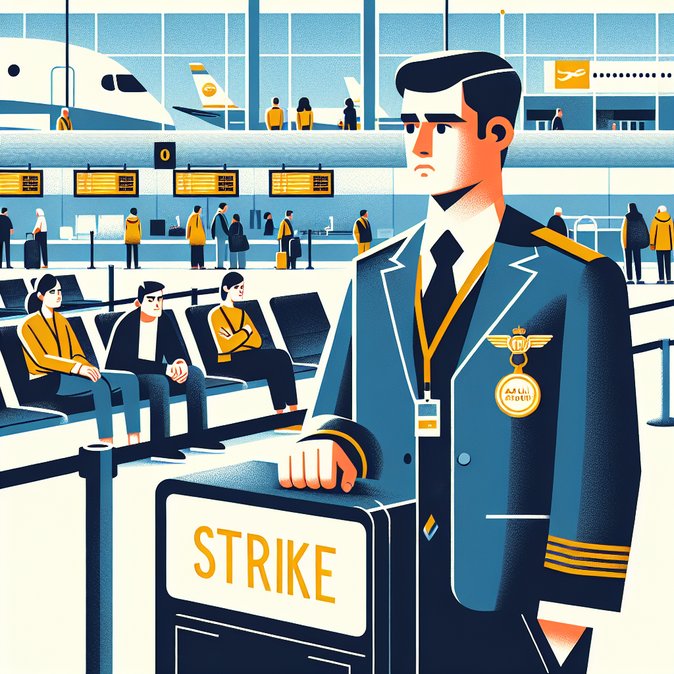
Spain’s newest high-speed rail entrant, Iryo, faces the first major industrial test of its short history as white-collar and maintenance staff walk out over pay and night-work supplements. The CGT-led stoppages span two long-weekend waves—25-27 November and 5-8 December—but the company has now published its contingency plan for the current ‘puente’.
Under an order from the Ministry of Transport, minimum services are set at 73 % of the normal timetable on core Madrid-Barcelona, Madrid-Valencia and Madrid-Seville trunks, and slightly higher on obligatory public-service routes such as Madrid-Zaragoza. Affected passengers can rebook free of charge from 24 November or claim refunds under Iryo’s delay-compensation scheme (50 % for >60-minute delays, 100 % for >90).
![High-Speed Operator Iryo Confirms Services During 5-8 December Rail Strikes, Offers Free Rebooking]()
For mobility managers the rail dispute comes at a sensitive moment: many firms have switched short-haul travel from air to rail to cut emissions and costs. While Renfe and Ouigo are unaffected, capacity on prime business departures before 09:00 and after 17:00 is tight. HR teams moving staff between Madrid and Barcelona for the long weekend should lock in seats quickly or consider flexible airfare options.
The strike also highlights fragmentation in Spain’s liberalised rail market. Unlike state-owned Renfe, Iryo operates under a leaner headcount and has outsourced some back-office roles; unions argue that duplicate night-shift rules create unfair disparities. Negotiations are due to resume on 9 December, but insiders say definitive resolution may slip into 2026.
Travellers are urged to check Iryo’s website and social feeds for real-time updates and to arrive at stations early, as security queues can swell when multiple operators adjust boarding gates at short notice.
Under an order from the Ministry of Transport, minimum services are set at 73 % of the normal timetable on core Madrid-Barcelona, Madrid-Valencia and Madrid-Seville trunks, and slightly higher on obligatory public-service routes such as Madrid-Zaragoza. Affected passengers can rebook free of charge from 24 November or claim refunds under Iryo’s delay-compensation scheme (50 % for >60-minute delays, 100 % for >90).
For mobility managers the rail dispute comes at a sensitive moment: many firms have switched short-haul travel from air to rail to cut emissions and costs. While Renfe and Ouigo are unaffected, capacity on prime business departures before 09:00 and after 17:00 is tight. HR teams moving staff between Madrid and Barcelona for the long weekend should lock in seats quickly or consider flexible airfare options.
The strike also highlights fragmentation in Spain’s liberalised rail market. Unlike state-owned Renfe, Iryo operates under a leaner headcount and has outsourced some back-office roles; unions argue that duplicate night-shift rules create unfair disparities. Negotiations are due to resume on 9 December, but insiders say definitive resolution may slip into 2026.
Travellers are urged to check Iryo’s website and social feeds for real-time updates and to arrive at stations early, as security queues can swell when multiple operators adjust boarding gates at short notice.