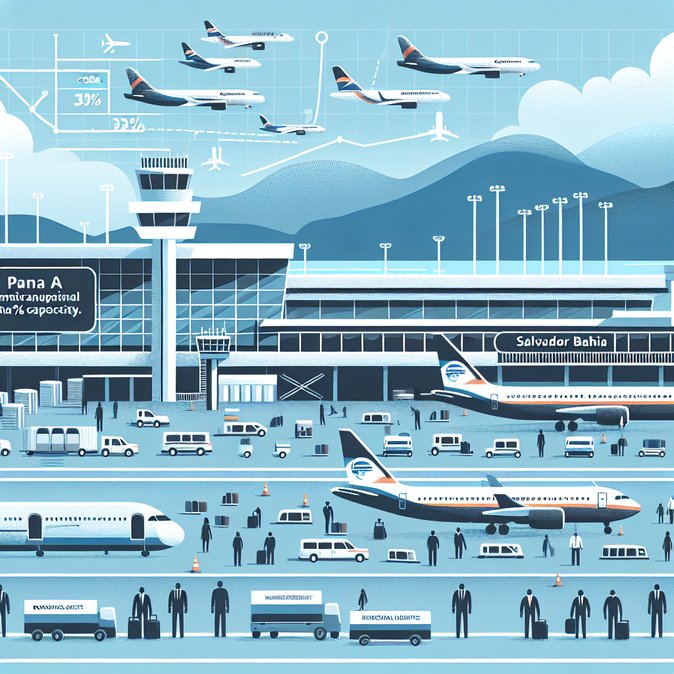
A late-night push-back at São Paulo/Guarulhos on Thursday, 4 December, escalated when a ground-service unit burst into flames next to LATAM flight LA3418 bound for Porto Alegre. The captain aborted take-off, deployed slides and evacuated 169 passengers and crew within minutes; no injuries were reported. Airport firefighters quickly contained the blaze but the Airbus A321 required inspection, forcing LATAM to cancel the rotation and re-accommodate travellers onto a backup aircraft that departed two hours later.
The incident highlights operational pressures during Brazil’s end-of-year travel surge, when GRU handles over 900 aircraft movements on peak days. National civil-aviation regulator ANAC has opened an enquiry into the maintenance history of the third-party ground-handling provider; preliminary findings are due within 30 days and could influence 2026 insurance premiums.
![Ground-Service Vehicle Fire Triggers Emergency Evacuation of LATAM Flight at GRU]()
For multinational employers, the takeaway is contingency planning: schedule buffers, early-morning departures, and clear employee briefings on evacuation procedures. Companies moving high-value cargo via belly-hold should verify whether thermal-damage inspections might delay freight release.
GRU maintains that safety systems “worked exactly as designed,” but unions representing ramp staff warn that chronic overtime and tight turnaround targets increase equipment-failure risks. Mobility managers may wish to revisit duty-of-care assessments for critical December travel.
The incident highlights operational pressures during Brazil’s end-of-year travel surge, when GRU handles over 900 aircraft movements on peak days. National civil-aviation regulator ANAC has opened an enquiry into the maintenance history of the third-party ground-handling provider; preliminary findings are due within 30 days and could influence 2026 insurance premiums.

For multinational employers, the takeaway is contingency planning: schedule buffers, early-morning departures, and clear employee briefings on evacuation procedures. Companies moving high-value cargo via belly-hold should verify whether thermal-damage inspections might delay freight release.
GRU maintains that safety systems “worked exactly as designed,” but unions representing ramp staff warn that chronic overtime and tight turnaround targets increase equipment-failure risks. Mobility managers may wish to revisit duty-of-care assessments for critical December travel.