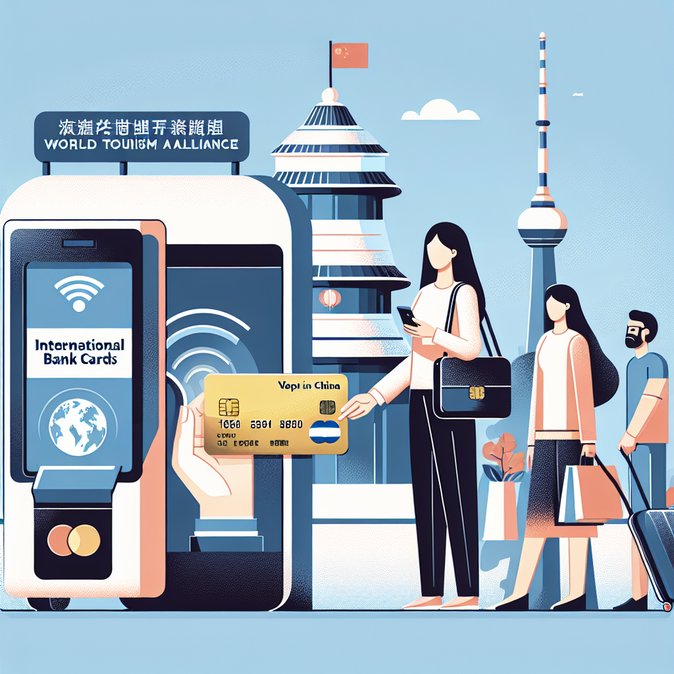
A World Tourism Alliance (WTA) report released on 5 December highlights a rapid shift in how foreign visitors pay for goods and services in China. Card-based and contactless transactions have overtaken cash and QR-code wallet top-ups, reflecting Beijing’s year-long campaign to make international bank cards more widely accepted.
The big picture – According to the WTA, card acceptance at “key merchants” – hotels, museums, restaurants and large retailers – hit 99 percent by September 2024. By mid-2025 that convenience spread to everyday scenarios such as metro rides and small-ticket retail, thanks to upgrades that let overseas Visa, Mastercard and JCB cards ride on local UnionPay rails. Transport was the star performer: tap-to-ride transactions by foreign cardholders jumped 60 percent quarter-on-quarter in early 2025, with Guangzhou reporting triple-digit growth.
![Card payments surge as inbound tourists ‘tap and go’ across China]()
Consumer behaviour is changing in tandem. Inbound spend is shifting from checklist sightseeing to immersive cultural activities – think calligraphy workshops in Hangzhou or Sichuan hot-pot masterclasses in Chengdu. Shopping still tops spending categories, up nearly 90 percent in value, but the increase stems more from a broader user base than from higher per-card outlays, indicating that China is attracting first-time or lower-budget travellers.
Why it matters for corporates – Multinational firms resuming rotation of expats into China will find everyday living easier: newly arrived staff can now link foreign cards to Alipay or WeChat Pay, bypassing the need for a local bank account. Conference organisers can also expect smoother reimbursement workflows as card receipts become the norm. Payment giants are seizing the opportunity; Mastercard said this week that 60 percent of overseas visitors in Beijing now use tap-to-ride on public transit.
Next steps – Industry insiders expect People’s Bank of China to issue final technical specs for full EMV contactless acceptance across tier-3 cities before Golden Week 2026, plugging the remaining gaps. Meanwhile, WeChat Pay continues to waive the 3 percent service fee on foreign-card purchases under RMB 200 until at least mid-2026, an incentive travel planners can pass on to clients.
The big picture – According to the WTA, card acceptance at “key merchants” – hotels, museums, restaurants and large retailers – hit 99 percent by September 2024. By mid-2025 that convenience spread to everyday scenarios such as metro rides and small-ticket retail, thanks to upgrades that let overseas Visa, Mastercard and JCB cards ride on local UnionPay rails. Transport was the star performer: tap-to-ride transactions by foreign cardholders jumped 60 percent quarter-on-quarter in early 2025, with Guangzhou reporting triple-digit growth.

Consumer behaviour is changing in tandem. Inbound spend is shifting from checklist sightseeing to immersive cultural activities – think calligraphy workshops in Hangzhou or Sichuan hot-pot masterclasses in Chengdu. Shopping still tops spending categories, up nearly 90 percent in value, but the increase stems more from a broader user base than from higher per-card outlays, indicating that China is attracting first-time or lower-budget travellers.
Why it matters for corporates – Multinational firms resuming rotation of expats into China will find everyday living easier: newly arrived staff can now link foreign cards to Alipay or WeChat Pay, bypassing the need for a local bank account. Conference organisers can also expect smoother reimbursement workflows as card receipts become the norm. Payment giants are seizing the opportunity; Mastercard said this week that 60 percent of overseas visitors in Beijing now use tap-to-ride on public transit.
Next steps – Industry insiders expect People’s Bank of China to issue final technical specs for full EMV contactless acceptance across tier-3 cities before Golden Week 2026, plugging the remaining gaps. Meanwhile, WeChat Pay continues to waive the 3 percent service fee on foreign-card purchases under RMB 200 until at least mid-2026, an incentive travel planners can pass on to clients.