Crown World Mobility’s 4 December weekly bulletin shines a spotlight on Ireland’s most significant migration policy overhaul in more than a decade. According to the update, the Irish Cabinet has endorsed Minister for Justice Jim O’Callaghan’s package of measures aimed at making the system “rules-based, efficient and aligned with EU standards.” Although many proposals were leaked late last month, the bulletin is the first practitioner summary to set out the full scope and likely implementation timeline, giving global mobility teams the clarity they need to plan 2026 assignments.
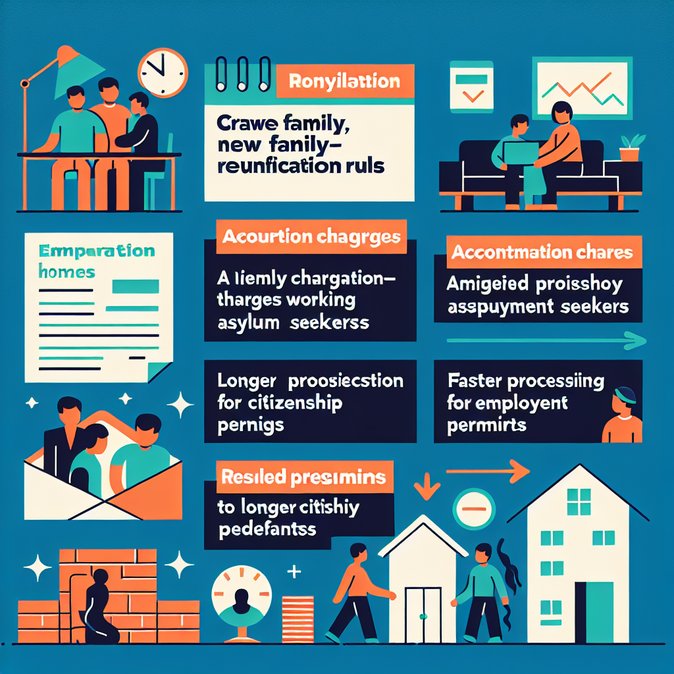
Key changes include: (1) tighter family-reunification criteria that require sponsors to demonstrate sufficient income and accommodation; (2) mandatory accommodation contributions of up to 40 % of net pay for international-protection applicants who are working; (3) new powers to revoke refugee status if an individual poses a security risk or commits a serious offence; (4) a rise in the residence requirement for citizenship—from three to five years—for people granted protection and fresh “good-character” and self-sufficiency tests; and (5) employment-permit tweaks allowing 16- to 18-year-olds to work and shortening waiting times for General Employment Permit holders to change employer. The government aims to legislate within 12 months.
![Weekly mobility update highlights sweeping Irish immigration reforms approved by Cabinet]()
Context: Ireland has grappled with accommodation shortages and processing backlogs as asylum numbers surged in 2022–2023. Business leaders feared that a political backlash might spill over into the work-permit system. The Cabinet’s reforms try to strike a balance: deter misuse of the asylum route while preserving the State’s attractiveness for talent. By decoupling family reunification from automatic entitlement and by adding financial thresholds, officials hope to curb secondary movements from other EU states.
Implications for employers: Companies should expect stricter document checks when sponsoring dependants and may need to budget for higher minimum salaries or proof-of-resources thresholds. The promise to speed up permit-transfer applications is positive for multinationals that need to redeploy staff within Ireland. Mobility managers should review internal policies on accommodation allowances—any worker living in State-provided housing could soon face payroll deductions. The longer citizenship timeline may also affect retention strategies for long-term assignees who plan to naturalise.
Next steps: Draft legislation is being prepared and will undergo committee scrutiny early in 2026. Stakeholders—including tech and pharma employers—are expected to lobby hard to keep income thresholds realistic. HR teams should monitor the Department of Justice website for consultations and be ready to update assignee handbooks once the final rules are published.
Key changes include: (1) tighter family-reunification criteria that require sponsors to demonstrate sufficient income and accommodation; (2) mandatory accommodation contributions of up to 40 % of net pay for international-protection applicants who are working; (3) new powers to revoke refugee status if an individual poses a security risk or commits a serious offence; (4) a rise in the residence requirement for citizenship—from three to five years—for people granted protection and fresh “good-character” and self-sufficiency tests; and (5) employment-permit tweaks allowing 16- to 18-year-olds to work and shortening waiting times for General Employment Permit holders to change employer. The government aims to legislate within 12 months.

Context: Ireland has grappled with accommodation shortages and processing backlogs as asylum numbers surged in 2022–2023. Business leaders feared that a political backlash might spill over into the work-permit system. The Cabinet’s reforms try to strike a balance: deter misuse of the asylum route while preserving the State’s attractiveness for talent. By decoupling family reunification from automatic entitlement and by adding financial thresholds, officials hope to curb secondary movements from other EU states.
Implications for employers: Companies should expect stricter document checks when sponsoring dependants and may need to budget for higher minimum salaries or proof-of-resources thresholds. The promise to speed up permit-transfer applications is positive for multinationals that need to redeploy staff within Ireland. Mobility managers should review internal policies on accommodation allowances—any worker living in State-provided housing could soon face payroll deductions. The longer citizenship timeline may also affect retention strategies for long-term assignees who plan to naturalise.
Next steps: Draft legislation is being prepared and will undergo committee scrutiny early in 2026. Stakeholders—including tech and pharma employers—are expected to lobby hard to keep income thresholds realistic. HR teams should monitor the Department of Justice website for consultations and be ready to update assignee handbooks once the final rules are published.
More From Ireland
View all
€2.18 billion Justice Sector plan earmarks €281 m for immigration modernisation and State-owned accommodation

Ireland Against Racism Fund awards €1.5 m to 37 projects supporting migrant integration and employability
