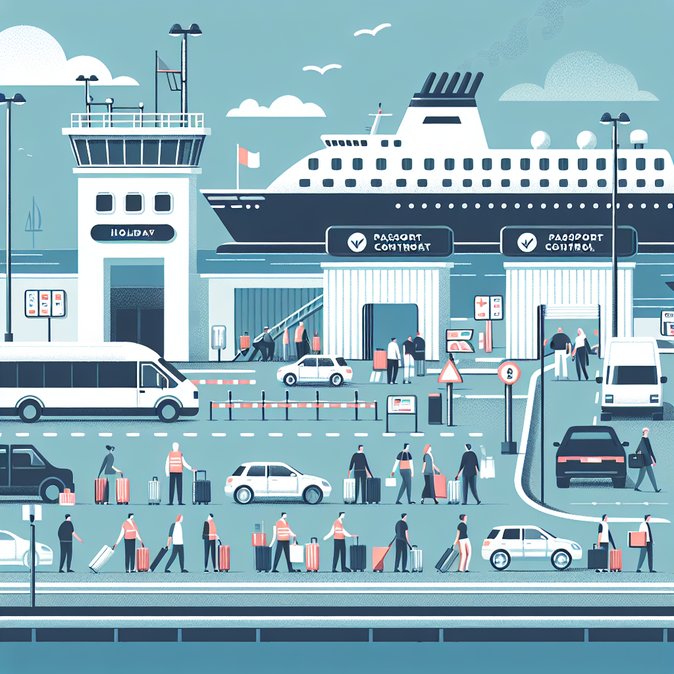
A 48-hour strike called by the French air-traffic-controllers’ union UNSA-ICNA began at midnight on 3 December, forcing airlines to cancel 65 Spain-France operations by 13:00. The walk-out affects roughly 41 % of the 157 scheduled flights during the morning wave and is expected to ripple through evening rotations. Spanish airports most impacted are Barcelona-El Prat, Madrid-Barajas and Bilbao, where airlines have proactively trimmed services to comply with France’s minimum-service decree.
Iberia, Vueling and Air Europa have issued travel-waiver policies allowing free date changes or refunds for passengers booked 3–4 December. Low-cost carrier Volotea has shifted some Bordeaux and Nantes rotations to daytime slots outside peak French staffing gaps, but advises passengers to check notifications. Airport operator AENA reports that knock-on delays may continue into Friday as aircraft and crews fall out of position. Business travellers with onward long-haul connections through Paris CDG and Lyon are urged to re-route via alternative hubs (Lisbon, Zurich, Frankfurt) where capacity remains stable.
![French Air-Traffic-Controller Strike Forces Cancellation of 65 Flights to and from Spain]()
For mobility managers, the disruption is a reminder that industrial action outside Spain can have immediate domestic consequences because European airspace is highly integrated. Companies should ensure their travel-management companies have real-time monitoring feeds and pre-agreed re-booking authorities when over-flight restrictions in neighbouring states cascade into Spanish schedules.
Insurance specialists add that many corporate travel-policies classify ATC strikes as ‘extraordinary circumstances’; while airlines must offer duty-of-care assistance, they are not obliged to pay statutory EU261 compensation. Firms should brief staff accordingly.
Outlook: UNSA-ICNA warns of additional stoppages over staffing levels during the Christmas period if talks with the French DGAC do not progress—suggesting further spill-over risk for Spanish operations later in the month.
Iberia, Vueling and Air Europa have issued travel-waiver policies allowing free date changes or refunds for passengers booked 3–4 December. Low-cost carrier Volotea has shifted some Bordeaux and Nantes rotations to daytime slots outside peak French staffing gaps, but advises passengers to check notifications. Airport operator AENA reports that knock-on delays may continue into Friday as aircraft and crews fall out of position. Business travellers with onward long-haul connections through Paris CDG and Lyon are urged to re-route via alternative hubs (Lisbon, Zurich, Frankfurt) where capacity remains stable.

For mobility managers, the disruption is a reminder that industrial action outside Spain can have immediate domestic consequences because European airspace is highly integrated. Companies should ensure their travel-management companies have real-time monitoring feeds and pre-agreed re-booking authorities when over-flight restrictions in neighbouring states cascade into Spanish schedules.
Insurance specialists add that many corporate travel-policies classify ATC strikes as ‘extraordinary circumstances’; while airlines must offer duty-of-care assistance, they are not obliged to pay statutory EU261 compensation. Firms should brief staff accordingly.
Outlook: UNSA-ICNA warns of additional stoppages over staffing levels during the Christmas period if talks with the French DGAC do not progress—suggesting further spill-over risk for Spanish operations later in the month.