In a move watched closely by meat-exporters and agri-logistics providers, the state of Pará has postponed its mandatory cattle-traceability timeline by almost five years. Under rules approved in 2023, ranchers had until 1 January 2026 to tag the Amazon region’s 26 million head of cattle and until 2027 to ensure full digital traceability before animals could be moved or sold. Citing cost and technical hurdles, producer lobbies convinced the state government to push the final compliance date back to 31 December 2030.
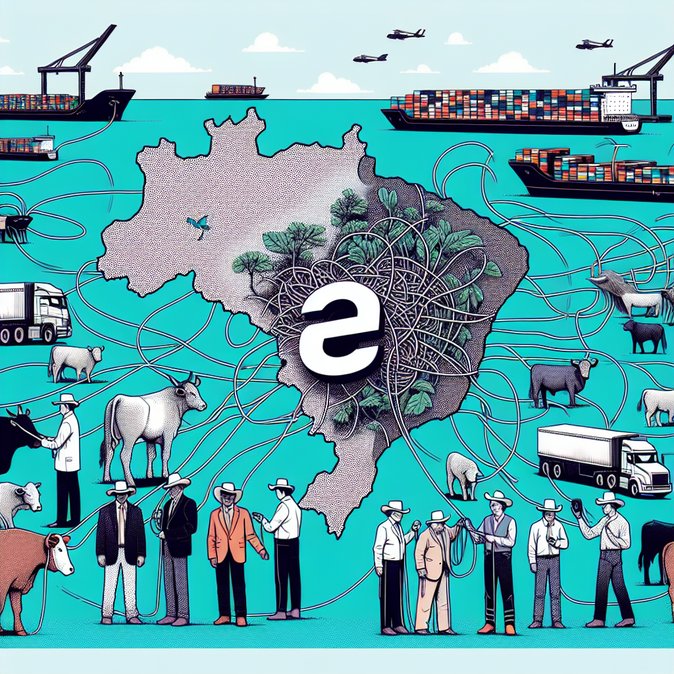
The delay matters for global mobility because Pará sits on major river-and-road corridors that funnel live cattle and beef from the rainforest to export abattoirs in São Paulo and to ports serving the Middle East and China. Without uniform e-ear-tags and digital Guia de Trânsito Animal (GTA) certificates, border inspectors in neighbouring states can—and often do—quarantine shipments, causing multi-day holdups for refrigerated trucks and livestock hauliers.
![Pará pushes cattle-tracking deadline to 2030, complicating livestock transport planning]()
Environmental NGOs condemned the decision, warning it weakens Brazil’s credibility ahead of COP30 in Belém next year. Yet freight forwarders say the postponement at least gives small ranchers and transporters more time to upgrade handheld scanners, satellite links and SAP interfaces needed to upload data to the federal SICAR system.
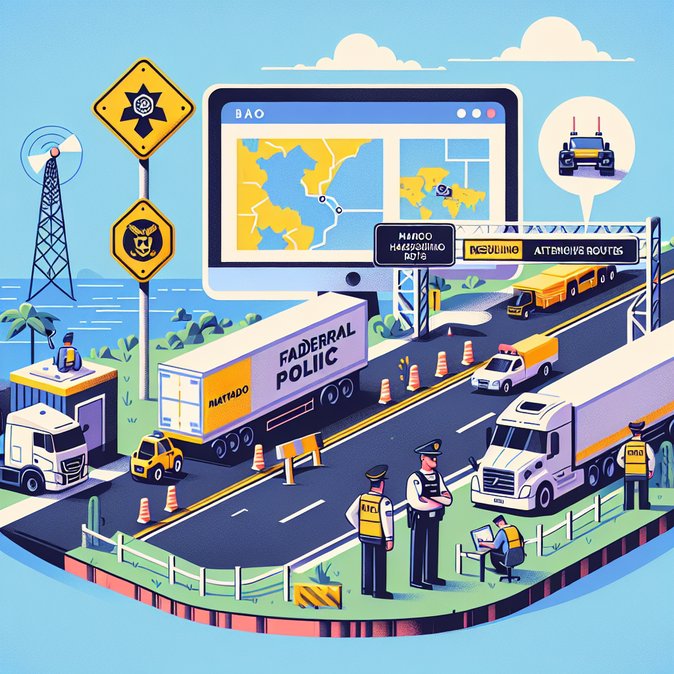
National rules still require full traceability by 2033, and major beef-packing multinationals such as JBS and Marfrig have indicated they will keep their own 2027 deadlines in place for supplier ranches to avoid losing access to EU and UK markets. Mobility managers arranging cross-state or cross-border livestock movements should therefore track dual-compliance calendars—state and corporate—and budget for possible document checks at the Pará–Mato Grosso border, where PRF and MAPA joint task-forces have stepped up spot inspections.
Practically, logistics planners should build 24- to 48-hour buffers into trucking schedules, ensure drivers carry both physical and digital GTAs, and verify that third-party ranches are registering animals even if the legal stick has been postponed. Failure to do so could see fleets stranded at checkpoints, incurring fines of R$ 5,000 per head and jeopardising export certificates for entire consignments.
The delay matters for global mobility because Pará sits on major river-and-road corridors that funnel live cattle and beef from the rainforest to export abattoirs in São Paulo and to ports serving the Middle East and China. Without uniform e-ear-tags and digital Guia de Trânsito Animal (GTA) certificates, border inspectors in neighbouring states can—and often do—quarantine shipments, causing multi-day holdups for refrigerated trucks and livestock hauliers.

Environmental NGOs condemned the decision, warning it weakens Brazil’s credibility ahead of COP30 in Belém next year. Yet freight forwarders say the postponement at least gives small ranchers and transporters more time to upgrade handheld scanners, satellite links and SAP interfaces needed to upload data to the federal SICAR system.
National rules still require full traceability by 2033, and major beef-packing multinationals such as JBS and Marfrig have indicated they will keep their own 2027 deadlines in place for supplier ranches to avoid losing access to EU and UK markets. Mobility managers arranging cross-state or cross-border livestock movements should therefore track dual-compliance calendars—state and corporate—and budget for possible document checks at the Pará–Mato Grosso border, where PRF and MAPA joint task-forces have stepped up spot inspections.
Practically, logistics planners should build 24- to 48-hour buffers into trucking schedules, ensure drivers carry both physical and digital GTAs, and verify that third-party ranches are registering animals even if the legal stick has been postponed. Failure to do so could see fleets stranded at checkpoints, incurring fines of R$ 5,000 per head and jeopardising export certificates for entire consignments.