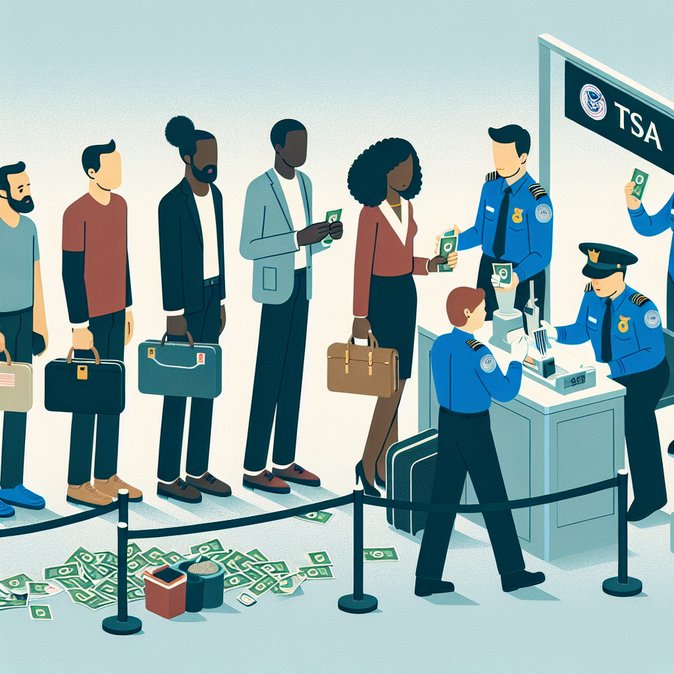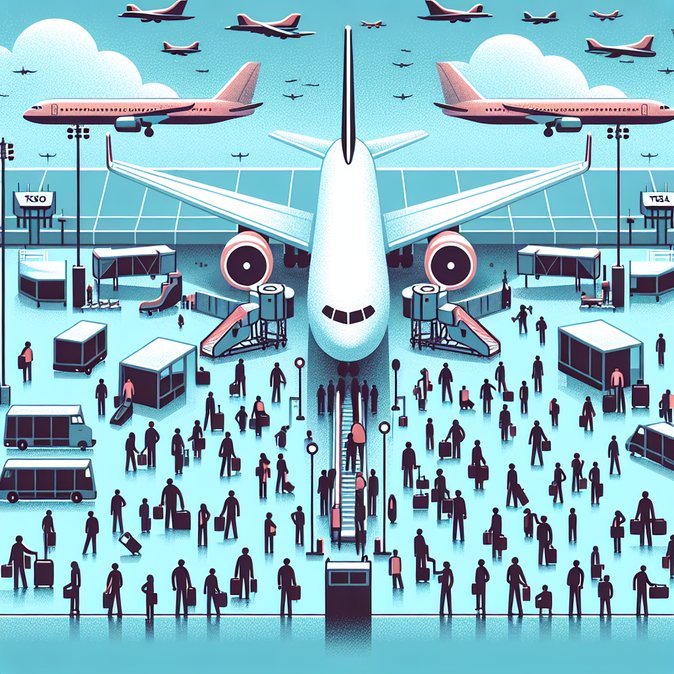
The Transportation Security Administration (TSA) confirmed that Sunday, November 30 saw 3.13 million people pass through U.S. airport checkpoints—the busiest single travel day in American aviation history. The milestone capped an 11-day Thanksgiving period during which Airlines for America estimates U.S. carriers handled roughly 31 million travelers. Airlines also operated more than 360,000 flights over the nine days ending December 2, the Federal Aviation Administration said, marking the heaviest traffic volume in 15 years.
Several factors converged to drive the surge. Pent-up leisure demand remains robust, corporate travel has ticked up on the back of a stronger economy, and an expanded TSA workforce—now nearly 60,000—has helped airports process larger crowds with fewer delays. Infrastructure upgrades, including additional computed-tomography scanners and credential-authentication machines, allowed most passengers to clear security in under 10 minutes at major hubs despite Midwestern weather disruptions.
![Thanksgiving Travel Peaks as TSA Screens Record-High 3.13 Million Passengers in One Day]()
For mobility managers, the record underscores two trends: first, that U.S. domestic and inbound air traffic has fully rebounded and then some; second, that peak-period congestion now routinely tops pre-pandemic highs. Companies should anticipate longer queue times for employee travelers around all major U.S. holidays and build extra buffers into flight schedules, especially for tightly choreographed project deployments or back-to-back client meetings. Travel managers may also wish to revisit memberships in trusted-traveler programs such as TSA PreCheck or CLEAR to keep executives moving.
The surge coincided with a mandated Airbus A320 software retrofit prompted by a vulnerability to solar flares; JetBlue alone cancelled 20 flights on Monday while completing updates. Although the retrofit is temporary, it reminds global-mobility teams that technical requirements downstream from the immigration desk—aircraft safety directives, airport staffing levels, weather events—can quickly ripple into assignment timelines.
Several factors converged to drive the surge. Pent-up leisure demand remains robust, corporate travel has ticked up on the back of a stronger economy, and an expanded TSA workforce—now nearly 60,000—has helped airports process larger crowds with fewer delays. Infrastructure upgrades, including additional computed-tomography scanners and credential-authentication machines, allowed most passengers to clear security in under 10 minutes at major hubs despite Midwestern weather disruptions.
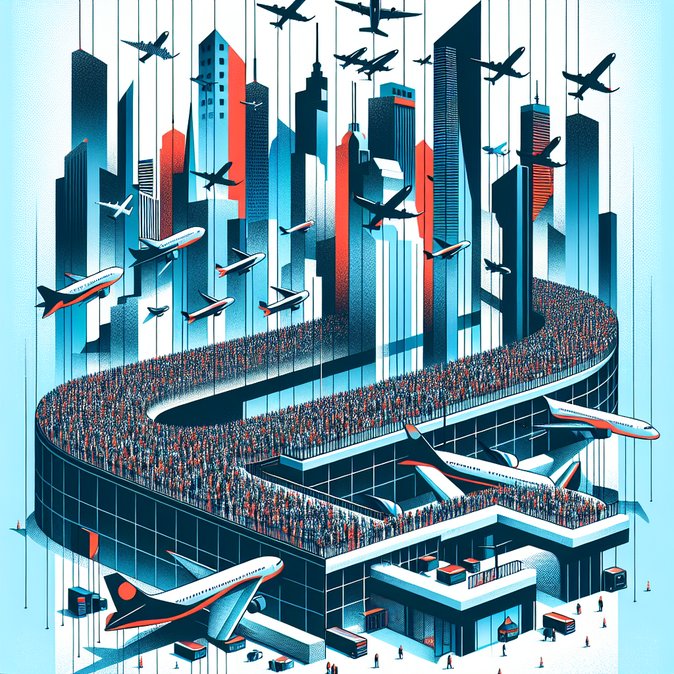
For mobility managers, the record underscores two trends: first, that U.S. domestic and inbound air traffic has fully rebounded and then some; second, that peak-period congestion now routinely tops pre-pandemic highs. Companies should anticipate longer queue times for employee travelers around all major U.S. holidays and build extra buffers into flight schedules, especially for tightly choreographed project deployments or back-to-back client meetings. Travel managers may also wish to revisit memberships in trusted-traveler programs such as TSA PreCheck or CLEAR to keep executives moving.
The surge coincided with a mandated Airbus A320 software retrofit prompted by a vulnerability to solar flares; JetBlue alone cancelled 20 flights on Monday while completing updates. Although the retrofit is temporary, it reminds global-mobility teams that technical requirements downstream from the immigration desk—aircraft safety directives, airport staffing levels, weather events—can quickly ripple into assignment timelines.