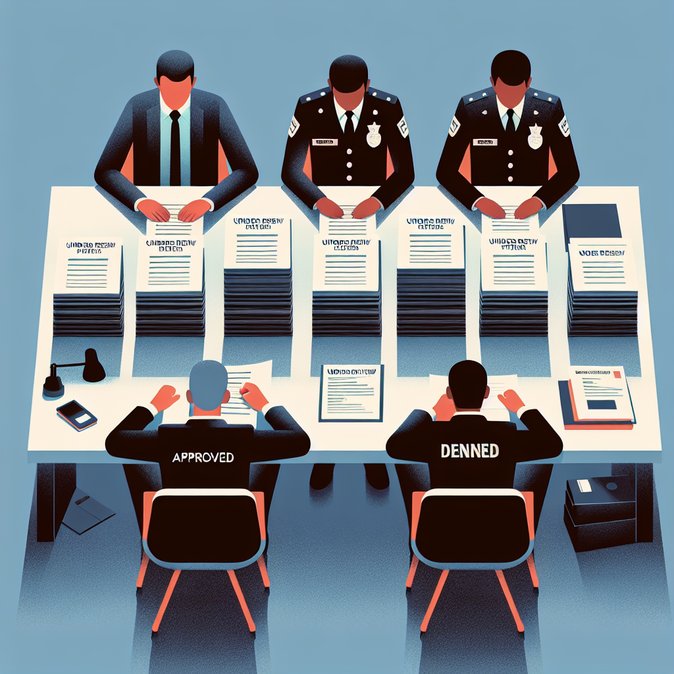
Speaking to Bloomberg Law, immigration attorney K. Edward Raleigh confirmed that the U.S. Department of Labor (DOL) has launched “Project Firewall,” authorizing secretary-certified investigations that proactively audit H-1B employers rather than relying solely on worker complaints. The initiative, unveiled December 2, gives DOL’s Wage and Hour Division broader latitude to examine payroll records, client contracts and work-site conditions across an employer’s entire H-1B population.
Historically, the agency opened full investigations only when whistle-blowers alleged specific violations. Under Project Firewall, DOL can initiate a review whenever it finds industry-wide red flags—such as high ratios of H-1B workers to U.S. staff or persistent Level 1 wage filings. The shift dovetails with other administration efforts, including September’s presidential proclamation restricting H-1B entries unless petitions carry a $100,000 supplemental fee.
![Labor Department’s ‘Project Firewall’ Expands H-1B Oversight Beyond Complaint-Based Investigations]()
For corporations, the message is clear: compliance programs that merely “check the box” are no longer enough. Employers should prepare for unannounced document requests covering all H-1B personnel, third-party placement agreements and evidence of bona fide specialized-occupation duties. Penalties for violations range from back-wage orders and debarment to referral to USCIS for petition revocation.
Mobility leaders are advised to conduct internal self-audits, ensure Public Access Files are up to date and confirm that actual wage payments match Labor Condition Applications. Staffing companies and IT consultancies—long targets of enforcement—face the greatest exposure, but multinationals in finance, healthcare and engineering should also review vendor relationships to confirm downstream compliance.
Historically, the agency opened full investigations only when whistle-blowers alleged specific violations. Under Project Firewall, DOL can initiate a review whenever it finds industry-wide red flags—such as high ratios of H-1B workers to U.S. staff or persistent Level 1 wage filings. The shift dovetails with other administration efforts, including September’s presidential proclamation restricting H-1B entries unless petitions carry a $100,000 supplemental fee.

For corporations, the message is clear: compliance programs that merely “check the box” are no longer enough. Employers should prepare for unannounced document requests covering all H-1B personnel, third-party placement agreements and evidence of bona fide specialized-occupation duties. Penalties for violations range from back-wage orders and debarment to referral to USCIS for petition revocation.
Mobility leaders are advised to conduct internal self-audits, ensure Public Access Files are up to date and confirm that actual wage payments match Labor Condition Applications. Staffing companies and IT consultancies—long targets of enforcement—face the greatest exposure, but multinationals in finance, healthcare and engineering should also review vendor relationships to confirm downstream compliance.