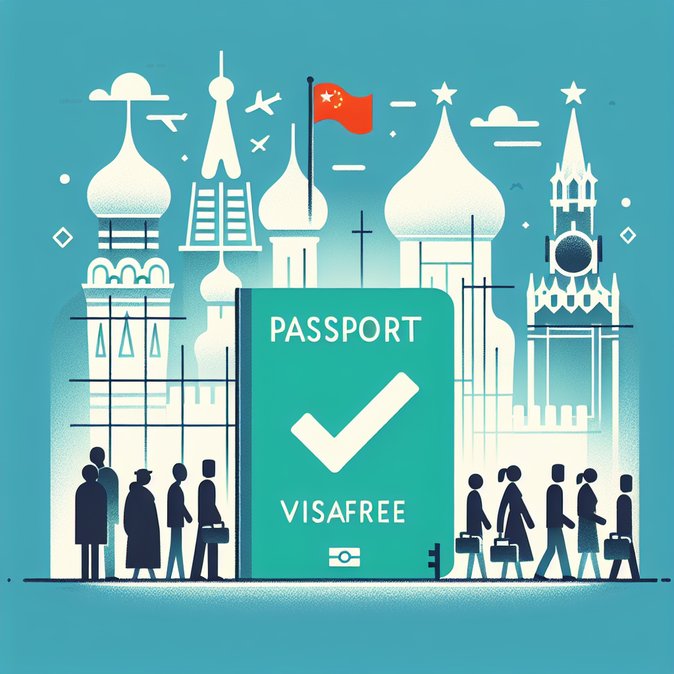
In the most significant expansion of China–Russia people-to-people mobility in decades, Russian President Vladimir Putin has signed a decree granting holders of ordinary Chinese passports visa-free entry for up to 30 days between 1 December 2025 and 14 September 2026. The exemption covers tourism, business, scientific, cultural, socio-political, economic and sports visits, and even allows Chinese travelers to transit through Russian territory without a visa.
The announcement crowns a year of rapid visa liberalisation between Beijing and Moscow. China already began trialling reciprocal visa-free entry for Russians on 15 September 2025, part of a wider push by Beijing to reboot inbound and outbound travel. By removing the need to apply for a Russian tourist or business visa—which previously required biometrics, invitation letters and fees—Chinese residents can now book last-minute trips or attend trade fairs with far less lead time.
![Russia Opens 30-Day Visa-Free Entry for Chinese Citizens Until 2026]()
For multinational companies, the decree simplifies cross-border staff rotations, tech-support visits and factory acceptance tests between the two markets. Russian regions such as Moscow, St Petersburg, Vladivostok and the Arctic port of Murmansk are positioning themselves to capture new Chinese tourist flows, while e-commerce platforms expect a bump in demand for Russia-origin goods.
Practical tips: Chinese travelers must still carry proof of onward travel and accommodation and should be prepared for routine invitation checks at Russian border posts. Corporate travel managers should update employee mobility policies to reflect visa-free eligibility and remind staff that work, study or stays beyond 30 days still require the appropriate visas.
The announcement crowns a year of rapid visa liberalisation between Beijing and Moscow. China already began trialling reciprocal visa-free entry for Russians on 15 September 2025, part of a wider push by Beijing to reboot inbound and outbound travel. By removing the need to apply for a Russian tourist or business visa—which previously required biometrics, invitation letters and fees—Chinese residents can now book last-minute trips or attend trade fairs with far less lead time.

For multinational companies, the decree simplifies cross-border staff rotations, tech-support visits and factory acceptance tests between the two markets. Russian regions such as Moscow, St Petersburg, Vladivostok and the Arctic port of Murmansk are positioning themselves to capture new Chinese tourist flows, while e-commerce platforms expect a bump in demand for Russia-origin goods.
Practical tips: Chinese travelers must still carry proof of onward travel and accommodation and should be prepared for routine invitation checks at Russian border posts. Corporate travel managers should update employee mobility policies to reflect visa-free eligibility and remind staff that work, study or stays beyond 30 days still require the appropriate visas.